Securing sensitive documents is essential in any office or home workspace. Whether it’s confidential client files, personal records, or financial documents, protecting them from unauthorized access is a top priority. One of the simplest ways to do this is with a filing cabinet lock.
But with multiple options available, choosing the right one can be confusing. Two of the most popular choices are keyed locks and combination locks. In this article, we’ll break down how each type works and help you decide which is best for your needs.
Understanding Filing Cabinet Locks
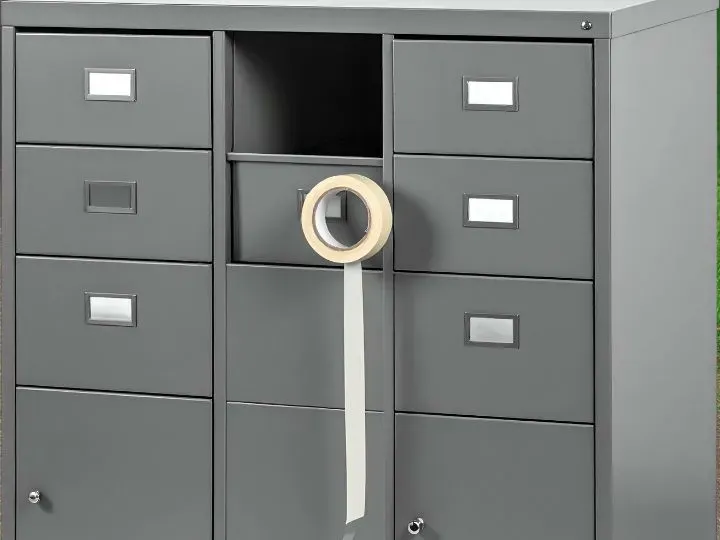
Filing cabinet locks are designed to keep your documents safe by restricting access to only authorized users. They are most commonly found on metal or wooden filing cabinets, though some are built into newer office furniture. The two primary types are keyed locks, which require a physical key to open, and combination locks, which use a numeric code.
While both lock types serve the same purpose of protecting your files, their mechanisms and usability vary. Understanding these differences is crucial for choosing the right security solution for your office or home.
Keyed Filing Cabinet Locks
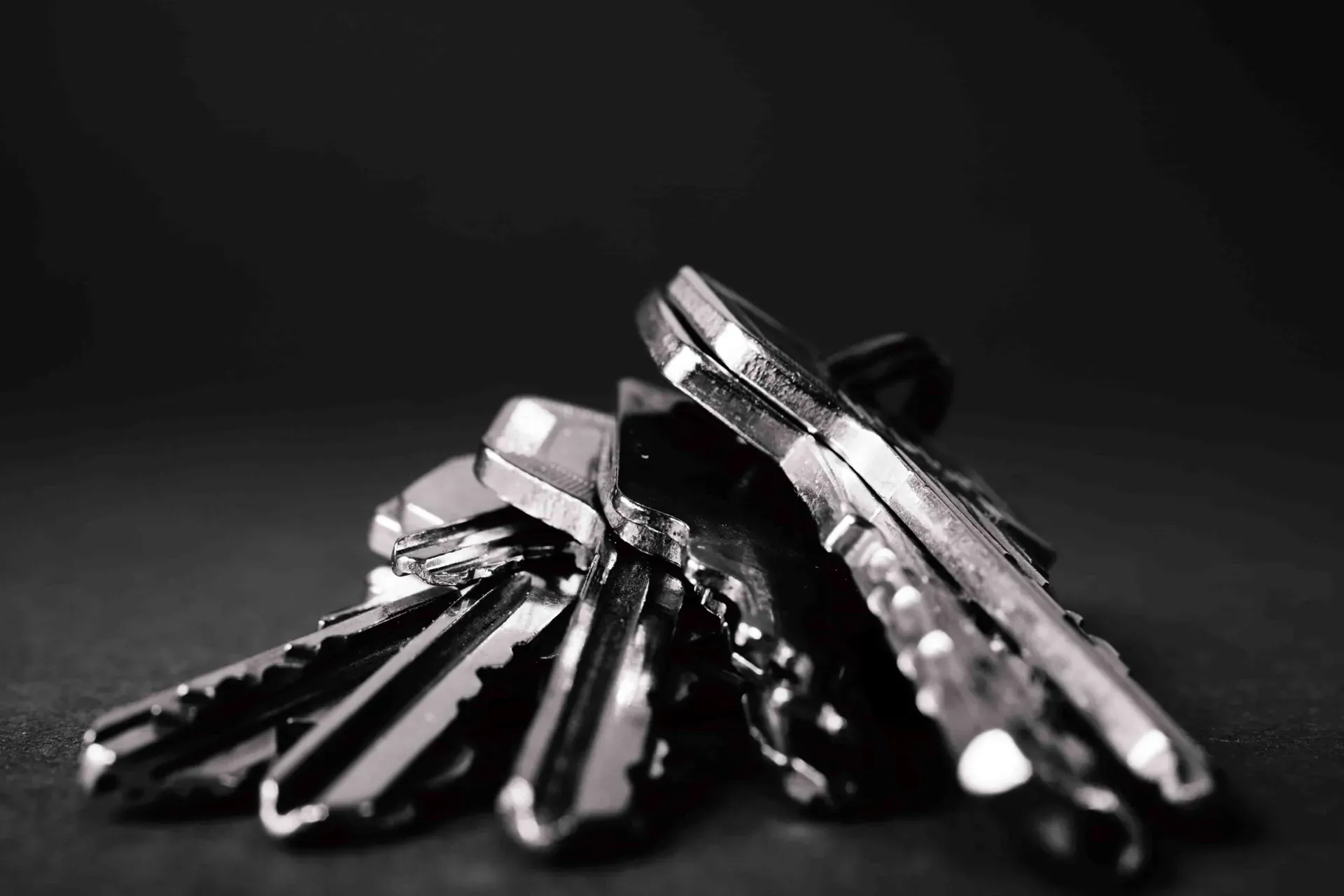
Keyed filing cabinet locks are among the oldest and most widely used options. They work by inserting a physical key into the lock cylinder to engage or disengage the locking mechanism.
Advantages of keyed locks include:
- Simplicity: There’s no code to remember. Just turn the key.
- Durability: Built with sturdy materials, keyed locks resist wear and tear.
- Reliability: When maintained properly, keyed locks have minimal mechanical issues.
However, there are some disadvantages to consider:
- Lost or stolen keys: Losing a key compromises security and may require replacement locks.
- Key management: In offices with multiple cabinets, keeping track of numerous keys can be cumbersome.
- Duplication risks: Unauthorized copies of keys can create security concerns.
Keyed locks are best for small offices or personal filing systems where a single user needs secure, straightforward access. They are ideal if you prefer a mechanical lock solution that doesn’t rely on remembering codes.
Combination Filing Cabinet Locks
Combination locks operate without a key, relying instead on a numeric code. They can be dial-based, push-button, or digital keypad locks. Users enter the code to unlock the cabinet, making them convenient for shared access.
Advantages of combination locks include:
- Keyless access: There’s no physical key to carry, lose, or duplicate.
- Shareable access: Multiple users can access the cabinet without distributing keys.
- Reduced risk of lost keys: No need to replace lost or stolen keys.
Some drawbacks to keep in mind are:
- Forgotten codes: Users must remember the combination, which may require a reset process.
- Tampering risks: Some lower-quality combination locks may be easier to manipulate.
- Complex installation: Setting or troubleshooting a combination lock code can take more effort than a simple keyed lock.
Combination locks are best for shared offices, workplaces with high staff turnover, or anyone who wants keyless convenience. They are particularly helpful when multiple people need access without the hassle of distributing keys.
Comparing Keyed and Combination Locks
Choosing between keyed and combination locks depends on your priorities. Here’s how the two stack up:
- Security: High-quality keyed locks are resistant to tampering, but lost keys can compromise safety. Combination locks eliminate the risk of lost keys but may be vulnerable if someone observes the code.
- Convenience: Keyed locks are simple for individual use, while combination locks excel in shared environments.
- Cost: Keyed locks generally cost less upfront. Combination locks may cost more initially, but they save money on key duplication and replacements over time.
- Durability: Keyed locks are mechanical and long-lasting. Combination locks, especially electronic models, may require occasional maintenance or battery changes.
- Best Use: Keyed locks work well for personal cabinets or small offices. Combination locks are ideal for shared offices or multi-user access.
Factors to Consider Before Choosing
Before making a decision, consider these key factors:
- Frequency of access: If you access the cabinet daily, a combination lock may be more convenient. Occasional use may be fine with a keyed lock.
- Number of users: Multiple people needing access often favors combination locks over keyed locks.
- Sensitivity of documents: Extremely sensitive information may benefit from the added security of a high-quality keyed lock.
- Office setup: Shared offices or coworking spaces may require keyless access to avoid distributing multiple keys.
- Budget: Keyed locks are usually cheaper upfront, while combination locks may save money on key replacements over time.
If you’re unsure which option is best for your setup, consulting a locksmith in Rockland can help you evaluate your needs and recommend the most secure and practical solution.
Conclusion
Both keyed and combination filing cabinet locks have unique advantages, and the “best” choice ultimately depends on your specific needs. Keyed locks offer simplicity, durability, and traditional security, making them ideal for single-user cabinets or smaller offices. Combination locks provide keyless convenience, easy sharing, and a modern design, which works well in shared environments or offices with multiple users.
When deciding, evaluate your filing habits, the number of users, and the sensitivity of your documents. Investing in the right lock ensures your files remain safe and your workspace stays organized.
For professional installation, replacement, or advice on filing cabinet locks, Driscoll’s Lock & Key is here to help. Our team can guide you in choosing the perfect lock system to meet your security needs, whether keyed or combination.
Frequently Asked Questions
Are keyed or combination filing cabinet locks more secure?
Both can provide effective security when properly installed. The better choice depends on the lock quality, who needs access, and how the cabinet is used.
Can a filing cabinet lock be replaced with a different type?
In many cases, a filing cabinet can be fitted with a different lock, but compatibility depends on the cabinet’s design and existing hardware.
What should I do if I lose the key to my filing cabinet?
A locksmith may be able to unlock the cabinet and provide a replacement key or install a new lock, depending on the type of cabinet and lock.
Do combination filing cabinet locks need batteries?
Not all combination locks use batteries. Mechanical combination locks do not require power, while electronic or digital models may use batteries.
Can a locksmith install a filing cabinet lock?
Yes. A locksmith can help with filing cabinet lock installation, replacement, and other lock-related issues, including determining which type is compatible with your cabinet.