When the power goes out, security concerns often intensify. Homeowners and business owners find themselves questioning whether their locking systems will continue to protect their properties during electrical failures. The choice between electronic and mechanical locks becomes particularly critical when considering power outage scenarios, as each technology responds differently to the loss of electrical power.
Understanding Lock Technologies
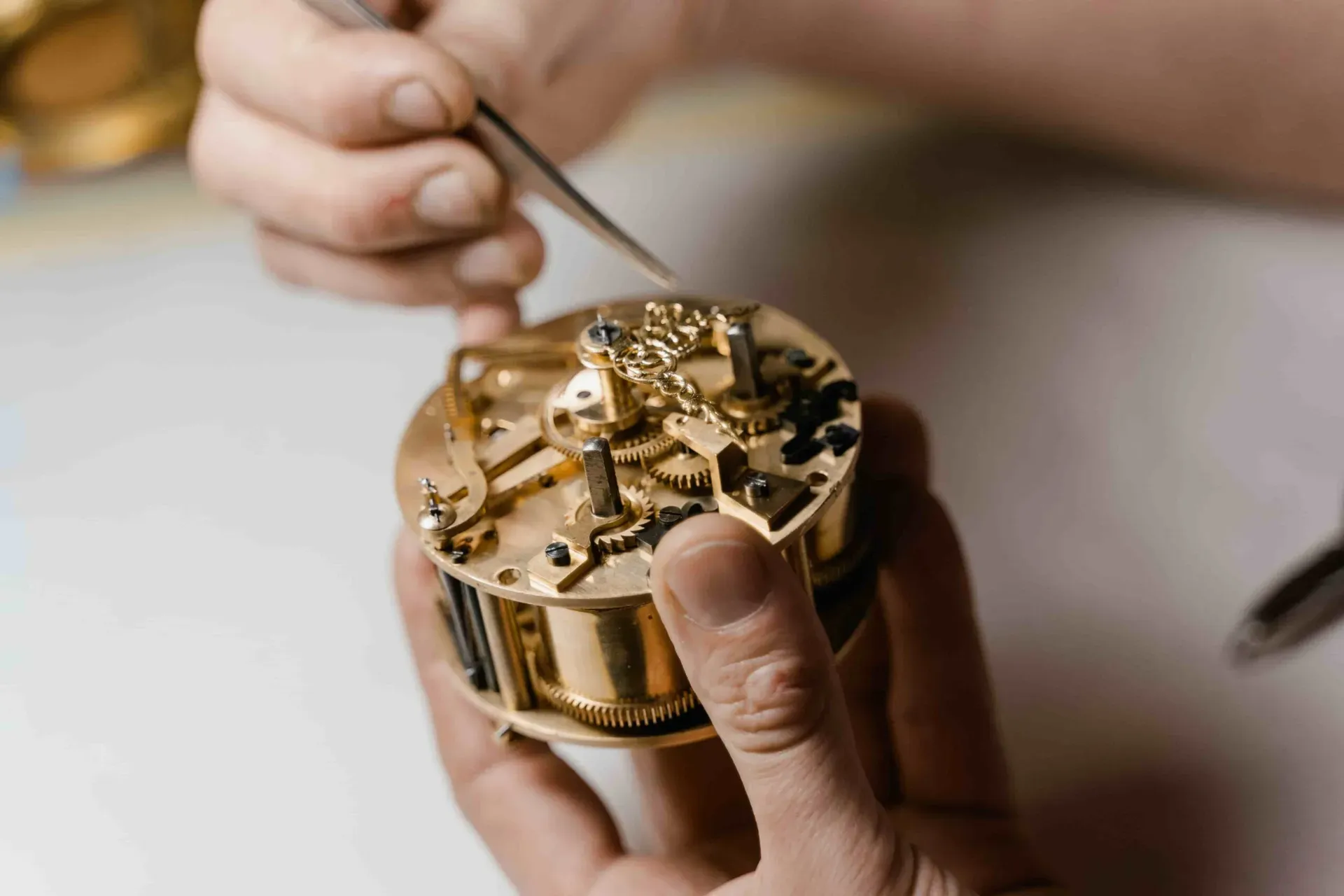
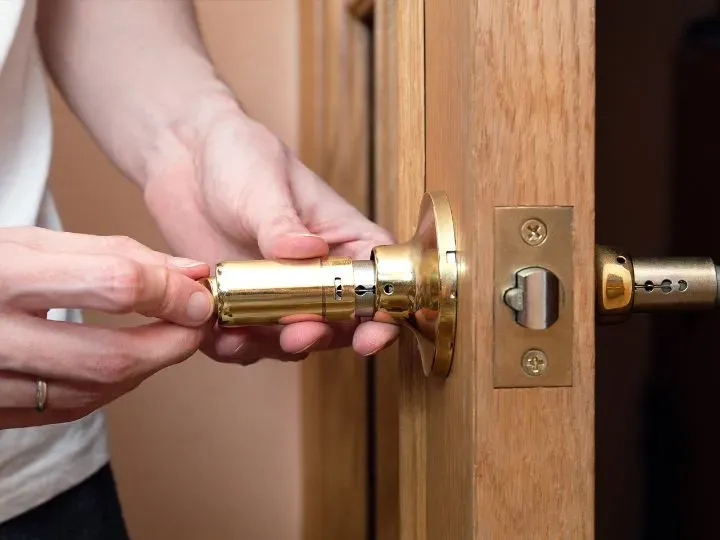
Mechanical Locks Traditional mechanical locks operate through purely physical mechanisms. These systems rely on springs, pins, tumblers, and other mechanical components that function without any electrical input. Common types include deadbolts, knob locks, lever handle locks, and high-security cylinder locks. The operation depends entirely on the physical interaction between the key and the lock’s internal mechanisms.
Electronic Locks Electronic locks incorporate digital components and typically require electrical power to operate their locking mechanisms. These systems include keypad locks, smart locks with Bluetooth or Wi-Fi connectivity, card readers, and biometric scanners. While they offer advanced features like remote access and audit trails, their dependence on electricity raises questions about reliability during power failures.
Power Outage Performance Analysis
Mechanical Lock Advantages During Outages
Complete Independence from Power The primary advantage of mechanical locks during power outages is their total independence from electrical systems. A traditional deadbolt installed correctly will function identically whether the power is on or off. The physical act of turning a key operates the same mechanical components regardless of electrical conditions.
No Battery Concerns Unlike electronic systems, mechanical locks never face battery depletion issues. There’s no risk of finding yourself locked out because a battery died during an extended power outage. This reliability factor makes mechanical locks particularly valuable in areas prone to frequent or prolonged power failures.
Proven Longevity Mechanical lock systems have demonstrated reliable operation over decades with minimal maintenance. Quality mechanical locks can function for 20-30 years or more with basic upkeep, providing consistent security throughout their operational life.
Electronic Lock Challenges During Outages
Primary Power Dependency Most electronic locks require constant or periodic power to operate their locking mechanisms. During a power outage, locks connected to building electrical systems will lose functionality unless backup power is available. This dependency can create security vulnerabilities or access problems during emergencies.
Battery Backup Limitations While many electronic locks include battery backup systems, these have inherent limitations. Battery life varies significantly based on usage patterns, environmental conditions, and battery quality. In extended outages lasting several days or weeks, battery-powered locks may eventually fail.
System Complexity Vulnerabilities Electronic locks contain multiple components that can fail during power fluctuations. Voltage spikes when power returns, electromagnetic interference, and component degradation can affect electronic lock reliability. The more complex the system, the greater the potential for failure points.
Specific Scenarios and Considerations
Residential Applications
For homeowners, the choice between electronic and mechanical locks often depends on lifestyle priorities and local conditions. Areas with frequent storms or unreliable electrical infrastructure may benefit more from mechanical lock systems. However, the convenience features of electronic locks, such as keypad entry and remote access, provide significant daily advantages that many homeowners value.
Many residential installations use hybrid approaches, combining mechanical deadbolts with electronic convenience features. This strategy provides the reliability of mechanical systems while maintaining the modern functionality that electronic locks offer.
Commercial and Industrial Settings
Business environments face different considerations during power outages. While security remains paramount, access control for employees and emergency responders becomes critical. Many commercial facilities employ mechanical override systems within their electronic access control infrastructure.
Professional locksmith services, such as those provided by companies like Driscoll’s Lock & Key in Rockland, NY, often recommend layered security approaches for commercial clients. These systems typically include mechanical backup locks alongside electronic access control systems to ensure continuous operation during various emergency scenarios.
Emergency Services and Critical Infrastructure
Facilities requiring guaranteed access during emergencies typically prioritize mechanical lock systems for critical entry points. Hospitals, emergency services, and essential infrastructure often specify mechanical locks for areas where access cannot be compromised by power failures.
Battery Technology and Backup Systems
Modern Battery Solutions
Recent advances in battery technology have improved electronic lock reliability during power outages. Lithium-ion batteries offer longer life and better performance in extreme temperatures compared to alkaline alternatives. Some high-end electronic locks now feature batteries that can operate for months or even years on a single charge.
Smart Power Management Advanced electronic locks incorporate power management systems that extend battery life by reducing power consumption during normal operation and conserving energy during outages. These systems may disable non-essential features while maintaining core locking functionality during power failures.
Backup Power Integration
Some electronic lock systems can integrate with building backup power systems, including uninterruptible power supplies (UPS) and emergency generators. This integration provides extended operation during outages, though it requires additional infrastructure investment and maintenance.
Maintenance and Long-term Reliability
Mechanical Lock Maintenance
Mechanical locks require minimal maintenance but benefit from regular cleaning and lubrication. Annual service typically involves checking alignment, lubricating moving parts, and inspecting for wear. Properly maintained mechanical locks rarely fail unexpectedly and provide consistent performance over many years.
Electronic Lock Maintenance
Electronic locks require more comprehensive maintenance schedules. Regular battery replacement, software updates, and component inspection are necessary to maintain optimal performance. Environmental factors like humidity, temperature extremes, and dust can affect electronic components more significantly than mechanical systems.
Professional locksmiths regularly service both types of systems and can provide insights into long-term reliability based on real-world performance data from various installations.
Cost Considerations Over Time
Initial Investment
Mechanical locks generally require lower initial investment compared to electronic systems. However, the total cost of ownership includes factors beyond purchase price, such as installation complexity, maintenance requirements, and potential replacement costs.
Long-term Value
While electronic locks may have higher upfront costs, they can provide value through features like audit trails, remote access, and integration with security systems. However, their shorter lifespan and higher maintenance requirements can offset some economic advantages.
Mechanical locks often provide better long-term value in terms of pure reliability and longevity, particularly in applications where advanced features are not essential.
Hybrid Solutions and Best Practices
Combining Technologies
Many security professionals recommend hybrid approaches that leverage the strengths of both technologies. Common configurations include mechanical deadbolts paired with electronic convenience locks, or electronic access control systems with mechanical override capabilities.
Strategic Placement
The optimal approach often involves using different lock types in different locations based on specific requirements. High-security areas might employ mechanical locks for guaranteed access, while convenience areas use electronic systems for daily operation.
Professional Assessment
Qualified locksmiths can assess specific situations and recommend appropriate solutions based on factors like local power reliability, security requirements, budget constraints, and user preferences. Professional installation and maintenance are crucial for both types of systems to achieve optimal performance.
Regional Considerations and Climate Factors
Weather-Related Outages
Areas prone to severe weather events may experience frequent or extended power outages. Regions with heavy snowfall, hurricanes, or severe storms should carefully consider the reliability implications of their lock choices. Mechanical systems generally perform more predictably in these scenarios.
Infrastructure Reliability
Local electrical grid reliability varies significantly across different regions. Areas with aging infrastructure or remote locations may benefit more from mechanical lock systems due to increased outage frequency and duration.
Future Trends and Technology Development
Improving Electronic Reliability
Manufacturers continue developing electronic locks with improved power efficiency and backup capabilities. Solar charging options, kinetic energy harvesting, and advanced battery technologies are emerging to address power-related reliability concerns.
Smart Grid Integration
Future electronic lock systems may integrate with smart grid technologies to receive power status updates and adjust operation accordingly. These systems could potentially prepare for outages and optimize battery usage based on grid conditions.
Making the Right Choice
The decision between electronic and mechanical locks during power outages ultimately depends on specific needs, priorities, and circumstances. Critical factors include:
Risk Assessment Evaluate the likelihood and typical duration of power outages in your area. Consider the consequences of lock failure during different scenarios and the importance of guaranteed access versus convenience features.
Usage Patterns Consider how the locks will be used daily and during emergencies. High-traffic applications may benefit from electronic convenience, while emergency access points may require mechanical reliability.
Budget and Maintenance Capacity Factor in long-term costs including maintenance, battery replacement, and potential system updates. Consider available resources for ongoing system maintenance and monitoring.
Professional Consultation Consult with experienced security professionals who can assess your specific situation and recommend appropriate solutions. Local expertise, such as that available from established locksmith services, can provide valuable insights into regional considerations and proven solutions.
Conclusion
Both electronic and mechanical locks have their place in comprehensive security strategies. Mechanical locks provide unmatched reliability during power outages but lack the convenience and advanced features of electronic systems. Electronic locks offer sophisticated functionality and user convenience but face inherent vulnerabilities during power failures.
The most effective approach often involves understanding the strengths and limitations of each technology and implementing solutions that address specific security requirements. Whether choosing purely mechanical systems for maximum reliability, electronic systems for advanced functionality, or hybrid solutions that combine both technologies, the key is matching the lock technology to the specific needs and circumstances of each application.
Regular maintenance, professional installation, and periodic assessment of security needs help ensure optimal performance regardless of the chosen technology. As power grid reliability and battery technology continue to improve, the gap between electronic and mechanical lock reliability during outages may narrow, but the fundamental trade-offs between convenience and guaranteed operation will likely persist.