Combination locks serve as reliable security solutions across residential, commercial, and institutional settings. From safes and lockers to padlocks and door locks, these mechanical marvels provide keyless security that eliminates concerns about lost or stolen keys. However, like any mechanical device, combination locks can develop problems that prevent proper operation. Understanding common issues and their solutions helps users maintain these security devices while knowing when professional intervention becomes necessary.
Understanding Combination Lock Mechanisms
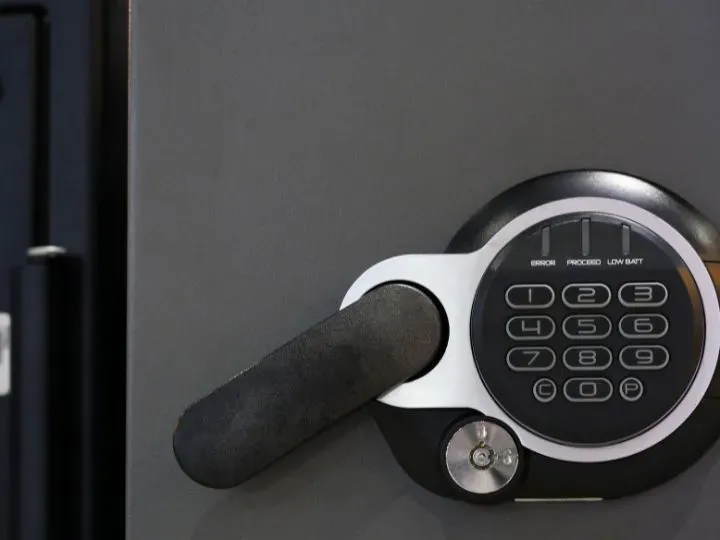
Combination locks operate through precise mechanical interactions between rotating discs, wheels, or dials that must align correctly to release the locking mechanism. Traditional dial combination locks use a series of rotating discs with notches that align when the correct sequence is entered. Digital combination locks employ electronic keypads that control motorized mechanisms or solenoids to engage and disengage locking components.
The reliability of combination locks stems from their mechanical simplicity, but this same mechanical nature makes them susceptible to specific types of problems. Wear patterns develop over time, environmental factors affect operation, and user errors can compound to create seemingly complex issues with relatively straightforward solutions.
Dial Won’t Turn or Feels Stiff
One of the most common combination lock problems involves difficulty turning the dial or stiff operation that requires excessive force. This issue typically stems from several underlying causes that range from simple maintenance needs to more serious mechanical problems.
Dust and debris accumulation inside the lock mechanism ranks as the primary culprit for stiff dial operation. Over time, particles settle into the precise gaps between moving components, creating friction that impedes smooth rotation. Environmental factors such as humidity can cause internal components to corrode slightly, while temperature fluctuations may cause metal components to expand or contract, affecting tolerances.
Solution approaches include:
Start with gentle cleaning using compressed air to blow out loose debris from around the dial and any accessible openings. Avoid using liquids or lubricants unless specifically recommended by the manufacturer, as improper lubrication can attract more dirt and potentially damage sensitive components.
For safes and larger combination locks, professional cleaning may be necessary. Experienced locksmiths possess specialized tools and knowledge to disassemble mechanisms safely, clean components thoroughly, and reassemble with proper lubrication.
If cleaning doesn’t resolve the stiffness, internal wear or damage may require professional diagnosis. Attempting to force a stiff dial can worsen the problem and potentially cause expensive damage to precision components.
Lock Won’t Open Despite Correct Combination
Perhaps the most frustrating combination lock problem occurs when the lock refuses to open even when users are confident they’re entering the correct sequence. This issue can stem from multiple causes, ranging from user error to mechanical failure.
Common underlying causes include:
Timing Issues: Many combination locks require specific timing between number entries. Rotating too quickly past numbers or not pausing sufficiently between digits can prevent proper alignment of internal components. Some locks require the dial to be turned slowly and deliberately, with brief pauses at each number.
Starting Position Errors: Most dial combination locks require starting from a specific position, typically with several full rotations to clear previous attempts. Failing to properly clear the lock before beginning the sequence is a frequent cause of opening failures.
Drift in Combination Settings: Over time, mechanical wear can cause slight shifts in the exact position where numbers align internally. A combination that once worked at exactly “25” might now require “24” or “26” to achieve proper alignment.
Sequential Entry Errors: Digital combination locks often require precise button pressing sequences, and worn buttons or membrane keypads may not register inputs correctly.
Solution strategies:
Begin troubleshooting by ensuring you’re following the manufacturer’s recommended opening procedure exactly. Many combination locks have specific requirements for initial positioning, rotation direction, and timing that users sometimes overlook.
Try slight variations in number positioning if the exact combination isn’t working. For dial locks, attempt one number higher or lower for each digit in the sequence, as mechanical wear may have caused slight alignment shifts.
For digital locks, ensure buttons are being pressed firmly and completely. Worn keypads may require more deliberate pressure to register inputs correctly.
If these basic troubleshooting steps don’t resolve the issue, professional diagnosis becomes necessary to determine whether the problem stems from mechanical wear, internal damage, or more complex issues requiring specialized tools and expertise.
Electronic Keypad Malfunctions
Digital combination locks with electronic keypads introduce additional complexity compared to purely mechanical systems. While these devices offer convenience and often enhanced security features, they’re susceptible to electronic failures that mechanical locks don’t experience.
Common electronic issues include:
Dead or Weak Batteries: Most electronic combination locks rely on battery power, and failing batteries can cause erratic behavior before complete failure. Symptoms often include intermittent operation, delayed responses, or failure to register button presses.
Keypad Wear and Damage: Frequently used buttons may wear out faster than others, leading to missed inputs or double-registrations. Environmental exposure can also damage membrane keypads or cause button mechanisms to stick.
Circuit Board Problems: Internal electronic components can fail due to age, moisture exposure, or power surges. These failures often manifest as complete unresponsiveness or erratic behavior that doesn’t correlate with specific user actions.
Solution approaches:
Battery replacement should be the first troubleshooting step for any electronic combination lock experiencing problems. Even if the lock appears to have some power, weak batteries can cause unpredictable behavior that battery replacement resolves.
For keypad issues, gentle cleaning with appropriate electronics cleaners may restore proper function. However, avoid using excessive moisture or harsh chemicals that could damage sensitive components.
When electronic problems persist after battery replacement and cleaning, professional evaluation becomes necessary. Many electronic lock failures require specialized diagnostic equipment and replacement components that aren’t accessible to general users.
Forgotten Combinations and Recovery Options
Combination lockouts represent a unique challenge because the security device is functioning correctly, but authorized users can’t access their belongings. Emergency safe lockouts require careful handling to maintain security while restoring access.
Legitimate recovery approaches include:
Manufacturer Reset Procedures: Some combination locks include master reset functions or override codes that authorized users can employ. These procedures typically require proof of ownership and may involve contacting the manufacturer directly.
Professional Safe Technicians: Certified locksmiths and safe technicians possess specialized tools and techniques for non-destructive entry into combination locks. Professional services ensure that security isn’t permanently compromised while restoring access.
Documentation Review: Users should check for any recorded combinations in secure locations, original paperwork, or digital records that might contain the forgotten sequence.
Avoid attempting DIY safe cracking techniques found online, as these approaches often cause permanent damage to locking mechanisms and may compromise future security. Professional safe technicians understand how to maintain the integrity of security devices while providing access solutions.
Mechanical Wear and Component Failure
Long-term use inevitably causes wear in combination lock mechanisms, leading to problems that require component replacement or professional refurbishment. Understanding normal wear patterns helps users identify when professional intervention becomes necessary.
Signs of significant mechanical wear include:
- Inconsistent operation where the same combination sometimes works and sometimes doesn’t
- Grinding or unusual sounds during dial rotation
- Visible wear on external components such as dials or keypads
- Increasing difficulty in precise number alignment
- Complete failure to engage or disengage locking mechanisms
Internal components such as springs, wheels, and alignment mechanisms experience stress with each use. High-quality combination locks can operate reliably for decades, but eventually require professional maintenance or component replacement to maintain proper function.
Professional locksmiths who specialize in safe sales and repairs understand the intricacies of various combination lock mechanisms. They can diagnose wear patterns, replace worn components, and restore reliable operation while maintaining security integrity.
Environmental Factors and Protection
Environmental conditions significantly impact combination lock performance and longevity. Understanding these factors helps users take preventive measures to avoid common problems.
Humidity and Moisture: Excessive moisture can cause internal corrosion, affecting smooth operation and potentially causing electronic failures in digital locks. Coastal environments and areas with high humidity require particular attention to moisture protection.
Temperature Extremes: Both hot and cold temperatures can affect metal expansion and contraction, potentially altering the precise tolerances required for proper operation. Electronic components may also behave erratically in extreme temperatures.
Dust and Debris: Accumulated particles can interfere with precise mechanical movements, causing stiff operation or preventing proper alignment of internal components.
Protective measures include:
Regular cleaning and maintenance according to manufacturer recommendations help prevent environmental damage. For outdoor applications, weather protection and regular inspection become essential.
Professional maintenance schedules help identify environmental damage before it causes complete failure. Experienced technicians can recommend protective measures specific to particular environments and usage patterns.
When to Seek Professional Help
While some combination lock problems respond to basic troubleshooting, certain situations require professional expertise to avoid damage and maintain security integrity.
Professional intervention becomes necessary when:
- Basic troubleshooting doesn’t resolve operational problems
- The lock shows signs of tampering or damage
- Electronic components require diagnosis or replacement
- Mechanical wear affects reliable operation
- Emergency access is needed without damaging the security device
Established locksmith services bring decades of experience to combination lock problems. Professional locksmith services understand the nuances of different manufacturers and models, possess specialized tools for diagnosis and repair, and can maintain security while resolving access issues.
Preventive Maintenance Strategies
Proactive maintenance significantly extends combination lock lifespan while preventing many common problems. Understanding proper care techniques helps users avoid costly repairs and security compromises.
Effective maintenance practices include:
Regular Operation: Periodically operating the lock helps identify developing problems before they become serious. Monthly testing ensures continued reliable function and familiarizes users with normal operation.
Proper Technique: Following manufacturer recommendations for operation prevents unnecessary wear and maintains precision in mechanical components. Gentle, deliberate movements reduce stress on internal mechanisms.
Environmental Protection: Appropriate protection from moisture, dust, and extreme temperatures preserves both mechanical and electronic components.
Professional Inspections: Annual inspections by qualified technicians can identify wear patterns and potential problems before they cause failures.
Digital vs. Mechanical Reliability
The choice between digital and mechanical combination locks involves trade-offs between convenience and long-term reliability. Understanding these differences helps users make informed decisions and set appropriate maintenance expectations.
Mechanical combination locks offer proven long-term reliability with minimal maintenance requirements. Their purely mechanical operation eliminates concerns about battery failure or electronic component problems. However, they may require more precise operation techniques and can be more challenging to reset or reconfigure.
Digital combination locks provide convenience features such as multiple user codes, audit trails, and easier combination changes. However, they introduce electronic components that require battery maintenance and may fail in ways that mechanical locks don’t experience.
Professional locksmiths can help evaluate the trade-offs for specific applications and recommend appropriate solutions based on security requirements, usage patterns, and environmental factors.
Emergency Response Planning
Combination lock failures often occur at inconvenient times, making emergency response planning valuable for both residential and commercial users. Understanding available options helps minimize disruption when problems arise.
Emergency preparedness includes:
Documentation: Maintaining secure records of combinations, manufacturer information, and professional service contacts enables quick response to problems.
Professional Contacts: Establishing relationships with qualified locksmiths before emergencies arise ensures access to reliable service when time is critical.
Alternative Access: Where appropriate, maintaining alternative access methods provides backup options when combination locks fail.
For critical applications such as safes containing important documents or commercial security systems, having emergency response plans becomes essential for business continuity and personal security.
Conclusion
Combination lock troubleshooting requires understanding both the mechanical principles underlying these security devices and the practical limitations of DIY repair approaches. While basic maintenance and simple troubleshooting can resolve many common problems, the precision required for proper operation and the security implications of improper repair make professional services valuable for significant issues.
Users who understand normal operation, practice proper maintenance, and recognize when professional help becomes necessary can enjoy reliable, long-term security from their combination locks. The investment in quality locks and professional maintenance pays dividends in reliable access and peace of mind.
Whether dealing with a stubborn safe dial, an unresponsive electronic keypad, or a completely failed mechanism, the key to successful resolution lies in understanding the problem, attempting appropriate troubleshooting, and knowing when to seek professional expertise. With proper care and timely professional intervention when needed, combination locks can provide decades of reliable security service.