Safety is one of the most important responsibilities of any commercial property owner or manager. In emergencies, the ability for occupants to exit quickly and safely can make all the difference. That’s where panic hardware, also known as crash bars or exit devices, plays a critical role.
Panic hardware is specifically designed to allow doors to open easily with a simple push. This helps people exit a building quickly during emergencies such as fires or security threats.
However, choosing the right panic hardware for your commercial property involves more than selecting a device that fits the door. It requires careful consideration of building codes, security needs, durability, and long-term performance.
Here are the key factors to consider when selecting panic hardware for commercial properties.
Understanding What Panic Hardware Is and Where It’s Required
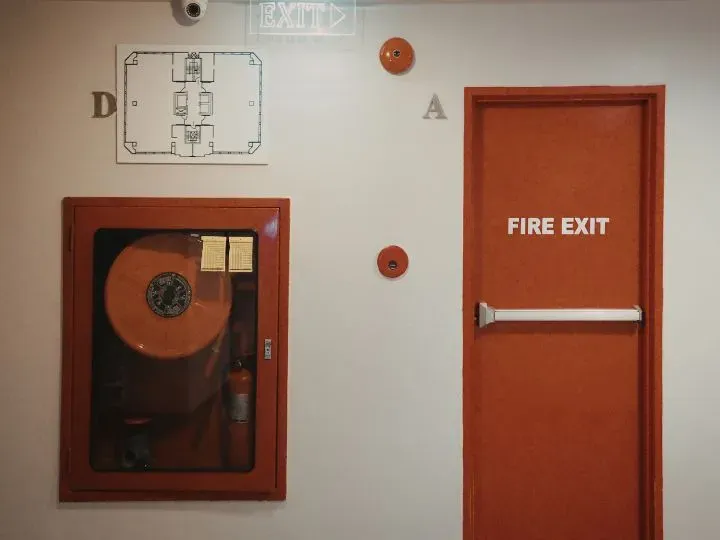
Panic hardware is a door-latching mechanism that unlocks when pressure is applied to a horizontal bar. It allows fast, intuitive exit without the need to turn a knob or use a key.
Most commercial buildings are required by building and fire codes to install panic hardware on certain exit doors. This typically includes properties with high occupancy loads such as:
- Schools
- Hospitals
- Retail stores
- Restaurants
- Office buildings
- Government facilities
The purpose is simple: ensure safe and unobstructed egress during emergencies. Failing to install the correct hardware can lead to failed inspections, liability risks, and potentially dangerous situations.
Building Codes and Compliance Requirements
One of the most important considerations when choosing panic hardware is code compliance. Commercial doors must meet local and national safety standards, including fire codes and accessibility requirements.
In many cases, panic hardware is required on doors serving assembly or educational occupancies with an occupant load exceeding a specific number. Additionally, doors that are part of a fire-rated assembly may require certified fire exit hardware.
Accessibility is also a factor. The hardware must comply with Americans with Disabilities Act (ADA) guidelines, meaning it must be operable with minimal force and without tight grasping or twisting.
Because code requirements can vary by building type and occupancy, working with a professional locksmith ensures the selected hardware meets all applicable regulations and passes inspection.
Choosing the Right Type of Panic Hardware
Not all panic hardware is the same. The correct type depends on the door configuration, traffic flow, and security needs.
Rim Exit Devices
Rim exit devices are the most common type of panic hardware. They are surface-mounted and latch into a strike on the door frame. These are typically used on single doors and are relatively easy to install and maintain.
Vertical Rod Exit Devices
Vertical rod devices use rods that extend to the top and bottom of the door. They are commonly installed on double doors without a center mullion and provide additional latching points for improved stability.
Mortise Exit Devices
Mortise exit devices are built into the door and offer enhanced security. These are often used in higher-security commercial environments or buildings with heavy traffic.
Selecting the correct style ensures smooth operation and long-term reliability.
Fire-Rated vs. Non-Fire-Rated Hardware
If your door is part of a fire-rated assembly, you must install fire-rated exit hardware. Fire exit devices are specifically designed to remain secure during a fire while still allowing immediate egress.
Fire-rated panic hardware typically does not include mechanical dogging (which holds the latch retracted) because fire doors must automatically latch to prevent the spread of flames and smoke.
Using non-rated hardware on a fire-rated door can result in failed inspections and serious safety violations. Always confirm whether your door requires certified fire exit hardware before making a selection.
Durability and Traffic Volume
Commercial properties often experience significantly higher traffic than residential buildings. The volume of daily use should influence your hardware choice.
High-traffic environments such as schools, hospitals, and retail stores require heavy-duty panic hardware designed for frequent operation. Look for devices that have been cycle-tested and constructed with durable materials such as reinforced steel components.
While heavy-duty hardware may cost more upfront, it reduces maintenance issues, downtime, and long-term replacement costs.
Security Features and Access Control Integration
Panic hardware is designed for safe exit, but it also plays a role in overall building security. Modern commercial properties often require enhanced security features that can integrate with access control systems.
Options may include:
- Alarmed exit devices that sound when opened
- Electrified panic hardware for controlled access
- Delayed egress systems (where permitted by code)
- Integration with keyless entry or card access systems
Balancing security and life safety is critical. Exit devices must always allow free egress in emergencies while still protecting against unauthorized entry.
A professional locksmith can help ensure that your panic hardware works seamlessly with your existing security system.
Ease of Maintenance and Serviceability
Over time, even high-quality panic hardware requires maintenance. Choosing hardware with readily available replacement parts and simple adjustment mechanisms can save time and money.
Routine inspections should be part of your building maintenance plan to ensure the hardware functions properly. Loose components, misalignment, or worn parts can compromise both safety and security.
Professional door lock installation also plays a significant role in long-term performance. Proper alignment and secure mounting reduce wear and operational issues.
Aesthetics and Finish Options
While function is the top priority, appearance still matters in commercial spaces. Panic hardware is available in various finishes, such as satin chrome, bronze, and black, allowing you to match the overall design of your property.
Selecting a finish that complements your doors and interior design helps maintain a polished, professional appearance without sacrificing safety or performance.
Why Professional Installation Matters
Improperly installed panic hardware can cause serious problems, including failed inspections, door misalignment, and compromised safety.
Commercial door systems are complex, especially when fire ratings and access control systems are involved. Working with experienced professionals ensures the correct hardware is selected, installed properly, and fully compliant with applicable codes.
A knowledgeable locksmith can assess your building layout, occupancy type, and security requirements to recommend the best solution for your property.
Conclusion
Choosing the right panic hardware for your commercial property is about more than meeting a requirement. It’s about protecting lives, maintaining compliance, and ensuring reliable performance for years to come.
From understanding building codes to selecting the appropriate device type, durability level, and security features, every detail matters. Investing in high-quality hardware and professional installation reduces liability, enhances safety, and provides peace of mind.
If you’re installing or upgrading panic hardware in your commercial property, contact Driscoll’s Lock & Key today for expert guidance, code-compliant solutions, and professional installation you can trust.