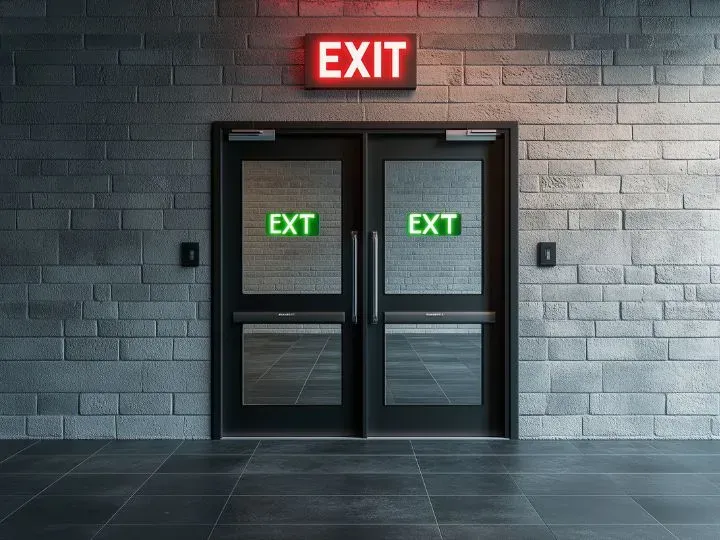
Push bars, also known as panic bars or crash bars, are essential safety features for commercial buildings. They allow occupants to exit quickly during emergencies while ensuring doors remain secure when closed.
Despite their simple appearance, push bars are mechanical devices that require proper alignment to function smoothly. Misaligned push bars can make doors difficult to operate, compromise safety, and even violate building codes.
Understanding the common causes of push bar misalignment is key to maintaining both security and safety in your facility.
Normal Wear and Tear
Like any mechanical device, push bars experience wear over time. In high-traffic areas such as schools, office buildings, and retail spaces, the constant use of push bars can gradually loosen internal components. Over months or years, this normal wear can result in sticking, uneven latching, or difficulty in fully engaging the mechanism.
The repetitive motion of pushing the bar, combined with friction from moving parts, can wear down the internal springs and rods. Even if the bar appears intact, subtle internal damage can prevent smooth operation. Regular inspections and preventive maintenance can help prevent misalignment before it becomes a safety concern.
Improper Installation
One of the most common reasons push bars become misaligned is improper installation. Even minor errors during the installation process can create long-term alignment issues.
Common mistakes include misaligned screws or brackets, incorrect door measurements, and failure to follow manufacturer specifications. For example, if the mounting plate is slightly off, the push bar may not sit flush with the door, causing uneven engagement with the latch. Over time, these small errors can compound, making the push bar harder to operate and reducing its effectiveness in an emergency.
To avoid these problems, it’s essential to have push bars installed by trained professionals who understand the specific requirements for each model. Proper installation ensures smooth operation and reduces the likelihood of future misalignment.
Door Frame or Structural Issues
Push bars depend on the stability of the door and door frame to function correctly. Structural problems, such as a sagging door or warped frame, can easily cause misalignment. Even minor shifts in the building’s foundation or door frame can prevent the latch from properly engaging, leaving the door either difficult to open or insecure when closed.
Environmental factors also play a role. Humidity, temperature fluctuations, and natural settling of the building can warp doors or frames over time. In older buildings, regular inspection of doors and frames is crucial. Addressing structural issues early, such as reinforcing a frame or adjusting the door, can prevent ongoing misalignment problems.
Accidental Damage or Misuse
Push bars are designed for controlled use, but accidents happen. Heavy impact, misuse, or careless handling can easily misalign a push bar. Common examples include slamming doors, forcing the bar in the wrong direction, or collisions with carts, trolleys, or other equipment.
Signs of accidental damage may include bent bars, loose mounting plates, uneven gaps between the door and frame, or difficulty engaging the latch. Even minor impacts can bend internal components, throwing off alignment. Prompt repairs are essential to maintain proper function, as a compromised push bar can delay emergency exits or prevent the door from locking securely.
Hardware Malfunction
Internal hardware is another potential source of misalignment. Push bars rely on springs, latches, rods, and other components to operate correctly. Over time, these parts can wear out, become loose, or fail entirely.
A broken spring or misaligned latch can prevent the bar from returning to its resting position or fully engaging the door. While these issues may not always be immediately visible, they can compromise safety in an emergency. Routine inspection of internal hardware is crucial, and any worn or damaged parts should be replaced promptly to ensure proper alignment and functionality.
Preventive Measures and Maintenance Tips
Fortunately, many causes of push bar misalignment can be prevented with simple maintenance practices:
- Regular Inspections: Check push bars periodically for signs of wear, loose screws, or misalignment. Catching small problems early prevents larger issues.
- Lubrication: Apply a manufacturer-recommended lubricant to moving parts to reduce friction and wear.
- Immediate Repairs: Address any bent bars, loose plates, or malfunctioning components as soon as they are noticed.
- Professional Installation and Adjustment: Ensure push bars are installed by qualified technicians and adjusted correctly to avoid misalignment from the start.
- Avoid Heavy Impact or Misuse: Encourage building occupants to use push bars correctly and avoid slamming doors or striking them with objects.
Regular maintenance not only extends the life of the push bar but also ensures compliance with safety codes and building regulations. A well-maintained push bar contributes to the overall safety and security of your building.
Conclusion
Push bar misalignment can occur for a variety of reasons, from normal wear and tear to improper installation, structural shifts, accidental damage, and hardware failure. Understanding these common causes helps building owners and facility managers take proactive steps to maintain proper alignment.
Routine inspections, timely repairs, and professional installation from a locksmith in Rockland are key to ensuring that push bars operate smoothly and reliably. By addressing misalignment early, you protect the safety of occupants, maintain building security, and ensure compliance with safety standards.
If you notice any issues with your push bars, it’s important to contact Driscoll’s Lock & Key to assess and repair the problem. Proper care today can prevent emergency failures tomorrow.