When it comes to safety, every second matters, especially in environments where large numbers of people gather, such as schools and hospitals. In emergencies like fires, lockdowns, or medical crises, doors must open reliably and quickly. This is where heavy-duty Grade 1 push bars, also known as panic bars, become an essential part of building safety infrastructure.
Push bars are more than just door hardware. They are a lifeline. In this blog, we’ll explore five reasons schools and hospitals need heavy-duty Grade 1 push bars and why investing in the best quality can save lives, prevent costly repairs, and ensure compliance with safety regulations.
1. Maximum Safety and Compliance
Grade 1 push bars are the highest-rated exit devices according to the ANSI/BHMA standards. They are designed to withstand rigorous use while ensuring safe, reliable operation in emergency situations. This level of durability is critical in high-traffic environments like schools and hospitals, where doors are constantly in use.
Safety regulations also play a major role. Codes such as NFPA 101 (Life Safety Code) and local fire safety regulations require that emergency exit devices be easy to operate, sturdy, and reliable. Heavy-duty Grade 1 push bars meet these standards, allowing doors to open with minimal effort.
Failing to comply with safety codes isn’t just a legal issue. It’s a risk to human life. Non-compliant or low-quality exit devices can jam or fail during emergencies, leading to dangerous situations. Installing Grade 1 push bars ensures that schools and hospitals meet all necessary safety regulations, protecting both occupants and administrators from potential liability.
2. Durability in High-Traffic Environments
Schools and hospitals are some of the busiest buildings you’ll encounter. Hallways are filled with students, staff, patients, and visitors throughout the day, and every door experiences repeated use. In such high-traffic environments, durability is essential.
Grade 1 push bars are designed to withstand heavy, frequent use without breaking down. Compared to Grade 2 or 3 devices, they have reinforced mechanisms that resist wear and tear, ensuring long-term reliability. Lower-grade push bars may start to fail after only a few years, leading to frequent repairs, replacements, and unexpected costs.
Investing in heavy-duty push bars is a proactive way to save money over time. Instead of dealing with constant maintenance and emergency replacements, schools and hospitals can rely on Grade 1 devices to perform consistently, year after year, even in the most demanding conditions.
3. Ease of Use During Emergencies
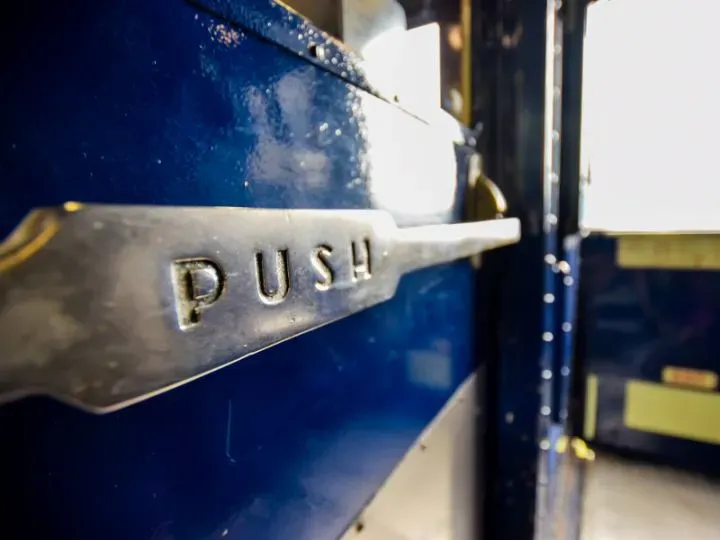
In an emergency, every second counts. Push bars are designed for rapid egress, allowing people to open doors quickly by simply pushing a horizontal bar. This intuitive mechanism is particularly important in stressful situations, where confusion or panic can slow evacuation.
Grade 1 push bars ensure smooth operation even under pressure. They are ADA-compliant, meaning they are easy to use for people of all ages and abilities, including children, elderly patients, and those with disabilities. Unlike traditional knobs or lever handles, push bars require minimal force and eliminate the risk of fumbling with keys or locks.
By installing heavy-duty Grade 1 push bars, schools and hospitals ensure that everyone can exit safely and efficiently during emergencies, minimizing the risk of injuries or bottlenecks.
4. Enhanced Security and Safety Features
Heavy-duty push bars aren’t just about emergency egress. They also play a role in building security. Many Grade 1 push bars can integrate with electronic access control systems, alarms, and monitoring devices. This integration allows administrators to secure doors while still maintaining quick emergency exit functionality.
These push bars often include anti-tamper designs, preventing unauthorized individuals from bypassing security measures. For example, in a hospital, sensitive areas like pharmacies or intensive care units can remain secure while still providing safe exit routes for staff and patients in emergencies.
This dual functionality, security plus safety, is essential in modern institutions. Schools and hospitals need hardware that protects people while preventing unauthorized access, all without compromising emergency preparedness.
5. Cost Savings Over Time
At first glance, heavy-duty Grade 1 push bars may seem more expensive than lower-grade alternatives. However, their long-term value far outweighs the initial cost. Their durability reduces the need for frequent repairs or replacements, saving maintenance budgets over the years.
Additionally, reliable push bars reduce liability risks. If an emergency occurs and a door fails because of substandard hardware, the institution could face legal consequences, insurance complications, and reputational damage. Investing in Grade 1 push bars minimizes these risks, providing peace of mind for administrators and stakeholders alike.
In essence, the upfront investment in heavy-duty hardware pays for itself through fewer repairs, enhanced safety, and reduced liability.
Conclusion
Safety, durability, usability, security, and cost savings are all reasons why schools and hospitals need heavy-duty Grade 1 push bars. These devices aren’t just hardware. They’re critical components of emergency preparedness that protect lives and ensure compliance with safety regulations.
Don’t compromise on safety. Contact Driscoll’s Lock & Key today to learn more about Grade 1 push bars, professional installation, and maintenance services. Ensure that your facility is ready for any emergency, providing peace of mind for staff, students, patients, and visitors alike.