Panic bars, also known as exit devices, are a critical safety feature in commercial and public buildings. Designed to allow quick and easy exit during emergencies, these devices can mean the difference between a smooth evacuation and a potentially dangerous situation.
Despite their importance, panic bars are not immune to mechanical problems, and when they fail, the consequences can be serious. In this article, we’ll explore the most common mechanical issues that cause panic bars to malfunction and provide tips on how to prevent failures before they happen.
How Panic Bars Work
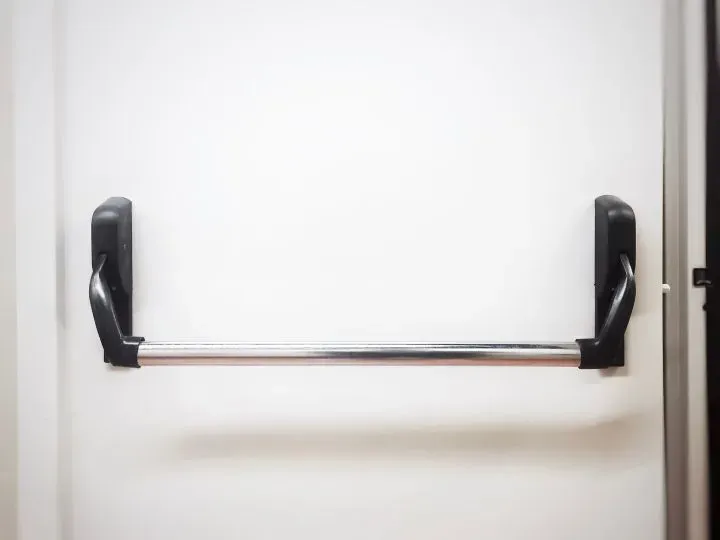
Understanding why panic bars fail starts with understanding how they work. A panic bar is typically installed on the interior side of an exit door and consists of a horizontal bar connected to a latch mechanism.
When pushed, the bar retracts the latch, allowing the door to open without a key. Panic bars come in several types, including rim, vertical, and mortise exit devices, each with slightly different internal mechanisms.
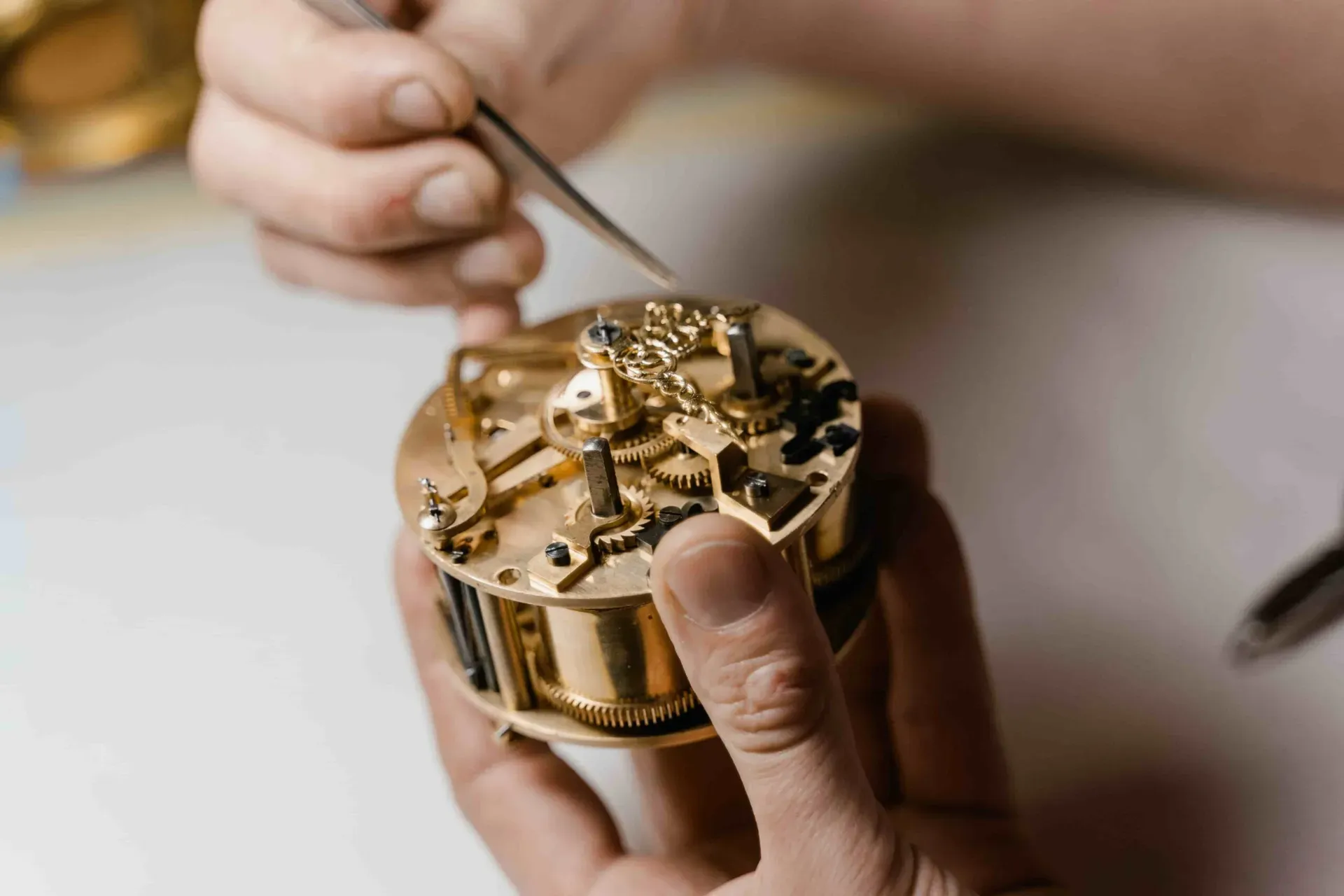
Despite variations, they all rely on the smooth operation of moving parts such as springs, latches, rods, and linkages. When any of these components fail, the panic bar can jam, stick, or fail to secure the door properly.
Common Mechanical Problems
Panic bars are subjected to heavy use every day. Over time, certain panic bar mechanical issues can develop, compromising both their functionality and safety. Here are the top mechanical problems that Rockland locksmiths encounter:
Misaligned Components
One of the most common causes of panic bar failure is misalignment. The latch and strike plate must line up perfectly for the device to work. Over time, door warping, building settling, or even a loose screw can cause components to shift out of alignment.
When this happens, the bar may not retract the latch fully or may fail to engage the strike plate, preventing the door from opening or closing properly. Regular inspections can catch these issues early, and simple adjustments often restore proper alignment.
Worn or Broken Springs
Springs play a crucial role in the operation of panic bars. They return the bar to its original position after it has been pushed. With constant use, springs can become worn, stretched, or break entirely.
A worn or broken spring may cause the bar to feel loose, stick in place, or fail to return to the correct position. Replacing worn springs promptly and ensuring that high-quality components are used can significantly extend the life of the panic bar.
Latch or Pawl Failure
The latch and pawl are essential parts that keep the door securely closed. These components can wear down over time or become bent or broken, especially in high-traffic areas.
When the latch or pawl fails, the door may not lock correctly, or it may jam when someone tries to push it open. Using durable, commercial-grade parts and having a professional locksmith inspect the device periodically can prevent these failures.
Corrosion and Rust
Environmental factors, such as humidity, exposure to rain, or salt air, can cause corrosion and rust on panic bar mechanisms. Rust not only affects the appearance but can also make the bar stiff, difficult to push, or completely inoperable.
Preventive measures include regular lubrication, using corrosion-resistant materials, and applying anti-rust treatments. Outdoor doors or doors in high-moisture areas require particular attention to prevent rust-related failures.
Loose or Missing Fasteners
Over time, screws and bolts that hold the panic bar in place can loosen due to repeated use or vibrations from nearby equipment.
A loose panic bar can wobble, become misaligned, or fail to engage the latch properly. Missing fasteners can lead to similar problems. Regularly checking all screws and tightening any that are loose is a simple but effective maintenance practice.
Other Mechanical Issues
While less common, other issues can cause panic bars to fail. Vertical exit devices may experience broken rods, and internal mechanisms in some models can wear unevenly or become obstructed.
Sometimes, debris or dirt can block the latch or strike plate, preventing smooth operation. For complex problems, professional inspection and repair are the safest solutions.
Preventing Panic Bar Failures
The good news is that most panic bar failures are preventable. Routine maintenance is key. Inspect the bar regularly for misalignment, loose screws, worn springs, or signs of rust.
Lubricate moving parts to ensure smooth operation, and replace worn components promptly. Choosing high-quality panic bars from reputable manufacturers can also reduce the likelihood of mechanical problems.
Professional inspections are especially important in high-traffic areas or for older buildings. A qualified locksmith can identify early signs of wear, perform adjustments, and ensure that your panic bars meet local safety codes. Investing in preventative care not only protects property and occupants but also extends the life of your exit devices.
Conclusion
Panic bars are a vital safety feature, and their proper function is essential for compliance and the safety of building occupants. Mechanical problems like misaligned components, worn springs, latch or pawl failure, corrosion, and loose fasteners are common but manageable with regular maintenance and professional inspections. By understanding how panic bars work and addressing issues early, building owners can prevent failures that compromise safety.
If you notice that your panic bar is sticking, loose, or otherwise malfunctioning, don’t take chances. Contact Driscoll’s Lock & Key for a professional inspection and repair. Routine maintenance and timely repairs ensure that your panic bars remain reliable, safe, and fully functional when it matters most.