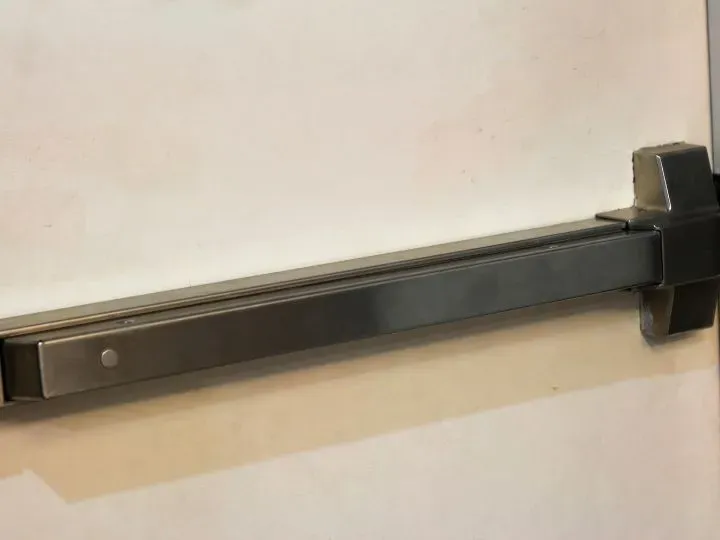
Panic bars, also known as crash bars or exit devices, are an essential part of many commercial buildings. Found on emergency exits in offices, schools, hospitals, retail stores, restaurants, and other public facilities, these devices are designed to allow occupants to leave quickly and safely during an emergency. While they may seem like simple door hardware, panic bars play a critical role in both life safety and building security.
Like any frequently used mechanical device, panic bars experience wear and tear over time. Heavy daily use, weather exposure, accidental damage, and poor maintenance can all lead to problems that affect their performance. A panic bar that sticks, fails to latch, or doesn’t open properly isn’t just an inconvenience. It can create serious safety hazards and may even result in building code violations.
In this guide, we’ll discuss the most common panic bar problems, what causes them, and how professional locksmith services can restore your exit devices to proper working condition.
Why Panic Bars Stop Working
Panic bars are built to withstand years of daily use, but even high-quality hardware has its limits. Understanding what causes these devices to fail can help building owners address issues before they become costly repairs or safety concerns.
Some of the most common causes include:
- Heavy daily traffic that wears down internal components
- Dirt, dust, and debris accumulating inside the mechanism
- Rust and corrosion caused by moisture
- Doors settling or shifting over time
- Improper installation
- Lack of routine maintenance
- Accidental impact or vandalism
Regular inspections can often identify these problems early, helping prevent unexpected failures.
Common Panic Bar Problems
Panic Bar Won’t Latch Properly
One of the most common complaints is a panic bar that no longer latches securely after the door closes. This issue leaves the door partially open or allows it to be pulled open without using the panic device, creating both security and energy-efficiency concerns.
Several issues may be responsible, including:
- A misaligned strike plate
- Loose door hinges
- Worn latch components
- Door frame movement
- Damaged internal springs
A professional locksmith will inspect both the panic hardware and the door itself to determine the exact cause before making the necessary adjustments or replacing worn parts.
Panic Bar Is Hard to Push
A properly functioning panic bar should open smoothly with minimal effort. If occupants must apply excessive force, the device should be inspected immediately.
Common causes include:
- Lack of lubrication
- Dirt buildup inside the mechanism
- Corroded internal components
- Bent hardware
- Failing springs
Because panic bars are emergency exit devices, any resistance can delay evacuation during a fire or other emergency.
Door Won’t Open When the Panic Bar Is Pressed
Few panic bar issues are more serious than a device that fails to release the door altogether. When this occurs, people may become trapped inside the building during an emergency.
Potential causes include:
- Broken connecting rods
- Internal mechanical failure
- Damaged latch mechanism
- Improper installation
- Severe corrosion
Since this type of malfunction directly impacts occupant safety, it should be addressed by a qualified commercial locksmith as soon as possible.
Loose or Wobbly Panic Bar
If the panic bar feels loose or shifts noticeably when pressed, the mounting hardware may have become damaged.
This problem can result from:
- Loose mounting screws
- Worn mounting holes
- Damaged brackets
- Excessive force or repeated impacts
Ignoring loose hardware can eventually lead to complete failure of the exit device.
Door Doesn’t Close Completely
Sometimes the panic bar functions normally, but the door fails to close or latch after someone exits the building.
Possible causes include:
- Door closer problems
- Misaligned hinges
- Frame movement
- Improper latch alignment
- Obstructions near the strike plate
A door that won’t close properly not only compromises security but also allows conditioned air to escape, increasing energy costs.
Weather-Related Damage
Exterior doors face additional challenges because they’re constantly exposed to changing weather conditions.
Rain, humidity, snow, and temperature fluctuations can all affect panic hardware by causing:
- Rust and corrosion
- Frozen components during winter
- Expansion and contraction of metal parts
- Premature wear
Buildings located in coastal areas or regions with frequent moisture should have exterior panic bars inspected more often to prevent corrosion from damaging internal components.
Problems Caused by Improper Installation
Not every panic bar issue develops over time. Sometimes the problem starts the day the hardware is installed.
Improper installation can lead to:
- Poor latch alignment
- Uneven pressure on moving parts
- Premature component wear
- Doors that require excessive force to open
- Frequent service calls
Professional installation ensures the hardware meets manufacturer specifications while complying with local building and fire safety codes.
Why Professional Repairs Matter
Although tightening a loose screw may seem like a simple DIY project, panic bars are life-safety devices that must function correctly every time they’re used.
Professional locksmiths do much more than repair the visible hardware. They inspect the entire door assembly, including:
- Door frame
- Hinges
- Door closer
- Strike plate
- Internal panic bar components
- Locking mechanism
This comprehensive inspection often uncovers underlying issues that may otherwise go unnoticed.
Professional repairs by a locksmith in Rockland also ensure the panic bar continues to comply with fire codes, ADA accessibility requirements, and local building regulations.
Repair or Replace?
Not every panic bar needs to be replaced. In many cases, repairing worn or damaged components is enough to restore reliable operation.
A repair is often appropriate when:
- The strike plate needs adjustment
- Internal parts can be replaced
- Mounting hardware has loosened
- The mechanism only requires cleaning and lubrication
However, replacement may be the better option if:
- Internal components are severely worn
- Replacement parts are unavailable
- The hardware has suffered significant vandalism
- The panic bar no longer meets current building code requirements
- The device has reached the end of its service life
An experienced locksmith can recommend the most practical and cost-effective solution after inspecting the hardware.
Preventive Maintenance Tips
Routine maintenance can significantly extend the lifespan of panic bars while reducing the risk of unexpected failures.
Building owners and facility managers should:
- Test panic bars regularly to ensure smooth operation.
- Inspect doors for proper alignment.
- Tighten loose hardware when necessary.
- Keep moving parts clean and free of debris.
- Address rust or corrosion promptly.
- Schedule professional inspections annually.
Preventive maintenance not only reduces repair costs but also helps ensure emergency exits remain reliable when they’re needed most.
Why Panic Bar Maintenance Is Important for Code Compliance
Commercial buildings are required to meet strict safety standards designed to protect occupants during emergencies. Exit devices are often subject to local fire codes, accessibility regulations, and building requirements.
A malfunctioning panic bar could lead to:
- Failed building inspections
- Fire code violations
- ADA compliance issues
- Increased liability for property owners
- Delayed emergency evacuations
Routine maintenance and timely repairs help businesses remain compliant while protecting employees, customers, and visitors.
When Should You Call a Commercial Locksmith?
Some panic bar issues are obvious, while others develop gradually over time. If you notice any of the following signs, it’s best to schedule an inspection before the problem becomes more serious:
- The panic bar sticks or requires excessive force.
- The door doesn’t latch securely.
- The panic bar feels loose or unstable.
- Grinding, squeaking, or unusual noises occur during operation.
- The door doesn’t close completely.
- Rust or visible damage appears on the hardware.
- Employees report difficulty opening the exit door.
Prompt repairs can often prevent more extensive damage and help avoid costly emergency service calls later.
Keep Your Exit Devices Safe and Reliable
Panic bars are among the most important pieces of safety hardware in any commercial building. Whether they’re installed on office entrances, school exits, healthcare facilities, or retail storefronts, they must operate flawlessly every time they’re used. Even seemingly minor issues can quickly become serious safety and security concerns if left unresolved.
Routine inspections, preventive maintenance, and timely repairs help extend the life of your panic bars while ensuring your building remains compliant with applicable safety regulations.
If your commercial exit devices aren’t operating as they should, Driscoll’s Lock & Key is here to help. Our experienced commercial locksmiths provide professional panic bar repair, replacement, installation, and maintenance services to keep your emergency exits functioning safely, securely, and reliably. Contact our team today to schedule an inspection and ensure your building’s exit hardware is ready when it matters most.
Frequently Asked Questions
Can a panic bar be repaired instead of replaced?
Yes. Many issues, such as loose hardware or worn internal parts, can be repaired. If the device is severely damaged or outdated, replacement may be recommended.
How often should panic bars be inspected?
Panic bars should be tested regularly and professionally inspected at least once a year to ensure they operate safely and meet code requirements.
Why is my panic bar hard to push?
Common causes include dirt buildup, rust, worn components, poor lubrication, or door misalignment. A locksmith can identify and fix the underlying issue.
Are panic bars required by code?
Many commercial buildings are required to have panic bars on designated exit doors, particularly in high-occupancy spaces. Requirements vary by local building and fire codes.
Can panic bars work with access control systems?
Yes. Many panic bars can be integrated with electronic access control systems while still allowing safe emergency egress.