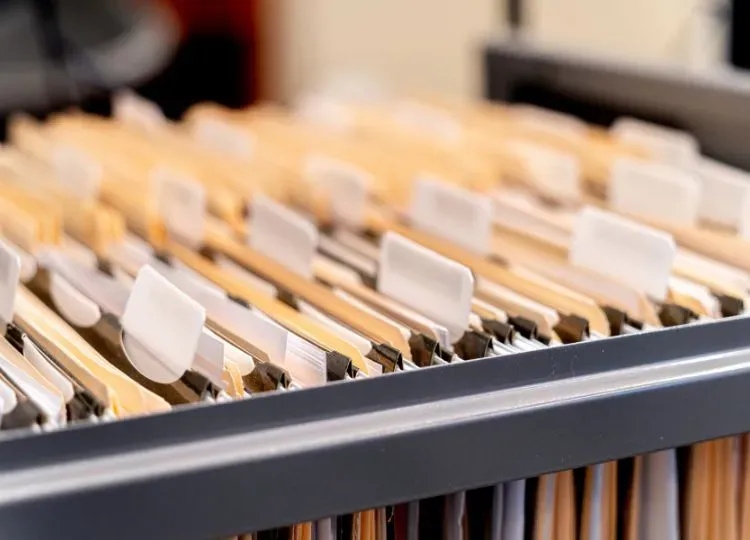
Filing cabinets are still a staple in offices, home workspaces, and professional environments despite the shift toward digital storage. They provide a practical way to organize and store important documents like financial records, legal paperwork, employee files, and client information.
However, not all filing cabinets offer the same level of protection. If sensitive documents are involved, choosing the right security features becomes just as important as choosing the right size or style.
This guide breaks down the key security features you should look for in a filing cabinet so you can better protect your information from theft, damage, or unauthorized access.
Why Filing Cabinet Security Matters
Physical document security is often overlooked in modern offices, but it remains a major risk area. Unlike digital files, paper documents can be taken, copied, or destroyed without leaving a trace. This makes them an easy target for identity theft, corporate espionage, or internal misuse.
For businesses such as law firms, medical clinics, accounting offices, and even small home offices, unsecured files can lead to serious consequences. Sensitive data like tax records, contracts, and personal client information must be properly protected. A secure filing cabinet acts as a first line of defense against unauthorized access.
Types of Filing Cabinets and Their Basic Security Levels
Filing cabinets generally come in several designs, and each offers different baseline levels of security.
- Vertical filing cabinets are the most common and are designed for compact spaces. They typically offer basic locking systems but rely heavily on the quality of the lock itself for security.
- Lateral filing cabinets are wider and often used in offices with higher storage needs. They can be more stable and sometimes include stronger locking mechanisms.
- Mobile filing cabinets are smaller and portable, making them convenient but generally less secure unless properly locked.
- Fire-resistant filing cabinets are designed to protect documents from heat and fire damage. While their main purpose is environmental protection, they often include stronger construction and better locking systems as well.
Essential Locking Mechanisms to Look For
The locking system is the most critical part of filing cabinet security.
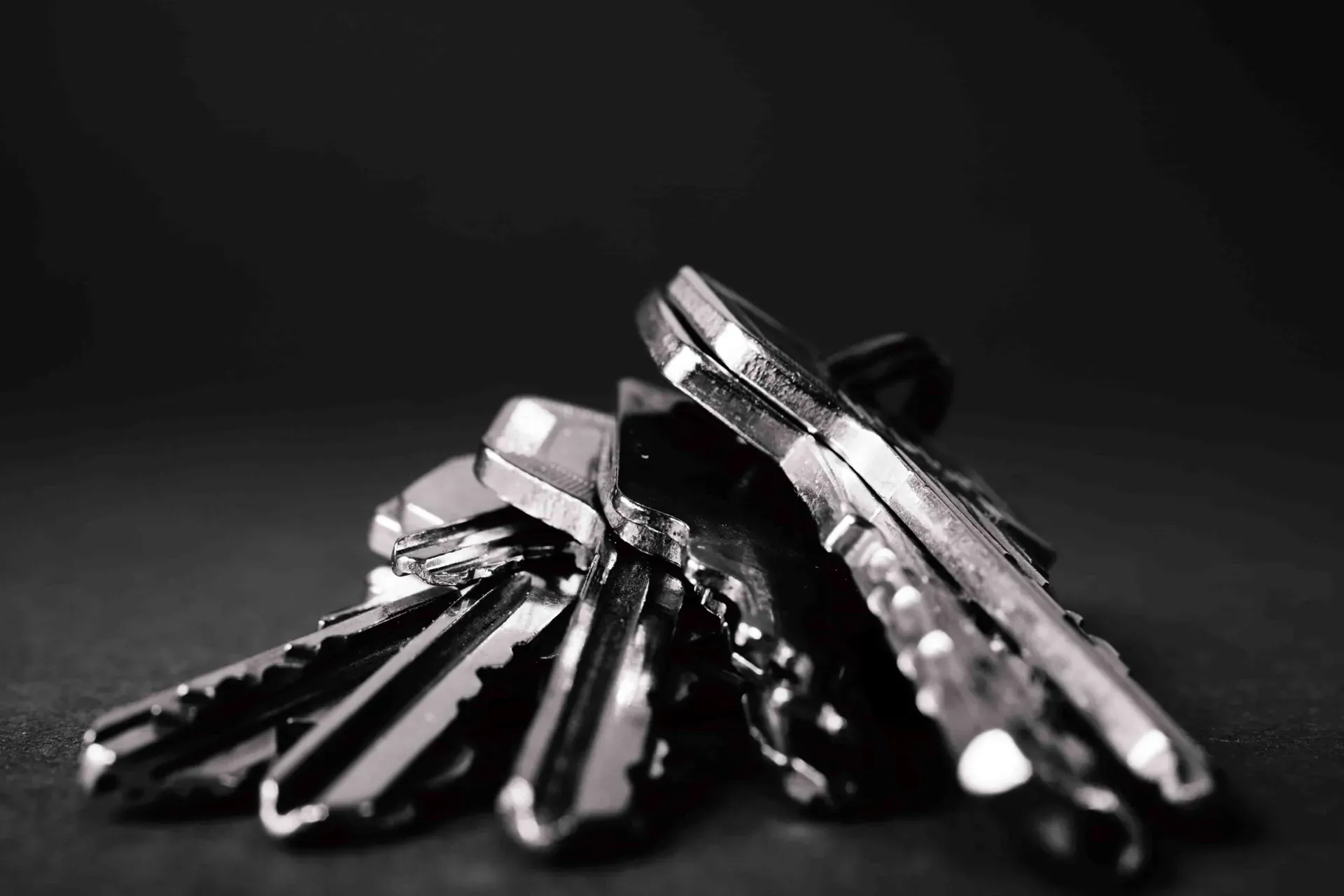
- A standard key lock is the most common option. It is affordable and easy to use, but it also carries risks if keys are lost or duplicated. Basic locks may also be vulnerable to picking.
- Cam locks and core cylinder locks offer a slightly higher level of protection, depending on their build quality. Higher-grade cylinders provide better resistance against tampering.
- Electronic keypad locks are becoming more popular in office environments. These allow access through a PIN code, eliminating the need for physical keys. However, they require battery power and may malfunction if not maintained properly.
- Biometric locks provide the highest level of access control. Fingerprint recognition ensures that only authorized individuals can open the cabinet. While more expensive, they are ideal for environments where strict confidentiality is required.
Anti-Theft and Anti-Tampering Features
Beyond locks, structural security features play a major role in protecting documents.
Look for filing cabinets made from reinforced steel or heavy-duty materials that resist forced entry. Pry-resistant drawer edges make it harder for someone to force open a drawer using tools.
Hidden hinges and reinforced rails can also reduce vulnerabilities, as exposed components are often targeted during break-ins. Drill-resistant lock housings add another layer of protection by making it difficult to attack the locking mechanism directly.
Anti-tip mechanisms are also important. These prevent multiple drawers from being opened at the same time, reducing the risk of the cabinet tipping over and limiting forced access.
Fire and Water Resistance
Security is not only about theft prevention. It also includes protection from environmental damage.
Fire-resistant filing cabinets are designed to protect documents for a specified period during a fire. This can be crucial for preserving legal or financial records.
Water-resistant seals help protect documents from sprinklers, flooding, or leaks. Even a small amount of water damage can destroy irreplaceable paperwork, so this feature adds valuable protection.
When possible, look for cabinets that come with tested ratings or certifications for fire and water resistance.
Drawer Interlocking System and Structural Security
A drawer interlocking system is a simple but highly effective safety feature. It ensures that only one drawer can be opened at a time, reducing the risk of tipping and limiting access during unauthorized entry attempts.
This feature is especially useful in busy office environments where multiple drawers might otherwise be accessed at once. It adds stability and improves overall cabinet security without requiring user effort.
Locking Control and Key Management
In shared office environments, controlling who has access to filing cabinets is just as important as the lock itself.
Master key systems allow supervisors or managers to access all cabinets while restricting individual access for employees. Restricted key duplication systems also help prevent unauthorized copying of keys.
When staff changes occur, rekeying the lock ensures that previous keys no longer work. This is an essential step in maintaining security over time.
Proper key management policies help reduce internal risks and ensure accountability.
How to Choose the Right Filing Cabinet Security Features
Choosing the right filing cabinet depends on what you are storing and how often you need access.
If you are storing highly sensitive documents, prioritize advanced locking systems such as electronic or biometric locks. For general office paperwork, a strong key lock and durable construction may be sufficient.
Consider the environment as well. High-traffic offices require stronger access control than a home office with limited users. Budget is also important, but security should never be compromised for cost alone.
Maintenance and Long-Term Security
Even the best filing cabinet requires regular maintenance. Locks should be checked periodically to ensure they function properly, and mechanical locks may need lubrication over time.
For electronic systems, batteries should be replaced before they run out to avoid lockouts. It is also important to inspect the cabinet for signs of wear, such as loose hinges or damaged locking components.
Proper maintenance ensures long-term protection and reliability.
When to Call a Professional Locksmith
There are situations where professional help becomes necessary. If you are locked out of a filing cabinet, have lost the keys, or suspect the lock has been compromised, a locksmith can safely restore access without damaging the cabinet.
Locksmiths in Orange County can also rekey or upgrade existing systems to improve security. If your filing cabinet no longer meets your security needs, professional upgrades can provide a more secure solution without needing to replace the entire unit.
Conclusion
Choosing a secure filing cabinet is about more than just storage—it’s about protecting valuable and sensitive information from theft, damage, and unauthorized access. From strong locking mechanisms to fire resistance and structural reinforcements, each feature plays a role in overall security.
If your current setup feels outdated or insecure, it may be time to upgrade or reinforce your locking system.
For expert help with filing cabinet locks, repairs, or security upgrades, Driscoll’s Lock & Key is ready to assist. Book a consultation with us today to keep your important documents properly protected.
Frequently Asked Questions
What type of lock is best for a filing cabinet?
A high-security key lock is standard, but electronic keypad locks offer better protection. Biometric locks are the most secure option.
How to make a filing cabinet more secure?
Upgrade the lock, limit access, and choose a cabinet with steel construction, anti-pry design, and a drawer interlock system.
How to determine cabinet quality?
Check for thick steel construction, smooth drawer operation, strong locks, and fire or water resistance ratings.