When people think about commercial door security, locks and access control systems usually come to mind. But there’s another piece of hardware that’s just as important, especially in an emergency. A crash bar helps people leave a building quickly and safely when every second counts.
You’ll find crash bars on the exit doors of schools, offices, restaurants, retail stores, hospitals, and many other commercial buildings. While they look simple, they play a major role in protecting employees, customers, and visitors.
In this guide, we’ll explain what a crash bar is, how it works, and why it’s an essential feature for many commercial properties.
What Is a Crash Bar?
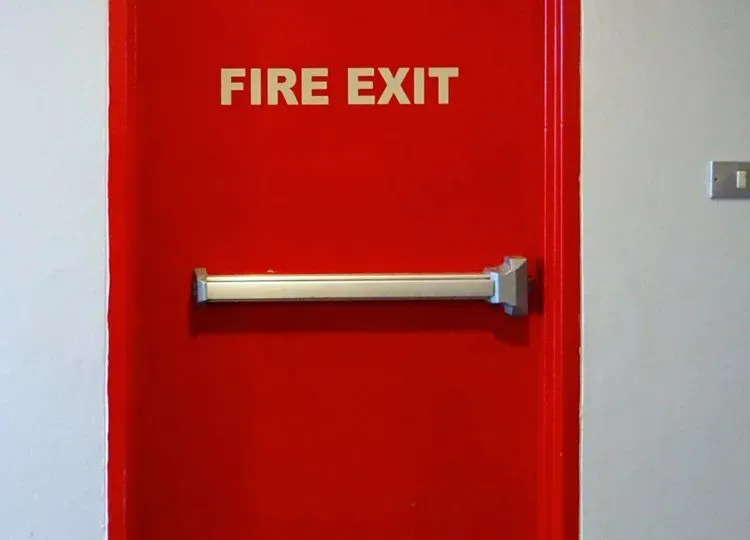
A crash bar is a horizontal metal bar installed on the inside of an exit door. Instead of turning a knob or unlocking the door, people simply push the bar to open it.
The mechanism is designed to release the door latch with minimal effort. This allows people to exit the building quickly, even in crowded or stressful situations.
Most crash bars are installed on outward-swinging exit doors. While the door opens freely from the inside, it typically remains locked from the outside, helping maintain building security without restricting emergency exits.
Because they’re built for reliability and ease of use, crash bars are commonly required in commercial buildings where large numbers of people gather.
Why Are Crash Bars Important?
Crash bars do more than make doors easier to open. They improve safety, support building security, and help businesses meet important code requirements.
Faster Emergency Evacuations
During emergencies such as fires, gas leaks, or other situations requiring immediate evacuation, people need to leave the building as quickly as possible.
A crash bar eliminates the need to:
- Find a key
- Turn a lock
- Twist a doorknob
- Figure out how the door opens
Instead, anyone can simply push against the bar and exit immediately. This helps reduce delays and keeps people moving toward safety.
Improved Safety for Everyone
In an emergency, people often panic. Complex locks or difficult-to-open doors can slow evacuations and increase the risk of injury.
Crash bars are designed to be intuitive. Even someone unfamiliar with the building can understand how to use one without instructions.
They’re also easier for children, older adults, and individuals carrying bags or equipment since opening the door requires only a simple push.
Supports Building Code Compliance
Many commercial buildings are required to install panic hardware under local building and fire codes. These requirements often apply to buildings with high occupancy or spaces where large groups of people gather.
Installing the proper exit hardware helps businesses:
- Meet safety regulations
- Pass inspections
- Reduce liability risks
- Improve overall building safety
Because code requirements vary by building type and location, it’s a good idea to work with an experienced commercial locksmith who understands local regulations.
Convenient for Daily Use
Crash bars aren’t just useful during emergencies. They also make everyday traffic flow more efficiently.
Employees carrying boxes, delivery personnel with carts, or customers leaving with purchases can easily push the door open without needing a free hand to operate a handle or knob.
For busy businesses, that convenience adds up throughout the day.
Which Buildings Need Crash Bars?
Crash bars are commonly installed in commercial and public buildings where safe evacuation is a priority.
Some of the most common properties include:
- Office buildings
- Retail stores
- Restaurants
- Schools and universities
- Hospitals and healthcare facilities
- Hotels
- Warehouses
- Apartment building common areas
- Government buildings
- Churches and places of worship
Not every commercial door requires panic hardware. Whether a crash bar is needed depends on factors such as building occupancy, door location, and local building codes.
A commercial locksmith in Rockland can evaluate your property and recommend the appropriate hardware for each exit.
Types of Crash Bars
Not all crash bars are the same. Different buildings and door configurations require different types of exit devices.
Rim Exit Devices
Rim exit devices are the most common type of crash bar.
They latch into the door frame and are typically installed on single exterior doors. They’re reliable, cost-effective, and suitable for many offices, retail stores, and commercial properties.
Vertical Rod Exit Devices
Vertical rod exit devices secure the door at both the top and bottom.
They’re often used on double doors where additional security is needed while still allowing quick emergency exits.
Mortise Exit Devices
Mortise exit devices work with mortise lock systems that are installed inside the door itself.
They’re frequently chosen for commercial buildings that require both high security and durable hardware.
Alarmed Crash Bars
Some crash bars include built-in alarms that sound whenever the door is opened.
These are commonly used in schools, healthcare facilities, and retail environments to discourage unauthorized exits while still allowing people to leave safely during emergencies.
The right option depends on your building’s layout, traffic flow, and security needs. A professional locksmith can help determine which type offers the best combination of safety and performance.
Signs Your Business May Need a Crash Bar Upgrade
Like any commercial door hardware, crash bars wear out over time. If they aren’t working properly, they can become both a safety concern and a security risk.
It may be time for an inspection or replacement if:
- The bar sticks or requires extra force to open.
- The door doesn’t latch securely after closing.
- The hardware is damaged, loose, or rusted.
- Your building has been renovated or expanded.
- Occupancy has increased significantly.
- The existing hardware no longer meets current code requirements.
Regular maintenance helps ensure your exit doors continue to operate properly when they’re needed most.
Protect Your Building with Reliable Commercial Door Hardware
A crash bar should work flawlessly every time someone pushes it. If your exit hardware is sticking, damaged, or showing signs of wear, addressing the issue now can help protect your employees, customers, and business.
Driscoll’s Lock & Key provides expert locksmith services such as crash bar installation, repair, and maintenance for commercial properties. Reach out today to ensure your exit doors are secure, dependable, and ready when they’re needed most.
Frequently Asked Questions
What is the difference between a crash bar and a panic bar?
There isn’t one. The terms crash bar and panic bar are used interchangeably to describe the horizontal push bar installed on commercial exit doors. You may also hear them called exit devices.
Are crash bars required on all commercial buildings?
Not always. Whether a crash bar is required depends on factors such as the building’s occupancy, use, and local fire and building codes. Schools, restaurants, retail stores, and other buildings that serve large numbers of people are often required to have panic hardware on certain exit doors.
Can a crash bar keep a building secure?
Yes. A crash bar allows people to exit freely from inside while keeping the door locked from the outside when paired with the appropriate locking mechanism. This helps maintain security without restricting emergency exits.
How long do crash bars last?
A quality crash bar can last for many years with proper installation and routine maintenance of panic hardware. High-traffic buildings may require more frequent inspections to ensure the hardware continues to operate smoothly and safely.
Can a locksmith install or repair crash bars?
Yes. A commercial locksmith can install new crash bars, replace worn or damaged hardware, make adjustments, and ensure your exit devices function properly. They can also recommend the right type of panic hardware based on your building’s doors and security needs.