Protecting valuable belongings is a priority for many homeowners. While hiding cash in a drawer or storing important documents in a filing cabinet may seem convenient, these places offer little protection against theft, fire, or unauthorized access. A wall safe provides a more secure solution by keeping valuables concealed while remaining easy to access when needed.
If you’re considering adding one to your home, it’s worth understanding what features matter most before making a purchase. From choosing the right size to selecting the best locking mechanism, here’s everything you need to know before buying a wall safe.
What Is a Wall Safe?
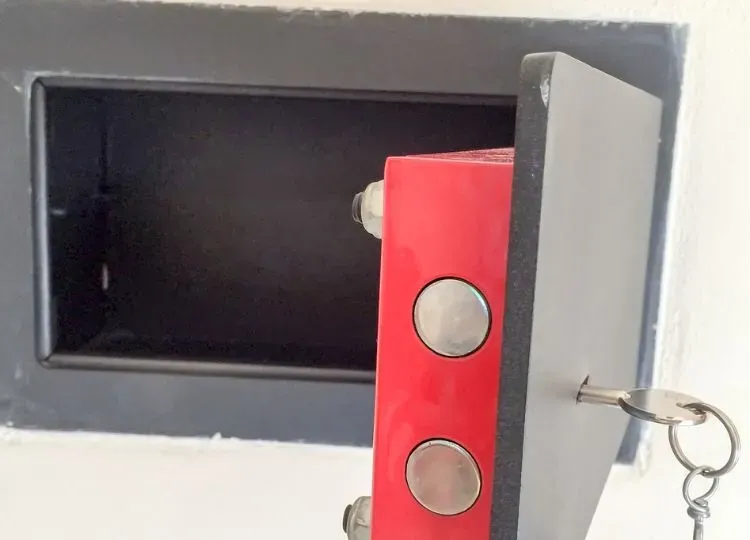
A wall safe is a security safe designed to be installed inside the wall between standard wall studs. Once installed, only the door remains visible, allowing the safe to be hidden behind a picture frame, mirror, cabinet, or other décor.
Unlike freestanding safes, wall safes don’t take up floor space, making them an excellent option for homes with limited room. While they may not hold large items, they are ideal for protecting smaller valuables such as:
- Cash
- Jewelry
- Passports
- Birth certificates and other important documents
- Family heirlooms
- Backup hard drives
- Small collectibles
When properly installed, a wall safe offers an extra layer of security while blending seamlessly into your home.
Benefits of Installing a Wall Safe at Home
A wall safe offers more than just a place to store valuables. It can improve both security and convenience.
Concealed Storage
One of the biggest advantages is that wall safes are naturally discreet. Since they’re built into the wall, they can easily be hidden behind artwork or furniture, making them less noticeable to visitors and potential intruders.
Saves Space
Unlike large floor safes, wall safes don’t occupy valuable living space. This makes them a practical choice for apartments, smaller homes, and rooms where every square foot counts.
Convenient Access
Although hidden, a wall safe remains easy for homeowners to access whenever important documents or valuables are needed. You won’t have to move heavy furniture or unlock a bulky cabinet.
Better Organization
Keeping valuable items in one secure location helps reduce clutter and ensures you always know where important belongings are stored.
Added Peace of Mind
Knowing that important documents and treasured possessions are protected can provide reassurance, especially when traveling or leaving your home for extended periods.
What to Consider Before Buying a Wall Safe
Not all wall safes are built the same. Before making your purchase, consider these important factors.
Choose the Right Size
Start by thinking about what you plan to store.
If you’re only securing passports, cash, and jewelry, a smaller safe may be sufficient. However, if you expect your storage needs to grow over time, choosing a slightly larger model can save you from replacing it later.
Keep in mind that wall safes must fit between wall studs, which can limit their width. Depth may also vary depending on your home’s construction.
Select the Best Lock Type
Wall safes are available with several locking options.
- Key Locks are simple and reliable but require keeping track of a physical key.
- Combination Locks don’t rely on batteries and offer dependable long-term performance, though opening them can take a little longer.
- Electronic Keypads allow quick access using a programmable PIN and are popular for everyday residential use.
- Biometric Locks use fingerprint recognition, offering fast access without remembering a code or carrying a key.
The best choice depends on your preferences, budget, and how frequently you’ll need access to the safe.
Look for Durable Construction
A quality wall safe should be built with strong materials that can resist forced entry.
Features worth considering include:
- Heavy-gauge steel construction
- Pry-resistant doors
- Reinforced locking bolts
- Tamper-resistant hinges
- Protective interior lining
Some models also include fire-resistant or water-resistant features to help protect documents during emergencies. While no safe is completely disaster-proof, these additional protections can offer valuable peace of mind.
Consider Installation Requirements
Installing a wall safe requires more than simply cutting a hole in drywall.
You’ll need to consider:
- Wall stud spacing
- Electrical wiring inside the wall
- Plumbing that may be hidden behind the surface
- Proper anchoring for maximum security
Improper installation can weaken the safe’s effectiveness or even damage your home’s structure. Having the safe professionally installed helps ensure it’s securely mounted and positioned in the best possible location.
Where Should You Install a Wall Safe?
Choosing the right location is almost as important as selecting the safe itself.
Common installation locations include:
- Bedroom closets
- Home offices
- Walk-in closets
- Hallway closets
- Private study rooms
The goal is to choose a location that’s convenient for you while remaining discreet. Avoid placing the safe in highly visible areas where someone could easily spot it during a quick search.
Many homeowners choose to conceal the safe behind framed artwork, mirrors, shelving, or cabinetry for an added level of privacy.
When Should You Call a Professional Locksmith?
A professional locksmith can help at every stage of owning a wall safe—not just during installation.
You may benefit from professional assistance if you need:
- Recommendations for choosing the right safe
- Expert installation
- Safe lock replacement or upgrades
- Assistance opening a locked or malfunctioning safe
- Lock repairs and routine maintenance
Proper installation and servicing help ensure your wall safe continues to provide reliable protection for years to come.
Conclusion
A wall safe can be an excellent investment for protecting important documents, jewelry, cash, and other valuable possessions without taking up extra floor space. By considering the right size, lock type, construction quality, and installation location, you can choose a safe that meets your household’s security needs.
If you’re ready to install a wall safe or need help selecting the right model, Driscoll’s Lock & Key can help. Our experienced locksmiths in Rockland provide professional safe installation, lock services, and expert guidance to help you better protect what matters most.
Give us a call or send us a message on our website for inquiries about our residential safe solutions.
Frequently Asked Questions
How secure is a wall safe?
A wall safe provides a high level of security when it’s made from durable materials and professionally installed. Its concealed location adds another layer of protection by making it less noticeable to potential intruders.
Can I install a wall safe myself?
Some wall safes are designed for DIY installation, but professional installation is recommended. A locksmith can ensure the safe is securely anchored and avoid damaging electrical wiring, plumbing, or the wall structure.
What can I store in a wall safe?
Wall safes are ideal for storing cash, jewelry, passports, birth certificates, legal documents, small electronics, backup drives, and other valuable personal items. Be sure to choose a safe that’s appropriately sized for your storage needs.
Are wall safes fireproof?
Not all wall safes are fire-resistant. If protecting important documents from fire is a priority, look for a model that has a certified fire rating. Some safes also offer water-resistant features for added protection.