
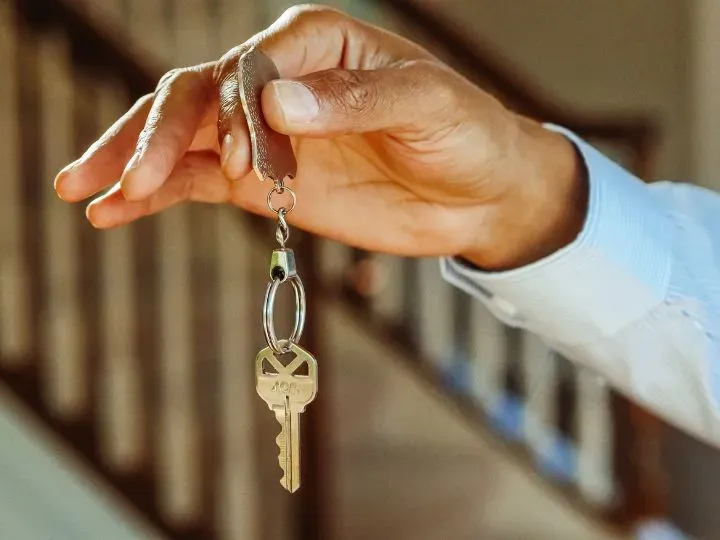
Managing rental properties involves countless responsibilities, but none is more critical than ensuring the security of your tenants and protecting your investment. When tenants move out and new ones move in, one security measure stands above all others in importance: rekeying the locks. This comprehensive guide will walk you through everything you need to know about maintaining security during tenant turnover through proper lock management.
Understanding the Security Risks of Tenant Turnover
Every time a tenant vacates your property, they create potential security vulnerabilities that extend far beyond the obvious. Former tenants may have distributed keys to family members, friends, contractors, or service providers during their tenancy. Even well-intentioned tenants might forget about spare keys they’ve hidden or given out over time.
The risks multiply when you consider that many tenants make unauthorized key copies at local hardware stores or give keys to people you’ve never met. Without proper rekeying, you’re essentially gambling with your new tenant’s safety and your property’s security. A single unreturned key in the wrong hands could lead to theft, property damage, or worse—creating liability issues that could cost you thousands in damages and legal fees.
Professional property managers understand that security isn’t just about preventing break-ins; it’s about creating peace of mind for tenants and protecting your reputation as a landlord. When tenants feel secure in their homes, they’re more likely to renew leases, take better care of the property, and recommend your services to others.
The Legal and Liability Implications
Most states don’t explicitly require landlords to rekey locks between tenants, but many local ordinances do mandate this practice. Beyond legal requirements, the liability implications of not rekeying are significant. If a former tenant or someone with access to old keys commits a crime on your property, you could face serious legal consequences.
Insurance companies increasingly scrutinize security measures when processing claims related to break-ins or theft. If they discover that locks weren’t changed between tenants, they might deny coverage or increase your premiums substantially. The relatively small cost of rekeying pales in comparison to potential legal fees, insurance deductibles, and civil lawsuit settlements.
Some states have specific statutes requiring landlords to provide secure premises, and courts have interpreted this to include changing locks between tenancies. Even without explicit legal requirements, maintaining proper security demonstrates due diligence and helps protect you from negligence claims.
When to Rekey: Timing Your Security Updates
The optimal time to rekey locks is immediately after a tenant vacates and before showing the property to prospective renters. This timing ensures maximum security while allowing you to provide keys to your leasing team or contractors who need access during the turnover period.
However, certain situations demand immediate rekeying regardless of your standard schedule. If a tenant breaks their lease suddenly, reports domestic violence issues, or leaves under hostile circumstances, rekey immediately. Similarly, if you discover that locks have been damaged, keys have been lost, or unauthorized copies have been made, don’t wait for the standard turnover period.
Emergency situations also warrant immediate attention. If a tenant reports a break-in attempt, suspicious activity around locks, or believes their keys have been stolen, arrange for rekeying within 24 hours. The cost of emergency service calls is minimal compared to the potential consequences of compromised security.
For properties with electronic or smart locks, the process differs but remains equally important. Update all access codes, remove previous tenant profiles from the system, and ensure any connected devices or mobile apps no longer have access to your property.
Rekeying vs. Replacing: Making the Right Choice
Understanding the difference between rekeying and lock replacement helps you make cost-effective security decisions. Rekeying involves changing the internal mechanism of existing locks so that old keys no longer work, while new keys are cut to match the new configuration. This process costs significantly less than replacing entire lock sets and can typically be completed quickly by a professional locksmith.
Lock replacement becomes necessary when hardware is damaged, worn out, or when you want to upgrade security features. Modern locks offer enhanced security features like bump resistance, pick resistance, and reinforced strike plates that older locks may lack. If your locks are more than five years old or show signs of wear, replacement might be more cost-effective in the long run.
Consider the type of rental property when making this decision. High-end rentals might benefit from lock replacement with premium hardware that matches the property’s quality level, while basic rental units might only need rekeying to maintain adequate security.
Smart lock installation presents another option worth considering during turnover periods. These systems eliminate key management issues entirely while providing detailed access logs and remote control capabilities. The higher upfront cost often pays for itself through reduced key cutting expenses and enhanced security features.
DIY vs. Professional Rekeying: Weighing Your Options
While rekeying kits are available at hardware stores, professional rekeying offers significant advantages for property managers. Professional locksmiths complete the job faster, ensure proper installation, and provide warranties on their work. They also carry insurance to protect against potential damage during the rekeying process.
The time investment for DIY rekeying often exceeds expectations, especially when you factor in learning curves, potential mistakes, and the need to purchase specialized tools. Professional locksmiths can typically rekey multiple locks in the time it takes an inexperienced person to complete one, making professional service cost-effective when you consider your hourly value.
Professional locksmiths also identify potential security vulnerabilities that property managers might miss. They can recommend upgrades, spot signs of attempted break-ins, and ensure that all locks function properly before you hand over keys to new tenants.
For property managers overseeing multiple units, establishing a relationship with a reliable locksmith creates operational efficiencies. Regular service providers often offer volume discounts and priority scheduling that can streamline your turnover process significantly.
Master Key Systems for Multi-Unit Properties
Property managers overseeing multiple units should consider implementing master key systems that allow for efficient access control while maintaining security. These systems enable you to access all units with a single master key while providing tenants with keys that only open their specific units.
Master key systems require professional installation and management, but they offer substantial operational benefits. Maintenance staff can access units quickly during emergencies, showing apartments becomes more efficient, and you’ll reduce the number of keys you need to manage and track.
However, master key systems require careful planning and professional maintenance. If not properly implemented, they can create security vulnerabilities or operational headaches. Work with an experienced commercial locksmith who understands multi-unit residential properties and can design systems that meet your specific needs.
Regular maintenance of master key systems prevents problems before they occur. Annual inspections ensure that locks function properly, keys haven’t been duplicated without authorization, and the system continues to meet your operational requirements as your property portfolio grows or changes.
Cost Considerations and Budgeting
Rekeying costs vary significantly based on lock type, number of units, and local service rates, but the investment typically ranges from $20 to $50 per lock for professional service. When budgeting for tenant turnover, include rekeying as a standard expense alongside cleaning, repairs, and maintenance.
Bulk pricing often applies when rekeying multiple units simultaneously, making it cost-effective to coordinate turnover timing when possible. Some locksmiths offer annual contracts or volume discounts that can reduce per-unit costs substantially for larger property management companies.
Factor in the complete cost of key management, including cutting new keys for tenants, providing spares, and maintaining records of key distribution. Professional rekeying often includes several new keys, reducing additional cutting costs and ensuring compatibility.
Consider the hidden costs of not rekeying, including potential liability, insurance implications, and the cost of dealing with security breaches. When viewed from a risk management perspective, professional rekeying represents excellent value for the security and peace of mind it provides.
Best Practices for Key Management
Implementing systematic key management practices protects your investment and simplifies operations. Maintain detailed records of when locks were rekeyed, which locksmith performed the work, and how keys were distributed. This documentation proves valuable for insurance claims, legal proceedings, and operational planning.
Establish clear policies for key distribution and collection. Require tenants to return all keys during move-out inspections, and consider charging deposits for unreturned keys to encourage compliance. Provide tenants with a specific number of keys and maintain records of how many were issued.
Create secure storage systems for master keys and spares. Key lockboxes, secure cabinets, or professional key management systems prevent unauthorized access while ensuring that authorized personnel can access keys when needed. Never leave keys in obvious locations or with unauthorized individuals.
Regular key audits help identify potential security gaps before they become problems. Quarterly reviews of key distribution, annual lock inspections, and immediate investigation of any key-related security concerns maintain the integrity of your security system.
Technology Integration and Future-Proofing
Modern property management increasingly relies on technology solutions that enhance security while simplifying operations. Smart locks with remote access capabilities eliminate many key management challenges while providing detailed access logs and enhanced security features.
Property management software can integrate with smart lock systems to automate access changes during tenant turnover. When a lease expires, the system automatically revokes access and generates new codes for incoming tenants, reducing manual processes and potential errors.
Consider the long-term technology trends in your market when making lock investment decisions. Properties with modern security features often command higher rents and attract quality tenants who value convenience and security.
However, don’t let technology completely replace fundamental security practices. Even smart locks require regular maintenance, software updates, and professional installation to function properly and maintain security.
Building Relationships with Security Professionals
Establishing relationships with qualified locksmith professionals creates operational advantages that extend beyond simple rekeying services. Experienced locksmiths become valuable partners who understand your properties, anticipate your needs, and provide reliable service when you need it most.
Local locksmith companies often provide faster response times and better service than large chains because they depend on repeat business and local referrals. They’re also more likely to offer flexible scheduling, emergency services, and competitive pricing for regular customers.
When evaluating locksmith services, consider factors beyond price. Licensing, insurance coverage, professional certifications, and local reputation indicate quality providers who will protect your interests and provide reliable service over time.
For property managers in the Rockland, NY area, Driscoll’s Lock & Key has built a reputation for reliable service and professional expertise in residential property management. Their understanding of local security concerns and commitment to prompt, professional service makes them a valuable resource for maintaining property security during tenant turnover and beyond.
Investing in Security and Peace of Mind
Proper lock management during tenant turnover represents a small investment that yields significant returns in security, liability protection, and operational efficiency. Professional rekeying protects your tenants, preserves your reputation, and demonstrates the level of care that attracts and retains quality renters.
The cost of rekeying is minimal compared to the potential consequences of compromised security, and the peace of mind it provides both you and your tenants is invaluable. By implementing systematic approaches to lock management and working with qualified professionals, you create a foundation of security that supports successful property management operations.
Remember that security is an ongoing process, not a one-time event. Regular maintenance, professional service, and attention to detail ensure that your properties remain secure and your tenants feel safe in their homes. This commitment to security ultimately protects your investment while contributing to a positive rental experience that benefits everyone involved.