When homeowners think about protecting their homes, they usually start with the lock. A strong deadbolt, smart lock, or upgraded entry system can certainly improve security, but there’s another part of the door that deserves just as much attention: the frame.
A door lock is only effective when the door, frame, strike plate, hinges, and surrounding structure can withstand the force placed on them. If the frame is cracked, damaged, poorly reinforced, or improperly installed, upgrading the lock alone may not solve the problem.
The good news is that many door frame weaknesses are easy to spot once you know what to look for. Here are some of the most common warning signs and what you can do about them.
Why Door Frame Security Matters
The frame holds the door in place and provides the points where the lock and hinges engage. During a forced-entry attempt, those components work together to keep the door closed.
A strong lock installed into a weak frame creates a security gap. The same applies when a door has a sturdy frame but damaged hinges or a poorly secured strike plate.
That is why it’s important to evaluate the entire entryway rather than focusing on the lock alone.
Older doors, frames that have experienced prior damage, and entryways exposed to moisture are especially worth inspecting.
6 Door Frame Weak Points to Watch For
1. A Loose or Poorly Secured Strike Plate
The strike plate is the metal component attached to the door frame where the latch or deadbolt enters when the door is closed.
If the plate is loose or attached only to the trim, the connection may not be as strong as it should be.
Signs to look for include:
- The strike plate moves when you push against it
- Screws appear loose or stripped
- The area around the plate is cracked or splintered
- The plate is attached to thin trim rather than solid framing
- Previous repairs are visible around the lock area
The exact hardware and screw length needed depend on the door and frame construction. In some situations, longer screws that extend into the structural framing can provide a more secure attachment, but simply using longer screws isn’t a substitute for proper installation.
2. Cracked, Soft, or Rotting Wood
Wooden door frames can deteriorate over time, particularly when they’re exposed to rain, humidity, leaks, or repeated moisture.
Look closely at the bottom corners of the frame and areas around the threshold. These locations can be especially susceptible to water damage.
Watch for:
- Soft or spongy wood
- Cracks or splits
- Discoloration
- Peeling paint or finish
- Visible rot
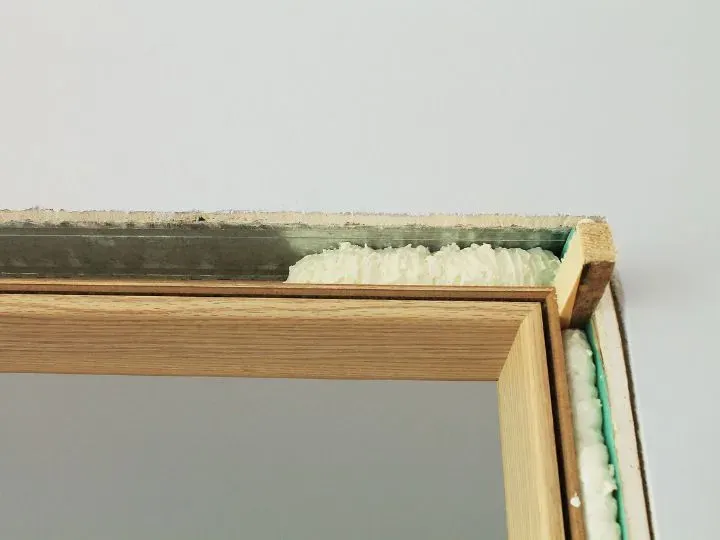
- Gaps between the frame and surrounding wall
A damaged frame should be repaired promptly. If deterioration is extensive, replacing part or all of the frame may be a better long-term solution.
3. Large or Uneven Gaps Around the Door
A small, consistent gap around a properly installed door is normal. Problems arise when the clearance is noticeably large or uneven.
Close the door and examine the perimeter. Does one side have a significantly larger gap than the other? Can you see daylight around portions of the frame? Does the door move or rattle when you push on it?
These problems can indicate that the door has shifted, the hinges have loosened, the frame has moved, or the door isn’t sitting correctly in the opening.
Not every gap is a security emergency, but unusual spacing is worth investigating—especially if the door also has trouble latching or locking.
4. A Frame That Moves or Flexes
A door frame should remain firmly positioned when the door is opened, closed, and locked.
If the jamb visibly moves when you apply moderate pressure, or if you notice movement between the frame and the wall, there may be an installation or structural issue that needs attention.
This is particularly important around the lock side of the door. The strike plate and deadbolt need a stable surface to function correctly.
Don’t assume that adding a stronger lock will fix the problem. If the frame itself is moving, the underlying issue should be addressed first.
5. Weak or Damaged Hinges
Homeowners tend to focus on the lock side of an exterior door, but the hinge side deserves attention too.
Check whether:
- Hinge screws are loose
- The door sags when opened
- The hinges show signs of rust or damage
- The door appears uneven when closed
- Exterior hinges are accessible from outside
If the hinges are loose, tightening or replacing the hardware may solve the problem. In some applications, security hinges or hardware designed to prevent the door from being easily separated from the frame may also be appropriate.
The right solution depends on the door’s construction and hinge configuration.
6. Previous Damage Around the Door Frame
A door frame that has already been damaged deserves a closer inspection.
Cracks, splintering, patched areas, or multiple old screw holes may indicate that the frame has been repaired or that the hardware has been moved previously.
Cosmetic repairs don’t always address underlying structural damage. If the frame has been weakened, simply installing a new lock over the damaged area may not provide the improvement you’re looking for.
How to Strengthen a Weak Door Frame
The appropriate fix depends on what’s actually wrong with the entryway.
For a relatively sound frame, improvements may include:
- Replacing worn or loose strike plate hardware
- Reinforcing the lock area
- Securing loose hinges
- Repairing minor wood damage
- Adjusting the door so it closes and latches correctly
- Replacing damaged weatherstripping
- Adding appropriate security hardware
More seriously damaged frames may require partial or complete replacement.
A door jamb reinforcement kit can also be an option in certain situations. These products are designed to strengthen vulnerable areas around the lock and jamb, but compatibility and installation matter.
If the frame has significant rot, movement, or structural damage, reinforcement hardware may not be enough. A professional can determine whether repair or replacement makes more sense.
Don’t Forget the Door Itself
Frame security is only one part of the equation.
The door should also be in good condition and appropriate for exterior use. A damaged, poorly fitted, or lightweight door can create another weak point even when the frame is sound.
The lock, hinges, door, strike plate, frame, and surrounding wall should work together as one system.
This is also why simply purchasing the most expensive deadbolt isn’t necessarily the best security upgrade. The hardware needs to match the existing door and frame.
When Should You Have Your Door Frame Inspected?
Some problems are easy to identify yourself, while others aren’t obvious until a professional examines the entryway.
Consider having your door evaluated if:
- The frame is cracked or visibly damaged
- Your door no longer closes or latches properly
- The lock feels loose
- The door has become difficult to open or close
- You’ve noticed movement around the jamb
- The entryway has experienced previous forced-entry damage
- You’re upgrading your locks and want to verify the frame can support the new hardware
- You’re unsure whether the existing frame provides adequate support
An inspection can help you avoid spending money on a new lock when the real problem is the door, frame, hinges, or installation.
Conclusion
Your door frame is quite literally the foundation of your home’s security system. While high-quality locks are essential, they can only function as intended when mounted in structurally sound frames. By understanding and addressing the vulnerabilities that burglars look for, you can significantly enhance your home’s resistance to forced entry attempts.
Remember that comprehensive security involves multiple layers of protection, starting with the structural integrity of your entryways. Regular inspection and maintenance of door frames should be part of every homeowner’s security routine, potentially preventing a costly and traumatic break-in before it occurs.
If you’re concerned about your door frame security or notice any of the warning signs mentioned above, consider consulting with a professional locksmith who specializes in comprehensive security solutions. Driscoll’s Lock & Key serves the Rockland and Orange County areas with expert door security assessments and reinforcement solutions that address both lock mechanisms and the structural components that support them.
Frequently Asked Questions
How do I know if my door frame is weak?
Look for cracks, rot, movement, loose hardware, large gaps, or damage around the strike plate and hinges. If the frame moves when the locked door is pushed, have it inspected.
Can a locksmith reinforce a door frame?
In many cases, yes. Depending on the condition of the frame, a locksmith may be able to reinforce the strike plate area, replace hardware, adjust the door, or recommend additional security hardware.
Should I replace a damaged door frame?
Minor damage may be repairable, while extensive rot, splitting, movement, or structural deterioration may justify replacement. A professional inspection can help determine the appropriate solution.
Is a stronger lock enough to secure my door?
Not always. The lock, strike plate, hinges, door, and frame all contribute to the security of the entryway. If one component is significantly weaker than the others, it can limit the effectiveness of an otherwise high-quality lock.