Your home’s security is only as strong as its weakest point, and for many properties, that critical line of defense is the humble deadbolt. While these mechanisms are designed for durability, they don’t last forever. Knowing when to replace your deadbolt can be the difference between adequate security and vulnerability.
Warning Signs of a Failing Deadbolt
Difficult Operation
If you’re struggling to turn the key or experiencing resistance when locking or unlocking your door, this is often the first indication something’s wrong. This difficulty can stem from internal component wear or misalignment issues that worsen over time.
Visible Damage
Inspect your deadbolt regularly for obvious signs of damage. Scratches around the keyhole might indicate tampering attempts, while rust or corrosion suggests environmental damage that can compromise internal mechanisms.
Loose Components
A secure deadbolt should feel solid when engaged. If you notice wobbling, rattling, or looseness in the lock cylinder or bolt, internal components may have worn down. This deterioration reduces security effectiveness significantly.
Key Issues
If your key sticks, requires jiggling, or doesn’t turn smoothly, the lock cylinder may be worn. Similarly, if you’ve had to have multiple copies made because keys keep breaking, the lock itself might be causing excessive wear on keys.
Age Considerations
Most quality deadbolts last between 7-10 years under normal use. If yours is approaching or exceeding this timeframe, consider a preemptive replacement, especially if it’s protecting a primary entry point.
When Technology Demands an Upgrade
After a Break-In Attempt
Any evidence of tampering or forced entry attempts warrants immediate replacement. Modern locks offer significantly improved security features compared to models from even five years ago.
Moving Into a New Home
Never trust existing locks when moving into a previously occupied property. Previous owners, contractors, or others may have copies of the keys, creating an unnecessary security vulnerability.
Outdated Security Standards
Lock technology has advanced considerably. Older deadbolts may not meet current security standards for pick resistance, bump protection, or drill shields. Upgrading provides access to these critical security improvements.
Smart Home Integration
Today’s deadbolts can integrate with home security systems, allowing remote locking, temporary access codes for visitors, and activity monitoring—features absent in traditional deadbolts.
Choosing the Right Replacement
When selecting a new deadbolt, consider factors like:
- ANSI security grading (Grade 1 offers highest security)
- Material quality (solid brass components last longer than zinc alloy)
- Key control features that prevent unauthorized duplication
- Smart connectivity options if desired
- Compatibility with your door’s dimensions
Professional Installation Matters
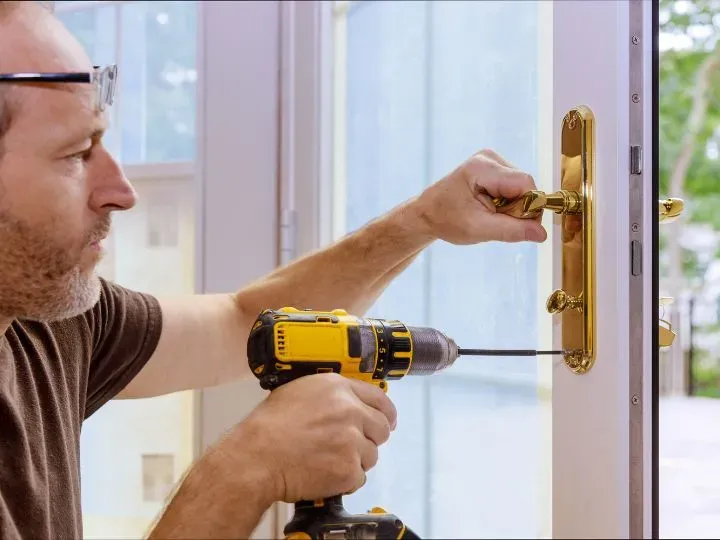
While DIY installation might seem cost-effective, professional installation ensures:
- Proper alignment for smooth operation
- Correct positioning for maximum security
- Identification of door issues that might compromise even the best locks
- Expert advice on complementary security measures
Taking Action
Don’t wait until a security breach occurs to address deadbolt issues. If you’ve noticed any warning signs mentioned above, it’s time to consult with security professionals.
Driscoll’s Lock & Key has been serving Rockland, NY and Orange County residents with trusted locksmith services for years. Their technicians can evaluate your current deadbolt, recommend appropriate replacements, and ensure professional installation that maximizes your door’s security potential.
Remember that your deadbolt is an investment in both security and peace of mind—one that deserves timely attention and occasional upgrades as technology and your security needs evolve.