In an era where smart home technology has revolutionized residential security, observant Jewish families face a unique challenge: how to embrace modern conveniences while maintaining strict adherence to Shabbat and holiday restrictions. Smart locks, with their advanced features and electronic components, present both opportunities and obstacles for those who observe religious laws governing the use of electricity and technology during sacred times.
The intersection of modern security technology and religious observance has sparked extensive discussion among rabbinical authorities, technology companies, and Jewish communities worldwide. As smart locks become increasingly mainstream, understanding their compatibility with Shabbos observance has become essential for families seeking both security and spiritual compliance.
Understanding the Religious Framework
The primary concern surrounding smart locks and Shabbat observance centers on the prohibition of performing “melachah” (forbidden work) during Shabbat and Jewish holidays. Most smart locks create electronic logs every time they are opened or closed, and this logging activity can constitute a violation even when using the mechanical components of the lock.
According to prominent rabbinical authorities like Rav Eliyashiv, if someone benefits from the electronic activity (such as the security logging system), this constitutes “Neicha Lei” – a situation where the person derives benefit from the forbidden action, making it problematic even if unintended. However, other authorities like Rav Mordechai Willig rule more leniently, viewing situations where the homeowner doesn’t directly benefit from the logging as “Lo Neicha Lei” – not beneficial.
The complexity of these rulings highlights the importance of consulting with qualified rabbinical authorities for specific situations and understanding the various approaches to this evolving area of halachic (Jewish law) discussion.
Traditional Shabbos Lock Solutions
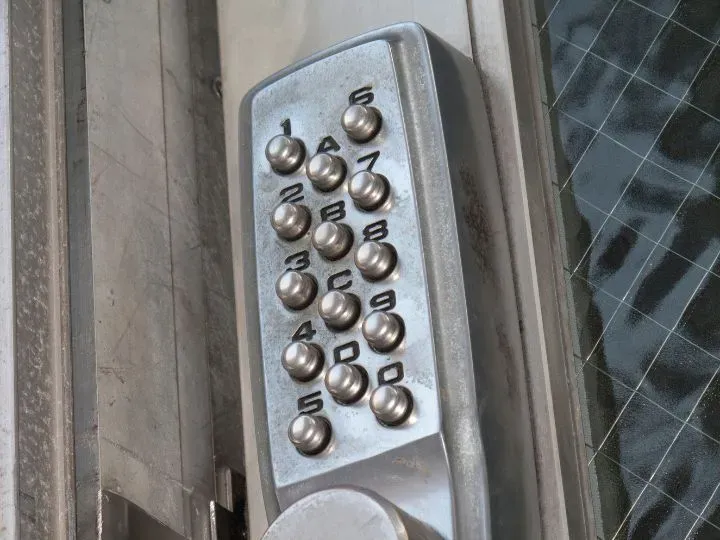
Before exploring smart lock adaptations, it’s important to understand traditional Shabbos-compliant locking solutions. Mechanical combination locks specifically designed for Shabbos use have been available for years, featuring no electrical components and operating purely through physical mechanisms. These Shabbos locks are typically deadbolt-style mechanical push-button locks that don’t require batteries and must be manually re-locked each time.
Traditional Shabbos locks offer several advantages:
- No electrical components or batteries
- Simple mechanical operation
- Weather-resistant construction
- Programmable combinations that can be changed without removing the lock
- Universal compatibility with most door configurations
Smart Lock Technology and Sabbath Concerns
Modern smart locks offer unprecedented convenience and security features, but they also present unique challenges for Sabbath observance. Contemporary smart locks typically include features like remote access, auto-locking mechanisms, smartphone app control, real-time notifications, and comprehensive logging systems.
The primary Sabbath-related concerns with standard smart locks include:
Electronic Logging: Most smart locks automatically record every entry and exit event, sending electronic signals to connected apps or cloud services. This constant electronic activity occurs regardless of whether the mechanical key or electronic keypad is used.
Auto-Locking Features: Many smart locks include automatic locking mechanisms that engage after a specified time period, typically 30 seconds to several minutes after the door is opened. This electrical activation can be problematic when triggered by Sabbath activities.
Network Connectivity: Smart locks maintain constant communication with home Wi-Fi networks, smartphone apps, and cloud services, creating ongoing electronic activity that may violate Sabbath restrictions.
Motion Sensors and Alerts: Advanced models include sensors that detect door position and movement, triggering electronic responses that could constitute forbidden work.
Potential Solutions and Workarounds
Several approaches have been developed to address smart lock Sabbath compatibility, though each requires careful consideration and rabbinical guidance.
Wi-Fi Bridge Disconnection
One proposed solution involves using smart switches to automatically disconnect the Wi-Fi bridge that connects smart locks to internet services during Sabbath hours. This approach works particularly well with locks like the August Smart Lock system, where the Wi-Fi connectivity bridge can be placed on a programmable smart switch that turns off before Sabbath begins and turns back on after Sabbath ends.
This method potentially addresses the logging concerns by preventing the transmission of entry/exit data during Sabbath observance while maintaining the physical security benefits of the smart lock system.
Manual Mode Features
Some manufacturers have begun incorporating specific “manual modes” or “Sabbath modes” into their smart locks, such as the Yale Linus™ L2 smart lock, which includes a manual mode approved by the Tzomet Institute that allows manual operation with a traditional key.
These purpose-built features represent a growing awareness among manufacturers of the need to accommodate religious observance within modern security technology.
Hybrid Installation Approaches
Certain smart locks, like the August model, can be installed as add-ons to existing traditional locks rather than complete replacements, allowing users to maintain a fully mechanical backup system. This configuration preserves the option of purely mechanical operation when needed while providing smart features during the week.
Professional Installation and Consultation
The complexity of integrating smart lock technology with religious observance requirements makes professional consultation essential. Experienced locksmiths who understand both the technical aspects of modern security systems and the unique needs of observant families can provide invaluable guidance.
Professional locksmith services, such as those provided by established companies like Driscoll’s Lock & Key, offer expertise in electronic lock installation and can help navigate the technical considerations involved in smart lock selection and configuration. Their experience with traditional and electronic locking systems provides valuable perspective when evaluating options that balance modern security needs with religious requirements.
Current Market Options
Schlage Connect Series
The Schlage Connect offers a mechanical deadbolt on the interior side that operates independently of the electronic components. However, the automatic logging features present ongoing Sabbath concerns that require technological solutions or rabbinical guidance for use.
August Smart Lock Systems
August smart locks work as retrofits to existing traditional locks, maintaining the original mechanical lock on the exterior while adding smart functionality to the interior. The availability of a Wi-Fi bridge that can be independently controlled makes this system potentially adaptable for Sabbath use.
Yale Linus™ L2
The Yale Linus™ L2 represents one of the first mainstream smart locks to explicitly address religious observance needs with a built-in manual mode approved by religious authorities. This model demonstrates the potential for manufacturer-level solutions to accommodation religious requirements.
Combination Lock Alternatives
For families prioritizing simplicity and religious compliance, mechanical combination locks designed specifically for Shabbos use remain a reliable option, offering keyless convenience without any electronic components.
Installation and Technical Considerations
Battery Management
Most smart locks operate on battery power, typically lasting 6-12 months depending on usage patterns. For Sabbath-observant families, understanding battery life cycles and planning replacement schedules becomes particularly important to avoid emergency situations during religious observance periods.
Backup Access Methods
Smart lock installations should always include reliable backup access methods. Many systems maintain compatibility with traditional keys even when smart features are active, providing security against both technical failures and religious observance restrictions.
Home Integration Considerations
When evaluating smart locks for Sabbath-observant households, consider the broader smart home ecosystem. Locks that require constant interaction with other smart home devices may present additional complications for religious observance.
Expert Recommendations and Best Practices
Rabbinical Consultation
Before installing any smart lock system, observant families should consult with qualified rabbinical authorities who understand both the technical aspects of the specific lock model and the relevant halachic considerations. Different communities and authorities may have varying approaches to these questions.
Technical Documentation
Maintain detailed documentation of smart lock configurations, including any Sabbath-specific settings or disabled features. This information proves valuable for troubleshooting and ensures compliance consistency.
Professional Maintenance
Professional installation and ongoing maintenance are crucial for ensuring that smart locks function properly and continue to meet both security and religious requirements over time. Regular service helps prevent unexpected failures that could create difficult situations during Sabbath observance.
Future Developments
The growing awareness of religious accommodation needs in the smart home industry suggests that future smart lock developments may increasingly incorporate features designed for Sabbath observance. Manufacturers are beginning to recognize that addressing these requirements can expand their market reach while demonstrating cultural sensitivity.
Industry trends toward greater customization and user control over smart device features also create opportunities for more sophisticated Sabbath-compatible configurations in future products.
Conclusion
The integration of smart lock technology with Sabbath observance represents a complex but manageable challenge for modern Jewish families. While traditional mechanical solutions remain the most straightforward approach for ensuring religious compliance, technological solutions and manufacturer accommodations are expanding the options available to observant families.
Success in implementing Sabbath-friendly smart lock solutions requires careful research, professional guidance, and ongoing consultation with both technical experts and rabbinical authorities. Whether opting for high-tech smart lock features or simpler electronic lock solutions, the key lies in finding systems that provide security and convenience while respecting religious obligations.
For families in the market for smart lock solutions, working with experienced security professionals who understand both the technical requirements and the unique needs of observant households can help ensure that modern home security enhances rather than complicates religious observance. The goal is to find solutions that bring peace of mind both in terms of physical security and spiritual compliance.
As technology continues to evolve, the prospects for increasingly sophisticated Sabbath-compatible smart lock solutions will likely continue to improve, offering observant families greater options for integrating modern security with traditional religious practice.