For observant Jews, Shabbat, or Shabbos, is a sacred time, a 25-hour period of rest during which certain types of work, including operating electricity, are prohibited. This can create challenges in modern homes, where electronic devices and smart systems are commonplace. One area where this tension arises is in door security.
Traditional electronic locks, motion sensors, and keypads often conflict with the halachic (Jewish law) restrictions on Shabbat. This is where Shabbos-friendly locks come in. Shabbos-friendly locks, sometimes called Shabbat locks, are designed to allow safe and secure access while ensuring compliance with religious observances.
In this article, we’ll explore the technical workings of these locks, their various types, and the practical considerations for installing them in homes and businesses.
The Problem: Electricity and Shabbat Observance
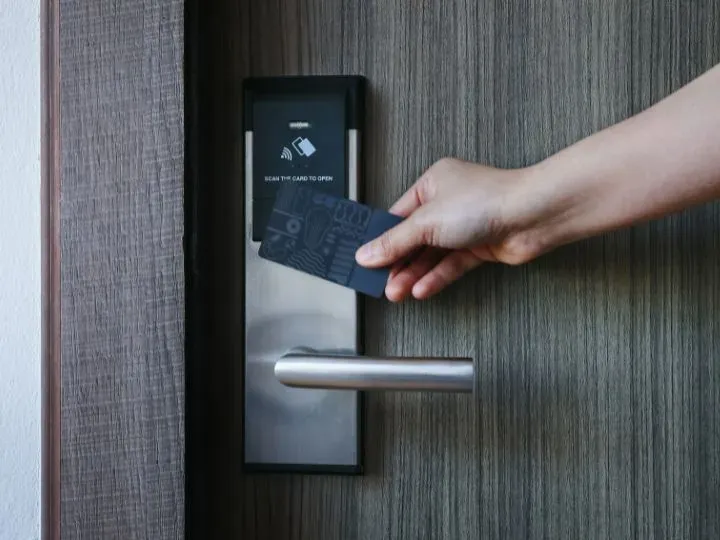
The core issue with standard electronic locks is simple: activating them usually triggers an electrical circuit.
On Shabbat, Jewish law forbids the act of generating sparks, closing electrical circuits, or completing an electrical action that produces a measurable effect. In everyday terms, pressing a keypad, opening a door that activates a sensor, or triggering a motorized lock can all be considered “work” that violates Shabbat restrictions.
For example, many smart locks automatically engage or disengage when a door is opened. Motion-sensor lights, automatic door closers, and alarms can also unintentionally activate, creating a situation where a simple act like entering your own home becomes halachically complex.
Shabbos-friendly locks solve this by allowing passage without generating electrical activity, ensuring that entering or exiting a space does not violate Shabbat rules.
Shabbos-Friendly Lock Technology
Shabbos-friendly locks employ a combination of mechanical design, electronic adjustments, and power management to comply with religious requirements. Let’s break down the main technical strategies behind these locks.
Mechanical Modifications
Some Shabbos-friendly locks are purely mechanical. These systems allow doors to open freely in one direction or enable users to manipulate the handle without triggering any electronics. For instance, a lock might disengage the electronic component during Shabbat, allowing the door to operate like a traditional mechanical lock. This ensures that no electrical circuit is completed when someone uses the door.
Electronic and Smart Lock Adjustments
For homes with smart locks, manufacturers often include a Shabbat mode. This feature temporarily disables electronic components such as keypads, sensors, and automatic locking mechanisms. While in Shabbat mode, the lock can still function manually, letting residents enter and exit freely without generating electrical activity.
Some smart locks also incorporate timers. This allows the lock to automatically engage or disengage without human intervention, meaning that necessary electronic functions occur passively, outside the constraints of Shabbat observance. In essence, these systems shift the electrical activity to a time when Shabbat rules are not in effect.
Power Management and Circuit Design
From an engineering standpoint, Shabbos-friendly locks must carefully control how and when electricity flows. Many use low-power standby modes or momentary bypass circuits to prevent electrical current from being triggered when doors are opened or closed. Some even use magnetic or mechanical triggers that simulate traditional lock functions without activating electronics.
For example, a magnetic sensor might detect that a door has been closed but store that information internally until after Shabbat, preventing any immediate electrical response. These designs require precise calibration to balance functionality, security, and religious compliance.
Installation and Practical Considerations
Installing a Shabbos-friendly lock requires more than just plugging in a device. Professional installation ensures both technical reliability and halachic compliance. Incorrect installation could inadvertently trigger electrical activity, defeating the purpose of the lock.
Homeowners should also consider how these locks interact with other systems. For example, doorbell cameras, alarms, and smart home integrations may need adjustments to prevent unintended activation during Shabbat. Many manufacturers provide guidance for configuring locks in Shabbat mode, but professional consultation is recommended.
Maintenance is another factor. Since these locks combine mechanical and electronic components, regular inspections help ensure both security and compliance. Selecting a lock with a proven track record, reputable certification, and compatibility with your doors will prevent issues before they arise.
Benefits and Limitations
Shabbos-friendly locks offer several clear advantages:
- Security and Peace of Mind: Homeowners can maintain robust protection while observing Shabbat.
- Halachic Compliance: Locks prevent unintentional violations of Shabbat rules.
- Ease of Use: Many locks provide simple, manual access alongside smart features.
However, there are limitations to consider:
- Higher Cost: These specialized locks are generally more expensive than standard models.
- Technical Complexity: Installation and troubleshooting may require professional expertise.
- Reduced Smart Features During Shabbat: Some functions may be disabled while in Shabbat mode, limiting convenience temporarily.
Despite these limitations, the benefits, especially for observant families, often outweigh the costs.
Conclusion
Shabbos-friendly locks exemplify how modern technology can coexist with religious observance. For anyone considering a Shabbos-friendly lock, consulting both a rabbinic authority and a professional locksmith is crucial. This ensures that your system is not only technically sound but also fully aligned with Shabbat observance.
At Driscoll’s Lock & Key, we specialize in providing and installing locks that meet these needs, offering peace of mind for families who want security without compromise. Reach out to us today to provide secure, convenient, and halachically compliant access for homes and businesses.