When it comes to home security, few things are as critical as your door locks. A sturdy deadbolt can be the difference between keeping intruders out and leaving your home vulnerable. But not all deadbolts are created equal.
From materials to design, deadbolts vary in strength, durability, and resistance to tampering. This is where deadbolt grades come in, a standardized system that helps you determine how secure a lock truly is.
In this guide, we’ll break down what deadbolt grades mean, what makes a lock high-security, and how to choose the right deadbolt to keep your home safe.
Understanding Deadbolt Grades
Deadbolt grades are a rating system created by the American National Standards Institute (ANSI) and the Builders Hardware Manufacturers Association (BHMA).
These standards test deadbolts for durability, strength, and resistance to forced entry. Deadbolts are rated as Grade 1, Grade 2, or Grade 3, with Grade 1 being the highest level of security.
Grade 1 Deadbolts
Grade 1 deadbolts are the strongest and most durable, often referred to as “commercial-grade.”
They are designed to withstand heavy use, including thousands of cycles of locking and unlocking, as well as high levels of force like prying and drilling. Grade 1 locks are ideal for front doors, commercial buildings, or any entry point with high security needs.
Grade 2 Deadbolts
Grade 2 deadbolts are the standard residential grade. They offer decent protection and durability but are not as resistant to forced entry as Grade 1. These locks are a common choice for average homes and provide reliable security at a moderate price.
Grade 3 Deadbolts
Grade 3 is the basic residential grade. These locks meet minimum standards for security and durability but are less resistant to picking, bumping, and physical attacks. Grade 3 deadbolts are suitable for interior doors or secondary access points that do not face high security risks.
What Makes a Deadbolt High-Security
While deadbolt grade is an important factor, several other features contribute to a lock’s overall security.
Here’s what to look for when choosing a high-security deadbolt:
- Material Quality: High-security deadbolts use hardened steel for the bolt and reinforced materials for the housing. This prevents cutting, sawing, or prying attacks.
- Bolt Design: The length and design of the bolt are critical. Longer “throw” bolts (typically one inch or more) reach deeper into the door frame, making it harder to kick in. Some high-security locks feature multi-point locking mechanisms for added protection.
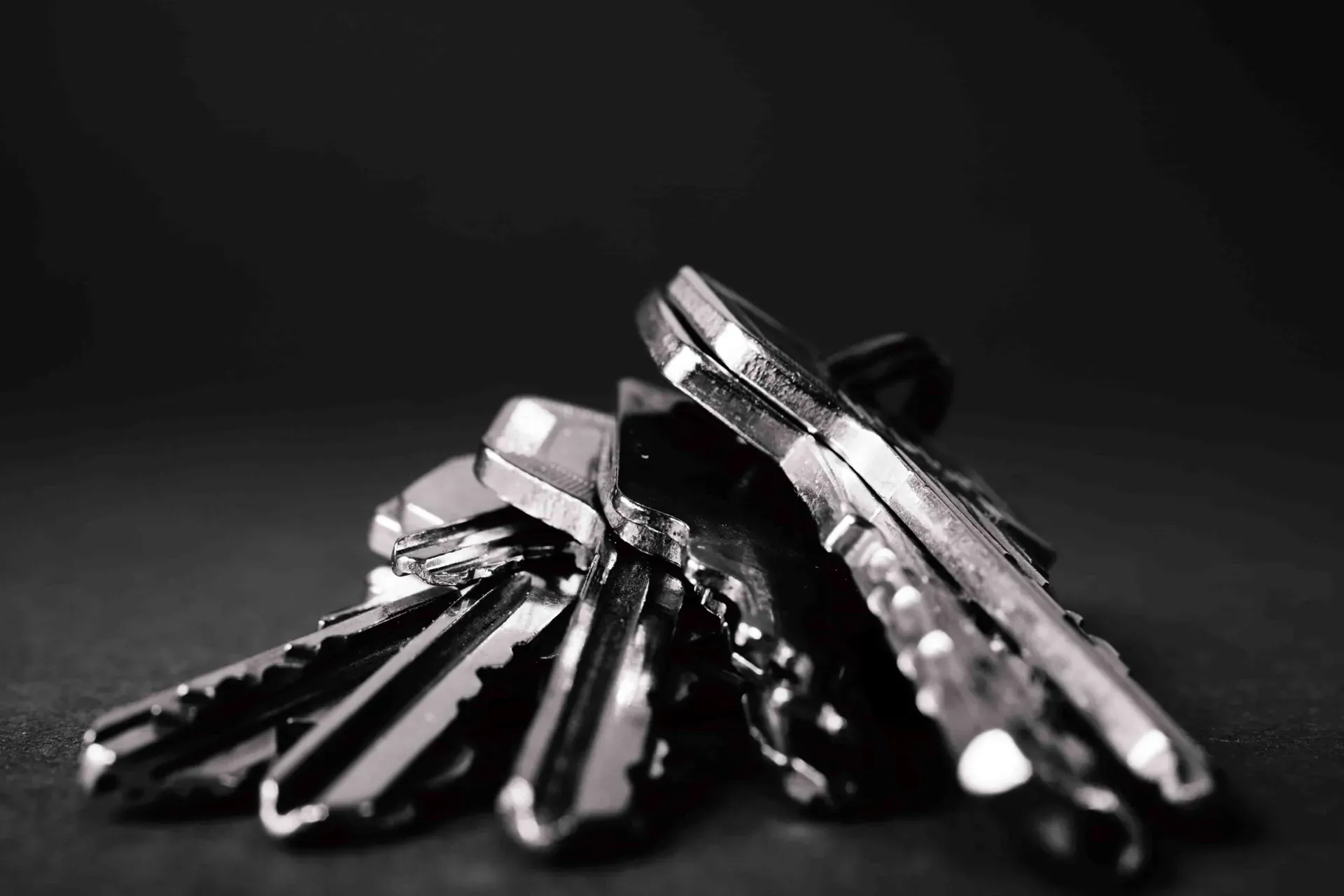
- Key Control: High-security deadbolts often come with patented keys that cannot be easily duplicated. This prevents unauthorized copies from being made without proper authorization.
- Resistance to Attacks: A truly high-security deadbolt resists common forms of entry, including lock picking, bumping, and drilling. Features such as anti-pick pins and reinforced strike plates enhance this protection.
- Certifications: Look for locks that meet certifications like UL 437 or BHMA Grade 1. These independent certifications ensure the lock has undergone rigorous testing for strength and tamper resistance.
Choosing the Right Deadbolt for Your Home
Selecting the right deadbolt depends on your home’s security needs, the type of door, and your budget. Here are some guidelines:
- Front Doors: For maximum security, opt for a Grade 1 or high-quality Grade 2 deadbolt. If your home is in a high-crime area or you want commercial-level protection, Grade 1 is the safest choice.
- Interior Doors: Grade 2 or 3 deadbolts may be sufficient for interior doors, such as a home office or storage room. These locks provide basic protection without the higher cost of commercial-grade hardware.
- Door Material & Thickness: Ensure your deadbolt is compatible with your door. Some locks are designed for standard 1.75-inch doors, while reinforced or commercial doors may require special bolts or longer screws.
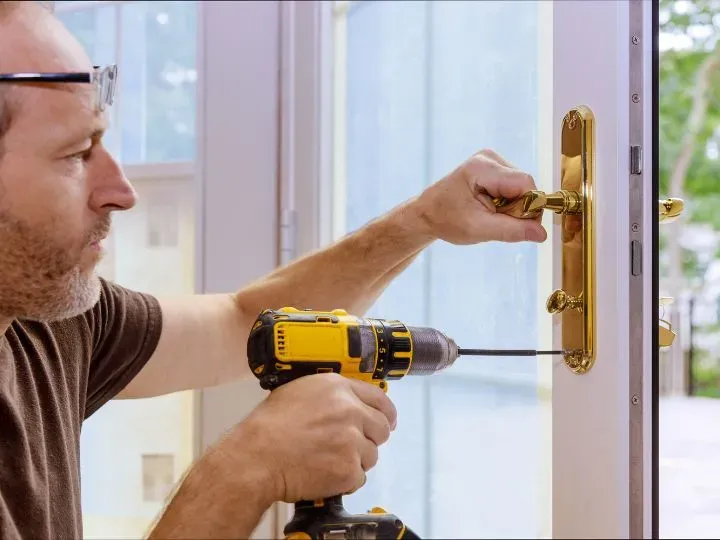
- Professional Installation: Even the strongest deadbolt is only as effective as its installation. Professional installation ensures that the bolt is properly aligned, the strike plate is reinforced, and all hardware is secured.
- Budget Considerations: While Grade 1 locks tend to cost more, investing in a high-security deadbolt for main entry points is a worthwhile expense for peace of mind. Interior or secondary doors can use more affordable options without compromising overall home security.
Maintenance and Tips for Longevity
A high-quality deadbolt requires minimal maintenance, but a few simple steps can ensure it continues to protect your home effectively:
- Lubrication: Use graphite or a dry lubricant for the keyway. Avoid oil-based lubricants, which can attract dirt and gum up the mechanism.
- Regular Inspection: Check strike plates, bolts, and screws periodically to ensure nothing is loose or worn. Reinforce any weak points with longer screws or reinforced plates.
- Timely Replacement: Even durable locks can wear over time. Replace worn or damaged deadbolts promptly to maintain security.
Proper maintenance not only prolongs the life of your deadbolt but also keeps your home secure year after year.
Conclusion
Understanding deadbolt grades is the first step toward a safer home.
While Grade 1 deadbolts offer the highest level of protection, other factors such as materials, bolt design, key control, and installation play a critical role in security. Choosing the right deadbolt for your entry points and maintaining it properly ensures your home is protected against intruders and keeps your family safe.
Investing in a high-quality deadbolt is more than just a purchase it’s peace of mind. For expert advice and professional installation, consult a trusted locksmith like Driscoll’s Lock & Key to make sure your home is secured with the best possible protection.