Your home’s security depends heavily on the reliability of your locks, yet these essential components are often overlooked until they fail. Regular maintenance not only extends the lifespan of your security hardware but also ensures consistent performance when you need it most. A well-planned maintenance schedule can prevent costly emergency repairs and maintain the integrity of your home’s first line of defense.
Understanding Lock Components and Wear Patterns
Modern locks contain numerous precision components that work together to provide security and smooth operation. The cylinder, pins, springs, and strike plates all experience wear over time due to regular use, weather exposure, and environmental factors. Understanding how these components deteriorate helps establish an effective maintenance timeline.
Pin tumbler locks, the most common residential lock type, rely on precise alignment of pins within the cylinder. Over time, metal wear, dirt accumulation, and lubrication breakdown can cause these mechanisms to stick or fail completely. Deadbolts face additional stress due to their extended throw and the force applied during operation.
External factors significantly impact lock longevity. Coastal environments accelerate corrosion due to salt air, while extreme temperature fluctuations can cause metal expansion and contraction that affects internal tolerances. Urban areas with high pollution levels may experience faster buildup of contaminants within lock mechanisms.
Monthly Maintenance Tasks
Basic monthly maintenance requires minimal time but provides substantial benefits for lock performance. Visual inspection forms the foundation of any maintenance routine, allowing early detection of problems before they become serious issues.
Examine each lock for signs of corrosion, loose screws, or misalignment. Check that keys insert and turn smoothly without binding or excessive force. Door locks should engage and disengage cleanly, while deadbolts should extend fully and retract without resistance.
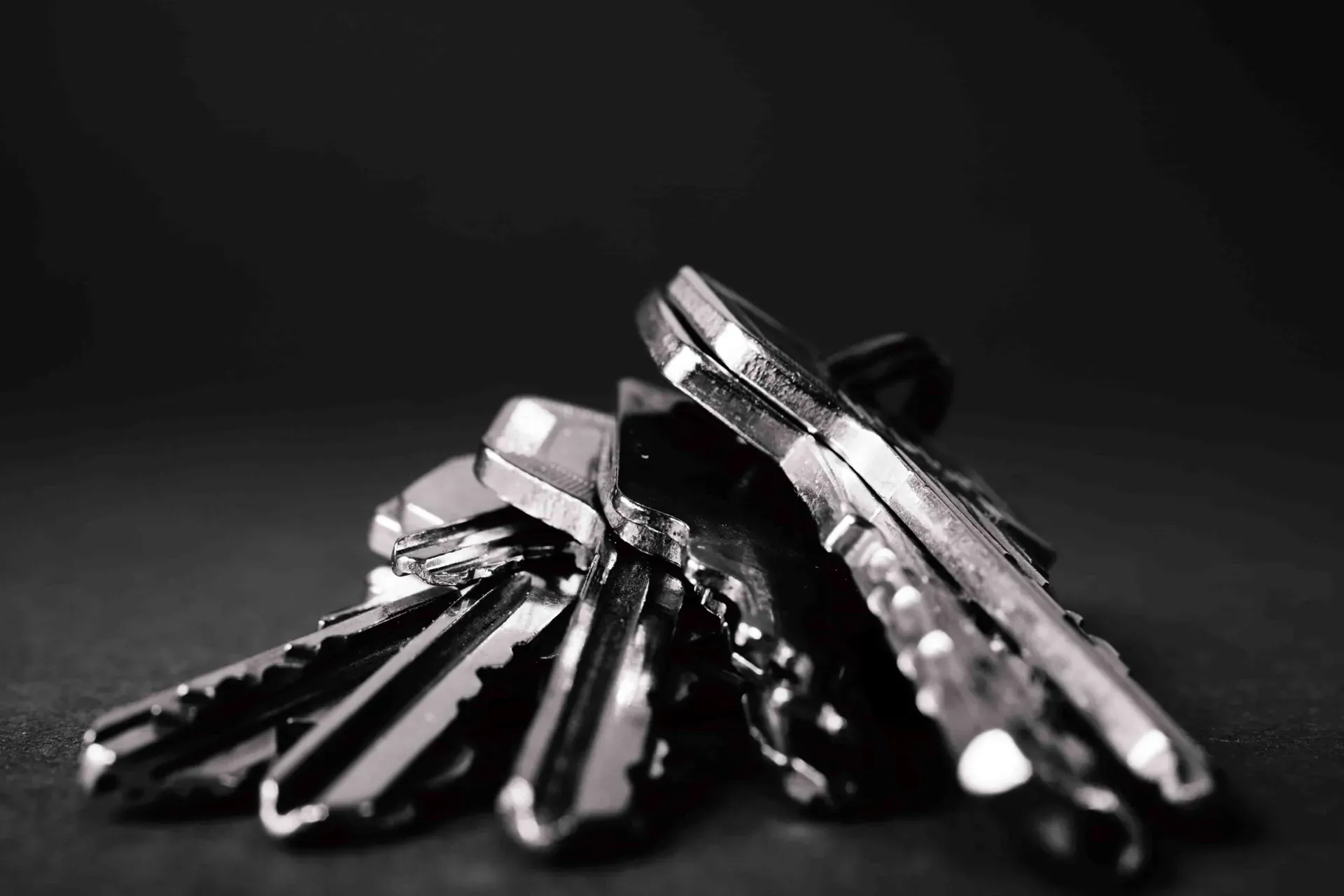
Test all keys associated with each lock, including backup copies that may have developed wear patterns different from daily-use keys. Keys that require wiggling or precise positioning often indicate internal wear that will worsen without attention.
Clean exterior surfaces using appropriate materials for your lock’s finish. Brass and bronze locks benefit from specialized cleaners, while stainless steel and nickel-plated locks can be maintained with mild soap solutions. Avoid abrasive cleaners that can damage protective coatings.
Quarterly Deep Cleaning and Lubrication
Every three months, locks require more thorough attention to remove accumulated debris and refresh lubrication. This deeper maintenance addresses issues that monthly inspections might miss and prevents the gradual degradation that leads to premature failure.
Begin by removing loose dirt and debris from around the lock body and keyway. Compressed air effectively clears particles from internal mechanisms without disassembly. For stubborn buildup, a soft brush can dislodge contaminants, but avoid pushing debris deeper into the mechanism.
Lubrication represents the most critical aspect of quarterly maintenance. However, choosing the wrong lubricant can cause more harm than good. Petroleum-based products attract dirt and can gum up over time, while household oils may contain additives that damage internal components.
Graphite-based lubricants work exceptionally well for lock cylinders, providing smooth operation without attracting contaminants. Apply sparingly to the keyway and work the key several times to distribute the lubricant throughout the pin chambers. For moving parts like deadbolt mechanisms, light machine oil or specialized lock lubricants provide optimal results.
Pay special attention to exterior locks exposed to weather. These units face the greatest environmental challenges and benefit from slightly more frequent lubrication, particularly before seasonal weather changes.
Annual Professional Inspection
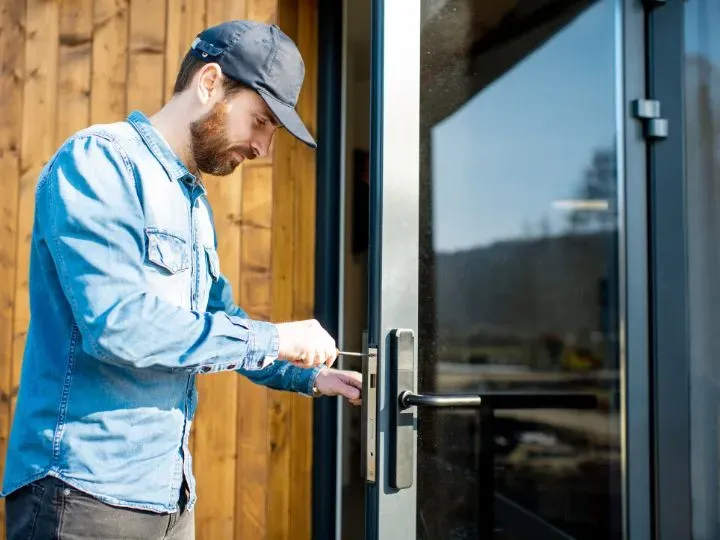
While homeowner maintenance handles routine care, annual professional inspection identifies issues requiring specialized knowledge and tools. Experienced locksmiths can detect subtle problems that might escape notice during regular maintenance routines.
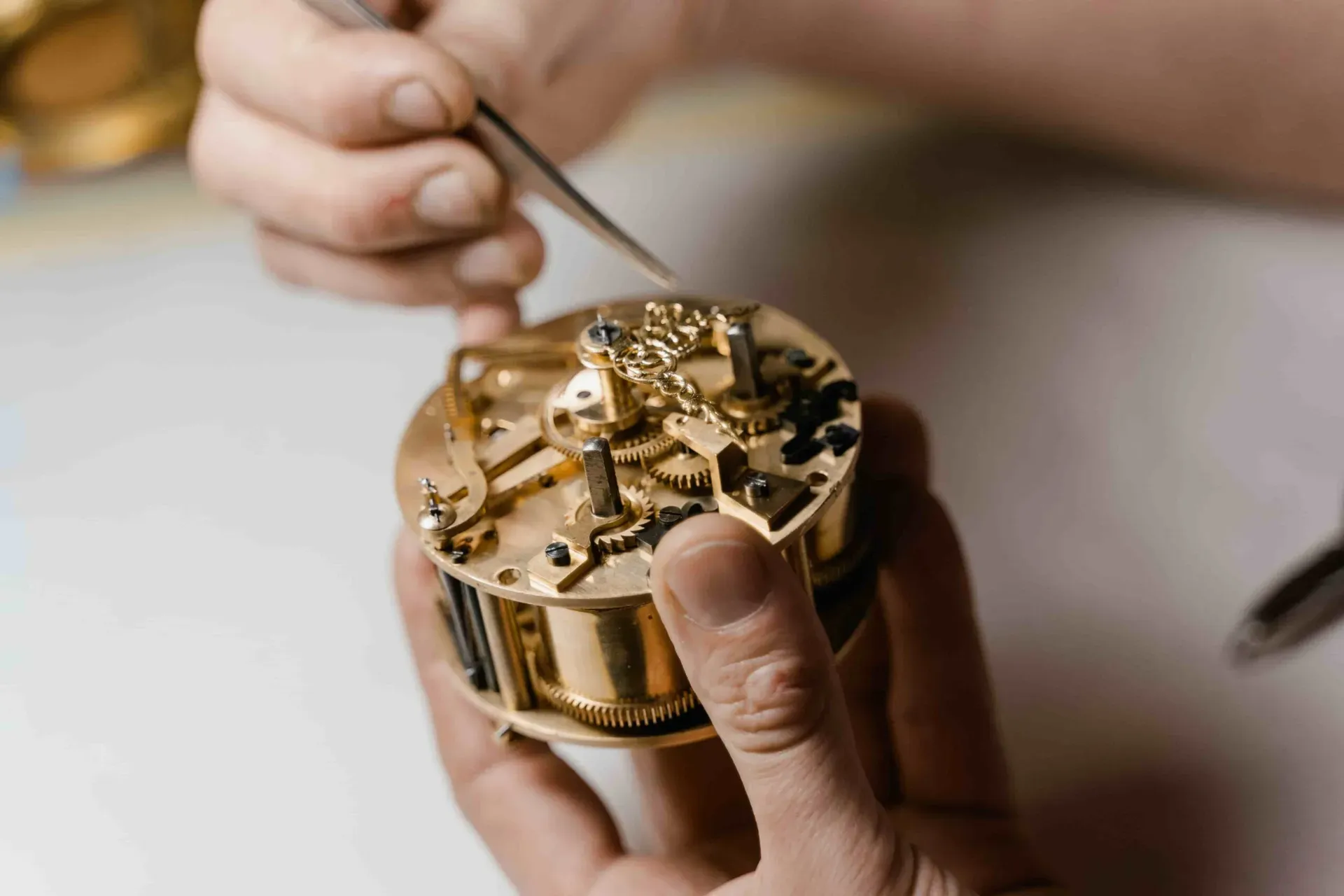
Professional inspection typically includes detailed examination of internal components, measurement of wear patterns, and assessment of overall lock integrity. Locksmiths possess specialized tools for measuring pin wear, cylinder tolerances, and spring tension that determine whether components need replacement.
Security assessment forms another crucial element of annual inspection. Technology advances and security standards evolve, making locks that were adequate years ago potentially vulnerable to modern techniques. Professional evaluation can identify upgrade opportunities that enhance security without requiring complete replacement.
During annual service, professionals can also address issues like key duplication quality and master key system maintenance. Poor quality duplicate keys accelerate lock wear and may compromise security, while master key systems require precise maintenance to function properly.
Seasonal Adjustments and Weather Preparation
Climate changes throughout the year create specific maintenance needs that vary by season and geographic location. Preparing locks for seasonal conditions prevents weather-related failures and extends component life.
Spring preparation involves addressing winter damage and preparing for increased humidity. Check for corrosion that may have developed during winter months, particularly on exterior hardware. Clean and lubricate mechanisms that may have suffered from road salt exposure or freeze-thaw cycles.
Summer maintenance focuses on expansion-related issues and increased usage patterns. High temperatures can cause metal expansion that affects lock operation, while vacation seasons may require temporary security modifications or increased attention to lesser-used entrances.
Fall represents the ideal time for comprehensive preparation before harsh winter conditions. Apply protective treatments to exterior finishes, ensure proper drainage around door frames, and verify that weather stripping doesn’t interfere with lock operation.
Winter brings unique challenges including freeze-thaw cycles, road salt exposure, and reduced daylight for maintenance activities. De-icing products can corrode lock components, making protective measures essential for exterior hardware.
Identifying When Professional Help Is Needed
Recognizing the signs that indicate professional intervention saves time and prevents costly damage. Certain symptoms require immediate attention, while others suggest underlying issues that will worsen over time.
Keys that require excessive force or precise positioning indicate internal wear or misalignment. While lubrication might provide temporary relief, persistent problems usually require component replacement or adjustment that exceeds typical homeowner capabilities.
Locks that work intermittently often have worn pins or springs that create inconsistent engagement. This type of failure typically worsens rapidly and can leave homeowners locked out at inconvenient times.
Visual signs like loose screws, cracked housings, or obvious corrosion require prompt professional attention. These issues can compromise security and often indicate more extensive problems that aren’t immediately visible.
Modern electronic locks present additional complexity that typically requires professional service. Battery replacement might seem straightforward, but programming issues, sensor failures, and integration problems often need specialized knowledge to resolve properly.
Cost-Benefit Analysis of Regular Maintenance
Understanding the financial implications of maintenance versus replacement helps homeowners make informed decisions about their security hardware investments. Regular maintenance costs significantly less than emergency repairs or premature replacement.
Quality residential locks typically cost between $50 and $200 depending on security features and finish quality. Professional maintenance visits generally range from $75 to $150, making annual service a small investment compared to replacement costs.
Emergency locksmith services command premium pricing, often double or triple standard rates, particularly during nights, weekends, or holidays. Regular maintenance reduces the likelihood of emergency situations that require immediate professional response.
Beyond direct financial considerations, regular maintenance provides peace of mind and consistent security performance. Locks that receive proper care operate smoothly and reliably, reducing daily frustration and security concerns.
Creating a Personalized Maintenance Schedule
Developing an effective maintenance schedule requires consideration of individual circumstances including climate, usage patterns, and security requirements. A well-designed schedule balances thoroughness with practicality.
Document all locks in your home including type, age, and any previous maintenance or repairs. This inventory helps track individual lock condition and identify patterns that might indicate systematic issues.
Consider your local environment when establishing maintenance frequency. Coastal homes might require more frequent attention due to salt air exposure, while homes in dusty environments may need more frequent cleaning.
Usage patterns also influence maintenance needs. High-traffic entrances experience more wear and may benefit from slightly more frequent attention, while rarely used locks might need less frequent but more thorough service to address issues like lubricant degradation.
Technology integration presents modern considerations for maintenance scheduling. Smart locks require different care than traditional mechanical locks, while homes with integrated security systems may need coordinated maintenance to ensure proper operation.
Professional locksmith services like those provided by Driscoll’s Lock & Key in Rockland, NY, often offer maintenance programs tailored to local conditions and individual needs. These programs can provide consistent care while building relationships with trusted security professionals.
Conclusion
Implementing a comprehensive lock maintenance schedule protects your investment in security hardware while ensuring reliable operation when you need it most. Regular attention to these essential components prevents costly failures and maintains the security of your home.
The key to successful lock maintenance lies in consistency rather than complexity. Simple monthly inspections combined with quarterly lubrication and annual professional service provide the foundation for extended lock life and reliable security performance.
Remember that lock maintenance represents an investment in your family’s safety and security. The minimal time and cost required for regular maintenance pale in comparison to the potential consequences of security hardware failure at critical moments.