
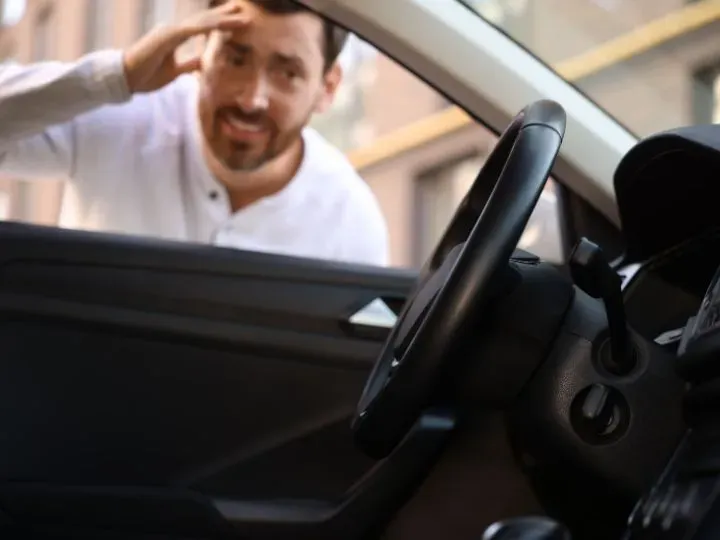
Modern vehicles are equipped with sophisticated security systems designed to protect against theft and unauthorized access. However, these same features that keep criminals out can sometimes inadvertently lock out legitimate owners, creating frustrating situations that require professional intervention. Understanding how these systems work—and their potential pitfalls—can help drivers navigate the complex landscape of contemporary automotive security.
The Evolution of Car Security Systems
Today’s vehicles bear little resemblance to the simple mechanical locks of decades past. Electronic immobilizers, keyless entry systems, and smart keys have transformed automotive security into a digital fortress. While these advances have dramatically reduced vehicle theft rates, they’ve also introduced new ways for drivers to find themselves locked out of their own cars.
The shift from traditional metal keys to electronic fobs and proximity sensors has created scenarios that previous generations of drivers never encountered. A dead battery in a key fob, interference from electronic devices, or simply being in the wrong location relative to your vehicle can trigger security protocols that prevent access.
Smart Key Systems and Their Complications
Smart key technology represents one of the most significant advances in automotive convenience, allowing drivers to unlock and start their vehicles without removing the key from their pocket. These systems use radio frequency identification (RFID) or low-frequency signals to communicate between the key fob and the vehicle.
However, smart keys can create unexpected lockout situations. If the key fob battery dies while you’re away from the vehicle, you may find yourself unable to unlock the doors or start the engine. Some systems are programmed to automatically lock the vehicle if the smart key moves beyond a certain distance, which can trap passengers inside if they don’t have their own key fob.
Additionally, interference from other electronic devices, metal structures, or even certain weather conditions can disrupt the communication between the key fob and the vehicle. This electromagnetic interference can temporarily render the smart key system non-functional, leaving drivers stranded until the interference clears or alternative access methods are employed.
Automatic Locking Mechanisms
Many modern vehicles feature automatic locking systems designed to enhance security by ensuring the car remains locked when unattended. These systems typically engage after the vehicle has been parked for a certain period or when specific conditions are met, such as all doors being closed and the engine turned off.
While these features provide valuable security benefits, they can also create lockout scenarios. Some vehicles will automatically lock all doors if the engine is running and a door is opened and closed, assuming the driver has exited. This can trap occupants inside if they don’t realize the system has engaged. Other vehicles may lock automatically when the driver’s door is closed, even if the keys are still inside.
The timing and sensitivity of these automatic systems vary significantly between manufacturers and models. Some systems provide audio or visual warnings before engaging, while others activate silently. Understanding your specific vehicle’s automatic locking behavior is crucial for avoiding unintended lockouts.
Anti-Theft Systems and False Alarms
Modern anti-theft systems are designed to be highly sensitive to unauthorized access attempts. These systems often integrate with the vehicle’s computer network, monitoring for signs of tampering or forced entry. When triggered, they can disable the ignition system, sound alarms, and even prevent doors from unlocking through normal methods.
However, this sensitivity can sometimes work against legitimate owners. Vibrations from nearby construction, attempts to unlock a door with a worn key, or even extreme weather conditions can trigger anti-theft systems. Once activated, these systems may require specific reset procedures or professional intervention to restore normal operation.
Some vehicles also feature progressive anti-theft responses, where repeated unsuccessful unlock attempts result in increasingly restrictive security measures. This can escalate a simple lockout situation into a more complex problem requiring specialized knowledge and tools to resolve.
Push-Button Start Complications
Push-button start systems have become increasingly common, offering convenience and a modern driving experience. However, these systems introduce unique lockout scenarios that weren’t possible with traditional ignition keys. The vehicle’s computer must detect the presence of the authorized key fob within the cabin to allow engine startup and operation.
Problems arise when the key fob battery weakens or fails completely. While many vehicles have backup systems that allow for engine starting even with a dead key fob battery—often involving holding the fob against the start button—these backup methods aren’t universal and may not be obvious to drivers unfamiliar with their vehicle’s specific procedures.
Furthermore, some push-button start vehicles can become confused about key fob location, particularly if multiple key fobs are present or if the fob is positioned at the edge of the detection range. This can result in situations where the engine won’t start despite the key fob being inside the vehicle.
Proximity Sensor Malfunctions
Keyless entry systems rely on proximity sensors to detect when an authorized key fob is near the vehicle. These sensors are typically located in door handles, bumpers, or other strategic locations around the car. When functioning properly, they provide seamless access without requiring the driver to manually press buttons or insert keys.
However, proximity sensors can malfunction due to various factors including water damage, physical impact, or electrical issues. When sensors fail, they may either fail to detect authorized key fobs—resulting in lockouts—or become overly sensitive, potentially draining the vehicle’s battery or creating security vulnerabilities.
Environmental factors can also affect proximity sensor performance. Extreme cold can slow electronic responses, while extreme heat can cause components to expand and shift, affecting sensor calibration. Salt from winter road treatments can cause corrosion, while dust and debris can interfere with sensor operation.
Battery-Related Lockouts
Both key fob batteries and vehicle batteries play crucial roles in modern security systems, and failures in either can result in lockout situations. Key fob batteries typically last one to three years, but their failure often occurs without warning. Many drivers are unaware of their key fob’s battery status until it fails completely.
Vehicle battery problems can be even more problematic. If the car’s battery dies completely, electronic door locks may fail to operate, trapping occupants inside or preventing entry from outside. Some vehicles have mechanical backup systems, but these aren’t universal and may require specific knowledge to operate.
Jump-starting a vehicle with a dead battery can sometimes reset electronic systems, potentially causing temporary malfunctions in keyless entry or anti-theft systems. This can create situations where the vehicle starts but security systems remain active, preventing normal operation until properly reset.
Temperature-Related Issues
Extreme temperatures can significantly impact electronic security systems. Cold weather can slow chemical reactions in batteries, reducing their effective power output and potentially preventing key fobs from transmitting strong enough signals. LCD displays on key fobs may also become sluggish or unreadable in very cold conditions.
Hot weather presents different challenges. Electronic components can expand and shift, affecting calibration and sensitivity. Dashboard-mounted proximity sensors may be particularly affected by direct sunlight and extreme cabin temperatures. Additionally, heat can accelerate battery degradation, leading to premature failures.
Some vehicles have temperature compensation systems designed to maintain consistent performance across weather conditions, but these systems aren’t foolproof and can themselves malfunction under extreme conditions.
Professional Lockout Resolution
When modern security systems create lockout situations, resolution often requires professional expertise. Unlike traditional mechanical locks that could sometimes be manipulated with simple tools, electronic security systems typically require specialized equipment and knowledge to bypass safely without causing damage.
Professional automotive locksmiths, such as those at Driscoll’s Lock & Key in Rockland, NY, maintain specialized tools and training to work with various electronic security systems. They understand the specific vulnerabilities and backup access methods for different vehicle makes and models, allowing them to resolve lockouts efficiently while minimizing the risk of damage to sophisticated electronic components.
The complexity of modern systems means that attempting DIY solutions can often make problems worse, potentially damaging expensive electronic components or triggering more advanced security protocols that complicate professional resolution.
Preventive Measures and Best Practices
Understanding your vehicle’s specific security features is the first line of defense against unexpected lockouts. Owners should familiarize themselves with their key fob’s backup functions, mechanical key locations, and any manual override procedures documented in the owner’s manual.
Regular key fob battery replacement is crucial, ideally before complete failure occurs. Many key fobs provide low battery warnings through dashboard indicators or reduced range, and these warnings should be heeded promptly. Keeping spare key fob batteries in the vehicle can provide a quick solution if failure occurs away from home.
Environmental awareness can also prevent many lockouts. Understanding how extreme temperatures, electromagnetic interference, and proximity sensor locations affect your vehicle’s systems allows for proactive measures to avoid problem situations.
The Future of Automotive Security
As vehicles become increasingly connected and autonomous, security systems will likely become even more sophisticated. Features like smartphone integration, biometric recognition, and cloud-based authentication promise enhanced convenience and security, but they also introduce new potential failure modes and lockout scenarios.
The challenge for manufacturers will be balancing security with accessibility, ensuring that legitimate owners can always access their vehicles while maintaining protection against unauthorized access. As these systems evolve, driver education and professional locksmith training must evolve as well to address the complexities of next-generation automotive security.
Modern automotive security represents a remarkable achievement in protecting vehicles from theft and unauthorized access. However, this protection comes with complexity that can sometimes work against vehicle owners. Understanding these systems, maintaining key components, and knowing when to seek professional help can minimize frustration and ensure that advanced security features remain beneficial rather than burdensome. As technology continues to advance, staying informed about your vehicle’s specific systems and maintaining relationships with qualified professionals becomes increasingly important for every driver.
Frequently Asked Questions
What features in modern cars can cause accidental lockouts?
Smart key systems, automatic locking mechanisms, push-button start systems, and electronic anti-theft features can sometimes contribute to accidental lockouts. Dead key fob batteries and proximity sensor malfunctions can also prevent drivers from accessing or starting their vehicles.
How can I prevent my car keys from getting locked inside?
Familiarize yourself with your vehicle’s automatic locking settings and keyless entry features. Keep track of your keys when exiting, replace weak key fob batteries promptly, and consider keeping a spare key in a secure location outside the vehicle.
What should I do if my key fob stops working?
Check the key fob battery and consult your owner’s manual for the vehicle’s backup entry procedure. Some vehicles have a hidden mechanical key or an emergency method for starting the engine when the fob battery is depleted. If these options do not work, contact a qualified automotive locksmith.
Can a locksmith unlock a car with an electronic security system?
Yes. Automotive locksmiths have specialized tools and training to work with many modern vehicle locking systems. They can help regain access while minimizing the risk of damaging the door, lock, or electronic components.
Why won’t my car recognize my key fob?
A weak battery, electronic interference, a faulty proximity sensor, or a problem with the vehicle’s security system may prevent the key fob from being detected. Check your owner’s manual for troubleshooting steps, and seek professional assistance if the problem persists.
When should I call a professional automotive locksmith?
Contact an automotive locksmith if you cannot access your vehicle, your key fob repeatedly fails, or the vehicle’s electronic locking system prevents normal entry. A professional can assess the situation and help restore access without unnecessary damage.