
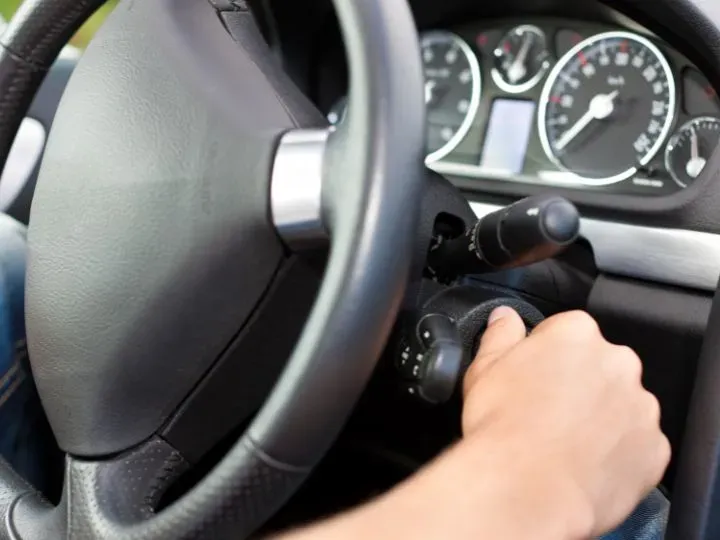
Modern vehicle security has evolved dramatically over the past few decades, with transponder keys becoming the standard for most cars manufactured since the late 1990s. While these advanced keys provide enhanced security against theft, they can also create frustrating situations when replacements are needed. Understanding how transponder keys work and why programming is essential can save you time, money, and considerable headache when dealing with key replacement issues.
Understanding Transponder Technology
A transponder key contains a small electronic chip embedded within the plastic head of the key. This chip communicates with your vehicle’s immobilizer system through radio frequency identification (RFID) technology. When you insert the key into the ignition and turn it, the car’s computer sends a radio signal to the transponder chip. The chip responds with a unique digital code that must match the code stored in the vehicle’s computer system.
This two-way communication happens in milliseconds and serves as an electronic handshake between your key and your car. If the codes match, the immobilizer system allows the engine to start. If they don’t match, or if no signal is received, the system prevents the engine from starting, even if the key physically fits and turns in the ignition.
The Programming Problem
When you get a new transponder key, whether it’s a replacement for a lost key or a spare, the chip inside contains either no programming or generic factory settings. Without proper programming to match your specific vehicle, the new key will be unable to communicate with your car’s immobilizer system. This is why a perfectly cut key that fits your ignition may turn but fail to start the engine.
The programming process involves synchronizing the transponder chip’s code with your vehicle’s computer system. This requires specialized equipment and knowledge of the specific programming procedures for your make and model of vehicle. Different manufacturers use various programming methods, and even different model years from the same manufacturer may require different approaches.
Common Scenarios and Solutions
Lost All Keys: This represents the most challenging scenario for transponder key programming. When you’ve lost all programmed keys, the process becomes significantly more complex and expensive. The vehicle’s computer system needs to be reset, and new keys must be programmed from scratch. This often requires direct access to the vehicle’s computer modules and may involve towing the car to a dealership or having a qualified locksmith come to your location.
Adding a Spare Key: If you still have at least one working transponder key, adding additional keys is typically more straightforward and less expensive. Many vehicles allow for self-programming of additional keys when you have an existing programmed key, though the specific process varies by manufacturer.
Key Damage: Sometimes transponder keys stop working due to physical damage to the chip or interference from other electronic devices. In these cases, the key may need to be replaced entirely, requiring full reprogramming of the new transponder.
DIY Programming Limitations
While some vehicles allow owners to program additional transponder keys themselves using existing working keys, this isn’t universal. The self-programming process typically involves a sequence of steps using the ignition switch and existing keys within specific time frames. However, these procedures only work when you have at least one functioning programmed key and are often limited to adding keys rather than replacing the primary key.
Many newer vehicles have eliminated self-programming options entirely, requiring professional equipment for any key programming. Additionally, luxury vehicles and those with advanced security systems almost always require professional programming services.
Professional Programming Services
When DIY methods aren’t sufficient, professional key programming services become necessary. Automotive locksmiths and dealerships both offer these services, though their approaches and capabilities may differ.
Professional locksmiths often provide more convenient and cost-effective solutions compared to dealerships. They typically offer mobile services, coming directly to your location with the necessary equipment. Companies like Driscoll’s Lock & Key in Rockland, NY, represent the type of full-service locksmith operations that combine traditional lock services with modern automotive electronic systems expertise.
Professional programming services use specialized diagnostic equipment that can communicate directly with your vehicle’s computer systems. This equipment is regularly updated to work with the latest vehicle models and security protocols. The programming process typically involves connecting to the vehicle’s onboard diagnostic port, accessing the immobilizer system, and inputting the new key’s transponder code into the vehicle’s memory.
Cost Considerations
The cost of transponder key programming varies significantly based on several factors. Vehicle make and model play a major role, with luxury brands typically costing more due to more sophisticated security systems. The complexity of the programming required also affects pricing, with lost-all-keys scenarios costing considerably more than adding spare keys.
Dealership programming services often carry premium pricing but may be necessary for the newest vehicle models or those with the most advanced security systems. Independent automotive locksmiths frequently offer competitive pricing while maintaining the expertise needed for proper programming.
Prevention and Best Practices
The best approach to transponder key issues is prevention. Having at least one spare key programmed before you need it can save significant time and money. When you do need key services, ensure you’re working with qualified professionals who have experience with your specific vehicle type.
Keep transponder keys away from electronic devices that might cause interference, and avoid exposing them to extreme temperatures or moisture that could damage the internal chip. If you notice your key becoming intermittently unreliable, address the issue promptly rather than waiting for complete failure.
Technology Evolution
As vehicle security technology continues to evolve, transponder keys are increasingly being supplemented or replaced by smart keys, proximity keys, and smartphone-based access systems. However, the fundamental principle remains the same: electronic communication between an authorized device and the vehicle’s security system.
Understanding these systems and working with qualified professionals when issues arise ensures that your vehicle security remains intact while minimizing inconvenience and expense. Whether dealing with a simple spare key addition or a complex lost-all-keys scenario, proper transponder programming is essential for modern vehicle operation.
The integration of electronic security systems in vehicles represents a significant advancement in theft prevention, but it also requires specialized knowledge and equipment for proper maintenance and repair. As these systems become more sophisticated, the importance of working with experienced professionals who stay current with evolving technology becomes increasingly critical for vehicle owners.