Ensuring your commercial building is accessible is all about creating a welcoming, usable environment for every visitor. Under the Americans with Disabilities Act (ADA), businesses must provide accessible entrances and door hardware that all individuals can operate independently and safely. Whether you manage an office, retail space, industrial building, or multi-tenant property, understanding ADA door hardware rules is essential.
Choosing the right hardware not only protects your business from potential violations and costly fines but also improves the everyday experience of customers, employees, and guests. If you’re unsure where to start, this guide breaks down what ADA compliance means, the requirements you must meet, and how to select hardware that keeps your building accessible and secure.
What ADA Compliance Means for Door Hardware
The ADA sets clear standards for how commercial buildings must be designed to accommodate individuals with disabilities. When it comes to doors, these standards ensure that people with limited mobility, reduced strength, or conditions affecting motor skills can open and pass through doors without difficulty.
Any commercial facility open to the public – or any workplace with employees – must follow ADA requirements. This applies to both new construction and renovation projects. For door hardware, the focus is on safe, barrier-free operation: no excessive force, no tight grasping or twisting, and no obstacles that restrict movement.
Professional locksmiths play a key role in ADA compliance. They help evaluate your existing entrances, recommend appropriate hardware, install it correctly, and ensure it meets both accessibility and safety standards.
ADA Door Hardware Requirements You Need to Know
ADA standards include specific rules for handle style, placement, opening force, and door clearance. Here’s what every business owner should be aware of:
1. Door Handle Type Requirements
ADA-compliant door hardware must be operable with one hand and should not require tight grasping, pinching, or twisting of the wrist. The idea is to allow individuals with limited hand strength or mobility to open the door easily.
Common compliant hardware types include:
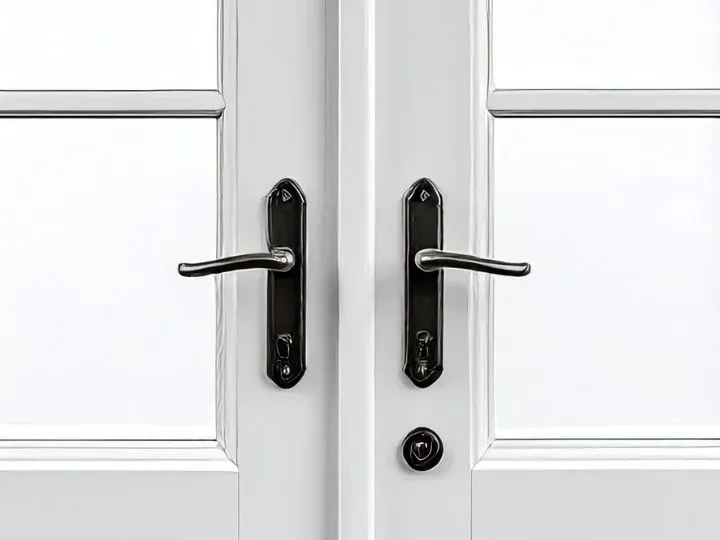
- Lever handles – A universal ADA-friendly option.
- Push/pull bars – Perfect for high-traffic or hands-full situations.
- Panic bars/exit devices – Required on many commercial exits and widely available in ADA-approved models.
Knobs, thumb-turns without levers, or any handle requiring strong grip or twisting do not meet ADA requirements.
2. Handle Height & Placement
To be ADA compliant, operable parts must be installed between 34 and 48 inches above the finished floor. This range ensures users in wheelchairs and those of varying heights can access the hardware comfortably.
3. Door Opening Force & Closing Speed
The ADA also regulates how much effort a user must exert to open the door.
- Interior doors typically must require no more than 5 pounds of force to operate.
- Door closers must allow the door to take at least five seconds to close from a 90-degree open position to 12 degrees.
This helps prevent the door from slamming shut and provides enough time for someone with mobility limitations to pass through safely.
4. Door Width & Clearance
Every accessible doorway must provide a minimum clear opening width of 32 inches. Additionally, there must be adequate maneuvering space on both sides of the door to allow wheelchairs to turn, approach, and exit without obstruction.
If your doorway doesn’t meet clearance requirements, the solution may include repositioning the swing direction, adjusting hardware, or installing automatic operators.
Types of ADA-Compliant Door Hardware for Commercial Buildings
Choosing ADA-compliant hardware involves more than just selecting what looks good. The hardware must function safely and reliably, especially in commercial environments with constant foot traffic. Here are the most common compliant options:
1. Lever Handles
Lever handles are widely used because they are simple, comfortable, and meet ADA’s no-grip-required rule. They come in various styles and finishes to match your building’s design while maintaining full compliance.
2. Push/Pull Hardware
Push plates and pull bars eliminate the need to grip or twist, making them ideal for hospitals, restaurants, warehouses, and other buildings with busy or hands-full users.
3. Panic Bars and Exit Devices
Many commercial doors, especially those used for emergency exits, require panic bars. ADA-compliant models operate with minimal force and feature wide, easy-to-press push pads.
4. Automatic Door Operators
Automatic or power-assisted door openers dramatically improve accessibility. They can be triggered by buttons, sensors, or touchless wave plates. These are excellent for entrances where traffic includes wheelchair users, individuals carrying items, or people with limited strength.
5. Keyless Access Systems
Keypads, card readers, and smart access systems are ADA-friendly when:
- They are placed within the correct height range.
- They require little to no hand strength.
- The interface is clear and easy to operate.
Modern access control systems often integrate seamlessly with ADA requirements when installed correctly.
How to Choose the Right Hardware for Your Building
With so many options available, selecting the perfect ADA-compliant door hardware can be overwhelming. These key considerations can help simplify your decision:
1. Assess Your Building’s Traffic and Usage
A retail store may need durable lever sets, while an office might prioritize aesthetics. High-traffic buildings benefit from automatic door operators or heavy-duty exit devices.
2. Consider the Door Type and Material
Your hardware must be compatible with the door’s material:
- Hollow metal doors
- Wood office doors
- Aluminum storefront doors
- Frameless glass doors
Each has different installation requirements, which affect your hardware choices.
3. Understand Local Building and Fire Codes
Some doors require fire-rated hardware, certain exits need panic devices, and some entrances must remain unlocked during operating hours. ADA compliance is only one part of the equation, your hardware must also meet safety and code requirements.
4. Balance Accessibility With Security
A building can be both compliant and secure. Work with hardware that provides easy operation without sacrificing protection against unauthorized entry.
5. Work With a Professional Locksmith
A certified locksmith ensures the hardware is installed correctly, meets all ADA and fire code standards, and operates smoothly. They can also adjust opening force, verify clearances, and recommend upgrades based on your building’s layout.
Common ADA Compliance Mistakes to Avoid
Even well-intentioned business owners sometimes make errors when upgrading their door hardware. Here’s what to watch out for:
- Choosing stylish handles that don’t meet ADA usability rules.
- Installing levers or readers too high or too low.
- Using lever sets with springs that require excessive force to operate.
- Ignoring compatibility with fire-rated doors.
- Failing to maintain closing speed, tension, or alignment over time.
Regular inspections and maintenance can prevent many compliance issues.
When to Call a Professional Locksmith for ADA Compliance
If you’re unsure whether your building meets ADA requirements, or if you’re planning to renovate or upgrade your entrances, consulting a professional locksmith is essential. They can perform a full compliance assessment, recommend the right hardware, and handle proper installation.
At Driscoll’s Lock & Key, we help commercial property owners choose ADA-approved hardware that supports accessibility, security, and long-term reliability. From lever replacements to automatic door operator installations, our team ensures your building meets all necessary standards.
Conclusion
Choosing ADA-compliant door hardware protects your business, improves accessibility, and enhances the experience of everyone who walks through your doors. With the right hardware and professional installation, you can create a safer, more inclusive environment.
Need to upgrade your building’s door hardware to meet ADA standards? Contact Driscoll’s Lock & Key today for expert guidance, professional installation, and dependable commercial security solutions.