Got locked out of your car or home? We understand how you feel. It is stressful, inconvenient, and sometimes even dangerous. While no one plans for these moments, being prepared can save time, money, and frustration.
That’s where an emergency lockout kit comes in. It’s a practical collection of tools and resources that anyone can assemble to temporarily handle lockout situations while waiting for Rockland locksmiths to arrive.
In this guide, we’ll walk you through everything you should keep in your emergency lockout kit, from essential tools to backup access methods and safety items.
Essential Tools for Your Lockout Kit
When building a lockout kit, start with the basics. These are the tools that will help you regain access quickly in common situations.
Spare Keys
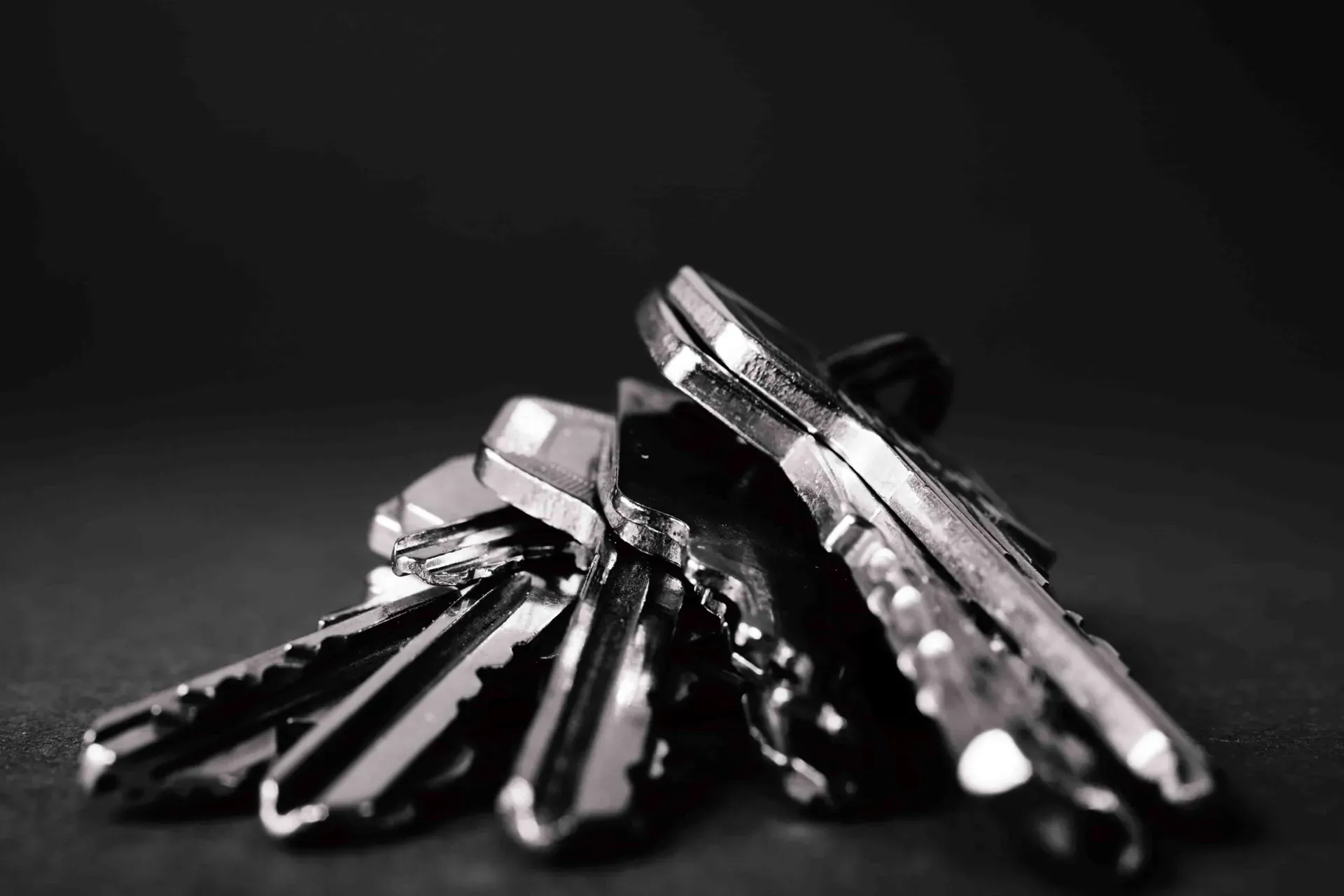
The most obvious and reliable item in any lockout kit is a set of spare keys. Keep duplicates of your home, car, and office keys. Store them in secure locations, such as a lockbox near your home or with a trusted neighbor or family member. If you use a smart lock, consider having backup key cards or codes written down in a secure place.
Lock Picking Tools or Bump Keys (Optional)
Some people include lock-picking tools or bump keys in their kits. These can be effective for certain locks, but they require skill and caution. Always check local laws before including these items, as unauthorized use can be illegal. If you’re not trained, it’s safer to rely on professional locksmiths for tricky situations.
Slim Jim or Car Unlocking Tools
For vehicle lockouts, tools like a slim jim can help unlock doors without damaging the car. However, using these tools incorrectly can cause damage, so practice proper techniques or call a professional if unsure.
Flashlight
A flashlight is essential for nighttime lockouts or poorly lit areas. Even a small LED flashlight can make a big difference when trying to see locks, keys, or tools clearly.
Gloves
Lockout tools can sometimes have sharp edges, or you may need to handle broken locks. A sturdy pair of gloves protects your hands and makes working with tools safer.
Backup Access Methods
Sometimes, the solution isn’t in picking a lock, it’s in having a backup plan for access. Including these items in your lockout kit ensures you always have options.
Digital Access Codes and Key Cards
Many homes and offices now use smart locks with digital codes or key cards. Keep a secure record of your codes in your kit. If your code changes, update the note immediately. For key cards, consider a small protective sleeve to prevent damage.
Lockbox or Safe
A small lockbox outside your home can hold spare keys safely. Make sure it’s in a discreet location and uses a combination only you and trusted household members know. This simple step can prevent the need for locksmith services in many situations.
Contact Information for Locksmiths
Even the best-prepared person may need professional help. Keep a list of local locksmiths in your kit, including 24-hour emergency services. Include phone numbers in both written form and stored on your phone. That way, you’re ready to call for help immediately if a situation becomes complicated.
Safety and Miscellaneous Items
Lockouts can sometimes happen at inconvenient or even unsafe times. Including these additional items ensures you’re prepared for more than just opening a door.
Personal Identification
Always keep your ID, driver’s license, or any relevant personal identification in your kit. This is especially important if you’re locked out of a vehicle and need to prove ownership or contact roadside assistance.
Phone Charger or Power Bank
A dead phone battery can make a lockout far worse. Include a compact charger or a fully charged power bank in your kit to ensure you can make emergency calls at any time.
Notebook and Pen
It may seem old-fashioned, but a notebook and pen can be invaluable. Record details about the lockout incident, such as which lock failed or which tools you used. This information can help prevent future problems or assist a locksmith.
Multi-tool or Pocket Knife
A multi-tool is versatile for a variety of minor emergencies. From tightening screws on a door handle to cutting zip ties or tape, it’s a small addition that can save a lot of frustration.
Organizing and Maintaining Your Lockout Kit
A kit is only useful if it’s well-organized and maintained. Here’s how to ensure your kit is always ready when you need it.
Storage Suggestions
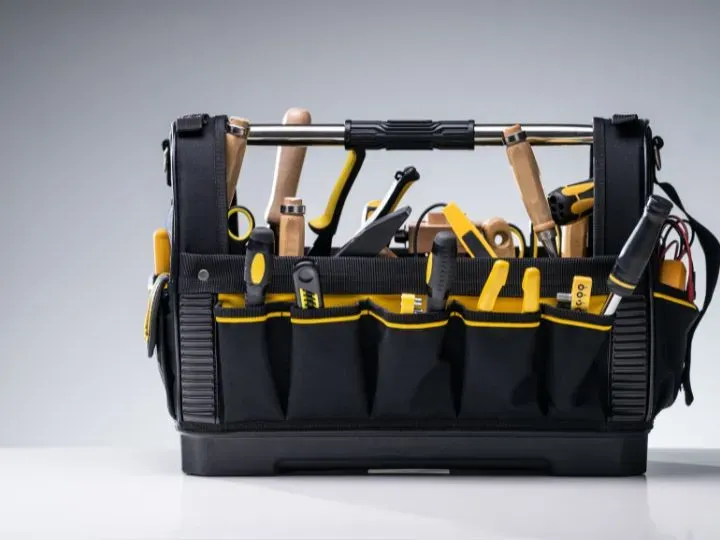
Use a small, sturdy bag, pouch, or toolbox to store your items. Keep your kit in a consistent location, such as your car, home, or office. Make sure it’s compact enough to carry if needed but large enough to hold all essential items.
Regular Checks
Periodically inspect your kit. Check flashlights and power banks for battery life, examine tools for wear or damage, and update contact lists and spare keys as needed. A kit left unchecked can quickly become ineffective.
Accessibility Tips
Make sure every member of your household knows where the kit is located. Consider creating a checklist of items and placing it inside the kit for quick reference. Being organized saves time during high-stress lockout situations.
Conclusion
Being locked out doesn’t have to ruin your day. With a well-prepared emergency lockout kit, you can handle these situations calmly, efficiently, and safely. From essential tools to backup access methods and safety items, your kit can be the difference between a minor inconvenience and a major problem.
At Driscoll’s Lock & Key, a leading locksmith in Rockland, we recommend assembling your kit now rather than waiting for a lockout to happen. Take the time to prepare today, and you’ll have peace of mind knowing you’re ready for anything.