Few things are more frustrating than getting into your vehicle, pressing the start button, and seeing a message that says, “Key Not Detected.” Modern keyless entry systems are designed to make driving more convenient, but like any technology, they can occasionally experience problems.
Fortunately, this warning doesn’t always mean there’s a major issue with your vehicle. In many cases, the problem is something simple, such as a weak key fob battery or signal interference. Understanding why your car cannot detect the key can help you troubleshoot the issue quickly and know when it’s time to call a professional locksmith.
What Does “Key Not Detected” Mean?
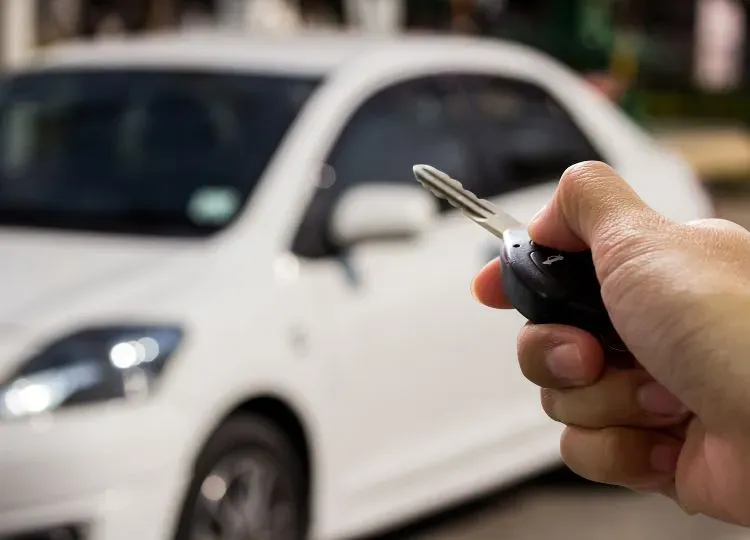
A “Key Not Detected” message means your vehicle cannot communicate with the electronic key fob. Most push-button start vehicles rely on a wireless signal sent between the key fob and the car. If that signal isn’t received, the vehicle may prevent you from unlocking the doors, starting the engine, or, in some cases, continuing to operate certain features.
The problem may originate from the key fob itself, the vehicle’s electrical system, or environmental factors that interfere with the signal. Identifying the cause is the first step toward getting back on the road.
Common Reasons Your Car Cannot Detect the Key
Several issues can prevent your vehicle from recognizing the key fob. Here are the most common causes.
Dead or Weak Key Fob Battery
The most frequent reason for a “Key Not Detected” warning is a depleted key fob battery. As the battery weakens, the key transmits a much shorter signal range or stops transmitting altogether.
Fortunately, replacing the battery is usually inexpensive and only takes a few minutes. If your key has been working inconsistently before the warning appeared, a new battery may solve the problem immediately.
Damaged or Faulty Key Fob
Key fobs are durable, but they’re not indestructible. Dropping the key, exposing it to water, or subjecting it to excessive heat can damage the internal electronics.
A damaged key fob may fail to send the proper signal even if the battery is brand new. In this situation, the key may need to be repaired or replaced.
Signal Interference
Electronic devices and certain environments can interfere with your key fob’s signal. Nearby cell phones, radio transmitters, Wi-Fi equipment, or even large metal structures may temporarily disrupt communication between the key and the vehicle.
Moving to another location or removing nearby sources of interference may restore the connection.
Vehicle Battery Problems
Sometimes, the issue isn’t with the key at all. A weak or dead vehicle battery can affect the systems responsible for detecting the key fob.
If you also notice dim headlights, slow engine cranking, or dashboard warning lights, your car battery may need to be tested or replaced.
Key Fob Needs Reprogramming
In some cases, the key fob loses synchronization with the vehicle. This can happen after certain repairs, battery replacements, or electronic malfunctions.
When this occurs, the key may need to be reprogrammed so it can communicate with the vehicle again. An experienced automotive locksmith can typically perform key fob battery service replacement quickly.
What To Do When Your Car Says “Key Not Detected”
Before assuming the worst, try these simple troubleshooting steps.
Replace the Key Fob Battery
If you haven’t changed the battery recently, start here. Install the correct replacement battery specified by your vehicle manufacturer and test the key again.
Hold the Key Near the Start Button
Many vehicles include an emergency detection method that allows the car to recognize the key when it’s held directly against or near the push-button start.
Check your owner’s manual for the exact location and recommended procedure for your vehicle.
Try Your Spare Key
If you have a spare key fob, use it to determine whether the issue is with the original key or the vehicle itself.
If the spare works normally, the original key likely needs repair, a new battery, or reprogramming.
Check the Vehicle Battery
If multiple electrical systems seem weak or unresponsive, inspect the vehicle battery. A low battery can prevent the car from properly detecting the key.
If necessary, jump-start the vehicle or have the battery tested by a professional.
Restart the Vehicle’s Electronics
Sometimes the vehicle’s electronics simply need to reset. Exit the vehicle, lock all the doors, wait a minute, then unlock the car and try starting it again.
Although this won’t solve every issue, it can occasionally restore normal communication between the key and the vehicle.
When Should You Call a Locksmith?
If you’ve replaced the battery, tried your spare key, and completed basic troubleshooting without success, it’s time to contact a professional automotive locksmith.
An experienced locksmith in Hillcrest can diagnose whether the problem involves the key fob, programming, or the vehicle’s keyless entry system. They can also replace damaged key fobs, program new keys, and often perform these services on-site, saving you the inconvenience of towing your vehicle to a dealership.
Tips to Prevent Future Key Detection Problems
A few simple habits can help reduce the chances of seeing another “Key Not Detected” message:
- Replace your key fob battery regularly. Change the battery every few years or as soon as you notice the key’s operating range becoming shorter.
- Protect your key fob from damage. Keep it away from water, excessive heat, and hard impacts that could harm its internal electronics.
- Keep a programmed spare key. Having a backup key fob can save you time and frustration if your primary key stops working unexpectedly.
- Avoid signal interference. Store your key away from devices that may interfere with its signal, such as powerful electronic equipment or magnets.
- Address issues early. If your key fob starts working inconsistently, have it inspected by a professional before it fails.
Don’t Let a Key Detection Problem Leave You Stranded
Seeing a “Key Not Detected” message can be frustrating, but it doesn’t always indicate a serious vehicle problem. In many cases, the issue is caused by a weak battery, a damaged key fob, signal interference, or a programming error. Knowing the common causes and troubleshooting steps can help you resolve the issue quickly.
If your key still isn’t working, Driscoll’s Lock & Key is here to help. Our experienced automotive locksmiths provide professional key replacement, key fob programming, and lock services to get you back on the road safely and efficiently. Contact us today for fast, reliable assistance.
Frequently Asked Questions
Can a dead key fob battery prevent my car from starting?
Yes. If the key fob battery is completely dead, your vehicle may not recognize the key and could prevent the engine from starting. Some vehicles have an emergency method that allows you to start the car by holding the key fob near the start button.
Can I drive my car if the “Key Not Detected” warning appears?
If the vehicle is already running, you may be able to continue driving. However, once the engine is turned off, you may not be able to restart it until the key detection issue is resolved.
How much does it cost to replace or reprogram a key fob?
The cost varies depending on your vehicle’s make, model, and key type. Basic key fobs are generally less expensive than smart keys with advanced features. A professional locksmith can provide a replacement and programming at a competitive price.
Should I call a locksmith or the dealership for a key detection problem?
An experienced automotive locksmith can often replace, repair, and program key fobs on-site, making them a convenient and cost-effective alternative to visiting a dealership.