When it comes to securing your home or business, not all deadbolts are created equal. The American National Standards Institute (ANSI) has established a comprehensive grading system that helps consumers understand the security level and durability of different deadbolt locks. Understanding these grades can make the difference between adequate protection and robust security for your property.
What Are ANSI Deadbolt Grades?
The ANSI/ALOA grading system evaluates deadbolts across multiple criteria, including security, durability, and finish quality. This standardized system provides consumers with a reliable way to compare locks from different manufacturers and select the appropriate level of security for their needs.
The grading system tests locks through rigorous procedures that simulate real-world use and potential security threats. These tests include strike testing (simulating kick-in attempts), cycle testing (repeated locking and unlocking), torque testing (resistance to forced turning), and door prep testing (installation requirements).
Grade 1: Maximum Security
Grade 1 deadbolts represent the highest level of residential and light commercial security available. These locks must withstand a 10-strike test with 75 foot-pounds of force, simulating determined break-in attempts. They’re also required to complete 250,000 lock and unlock cycles, demonstrating exceptional durability.
Key features of Grade 1 deadbolts include reinforced strike plates, hardened steel bolts, and superior internal mechanisms. The bolt must extend at least one inch into the door frame, and the lock must resist 360 inch-pounds of torque. These locks typically feature anti-drill plates, hardened steel inserts, and advanced key control systems.
Grade 1 deadbolts are ideal for exterior doors, high-crime areas, commercial applications, and homes where maximum security is a priority. While they represent a higher initial investment, their superior construction and security features provide long-term value and peace of mind.
Grade 2: Residential Standard
Grade 2 deadbolts offer solid security for most residential applications. These locks must pass a 5-strike test with 75 foot-pounds of force and complete 100,000 operational cycles. They provide a good balance between security, durability, and cost-effectiveness.
The hardware requirements for Grade 2 locks include a minimum one-inch bolt throw and resistance to 180 inch-pounds of torque. While not as robust as Grade 1 locks, Grade 2 deadbolts still offer substantial protection against common break-in methods.
These locks work well for most residential exterior doors, apartments, and areas with moderate security needs. They typically feature solid construction with steel bolts and reinforced strike plates, though they may not include all the advanced features found in Grade 1 locks.
Grade 3: Basic Security
Grade 3 deadbolts meet minimum security standards and are suitable for interior doors or low-risk applications. These locks must withstand a 2-strike test with 75 foot-pounds of force and complete 50,000 operational cycles.
The torque requirement for Grade 3 locks is 90 inch-pounds, and while they still require a one-inch bolt throw, the overall construction is less robust than higher grades. These locks often feature lighter-weight materials and simpler internal mechanisms.
Grade 3 deadbolts are appropriate for interior doors, closets, utility rooms, and exterior doors in very low-crime areas. However, most security experts recommend against using Grade 3 locks for primary exterior door applications where security is a concern.
Additional Factors to Consider
Beyond ANSI grading, several other factors affect deadbolt security and performance. The quality of installation plays a crucial role in lock effectiveness. Even the highest-grade deadbolt can be compromised by poor installation, inadequate door frames, or substandard strike plate mounting.
Key control is another important consideration. Restricted keyways and high-security key systems can significantly enhance security by preventing unauthorized key duplication. Some manufacturers offer patented key systems that provide additional protection against picking and bumping.
The door and frame quality also impact overall security. A Grade 1 deadbolt installed in a hollow-core door or weak frame provides limited protection. Solid-core doors, reinforced frames, and proper strike plate installation with long screws are essential for maximizing deadbolt effectiveness.
Choosing the Right Grade
Selecting the appropriate deadbolt grade depends on several factors including location, crime rates, insurance requirements, and personal security preferences. High-crime areas, commercial properties, and homes with valuable contents typically benefit from Grade 1 deadbolts.
Budget considerations also play a role, though it’s important to view quality deadbolts as an investment in security rather than just an expense. The cost difference between grades is often minimal compared to the potential losses from inadequate security.
Professional assessment can help determine the most appropriate security level for your specific situation. Experienced locksmiths can evaluate your property’s vulnerabilities and recommend solutions that provide optimal protection within your budget.
Professional Installation and Maintenance
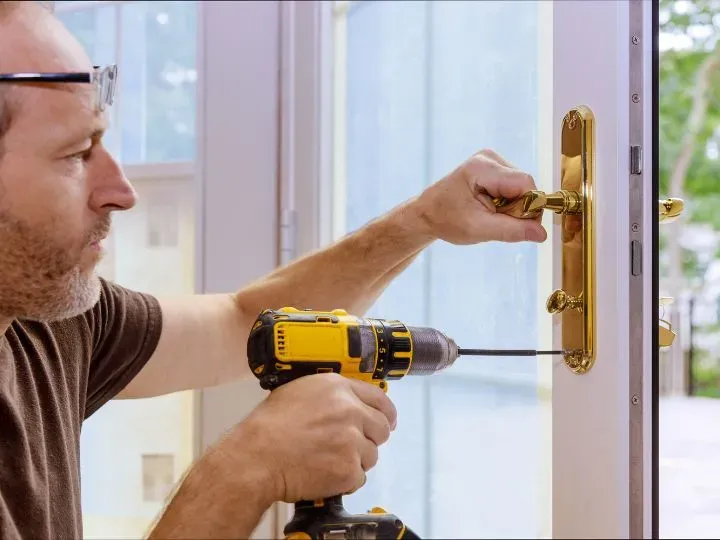
Proper installation is critical for deadbolt performance regardless of grade. Professional locksmiths ensure correct alignment, proper strike plate installation, and appropriate door preparation. They can also identify potential weaknesses in your door and frame that might compromise security.
Regular maintenance helps ensure continued performance and longevity. This includes periodic lubrication, checking for loose screws, and ensuring proper bolt alignment. Professional maintenance can identify issues before they become security vulnerabilities.
Making an Informed Decision
Understanding ANSI deadbolt grades empowers you to make informed security decisions. Consider your specific needs, evaluate the trade-offs between different grades, and don’t overlook the importance of professional installation and ongoing maintenance.
For expert guidance on selecting and installing the right deadbolt for your security needs, consider consulting with experienced professionals who understand both the technical aspects of lock security and the specific challenges of your local area. Driscoll’s Lock & Key has been serving Rockland with trusted locksmith services since 1968, helping residents and businesses choose and maintain appropriate security solutions for their unique requirements.
Remember that security is only as strong as its weakest link. A comprehensive approach that considers deadbolt grade, installation quality, door construction, and overall security strategy will provide the best protection for your property and peace of mind for you and your family.