Home security is something most homeowners think about only after a problem occurs. However, taking proactive steps can help protect your property, belongings, and the people inside your home. One simple yet effective way to maintain security is by rekeying your locks when certain situations arise.
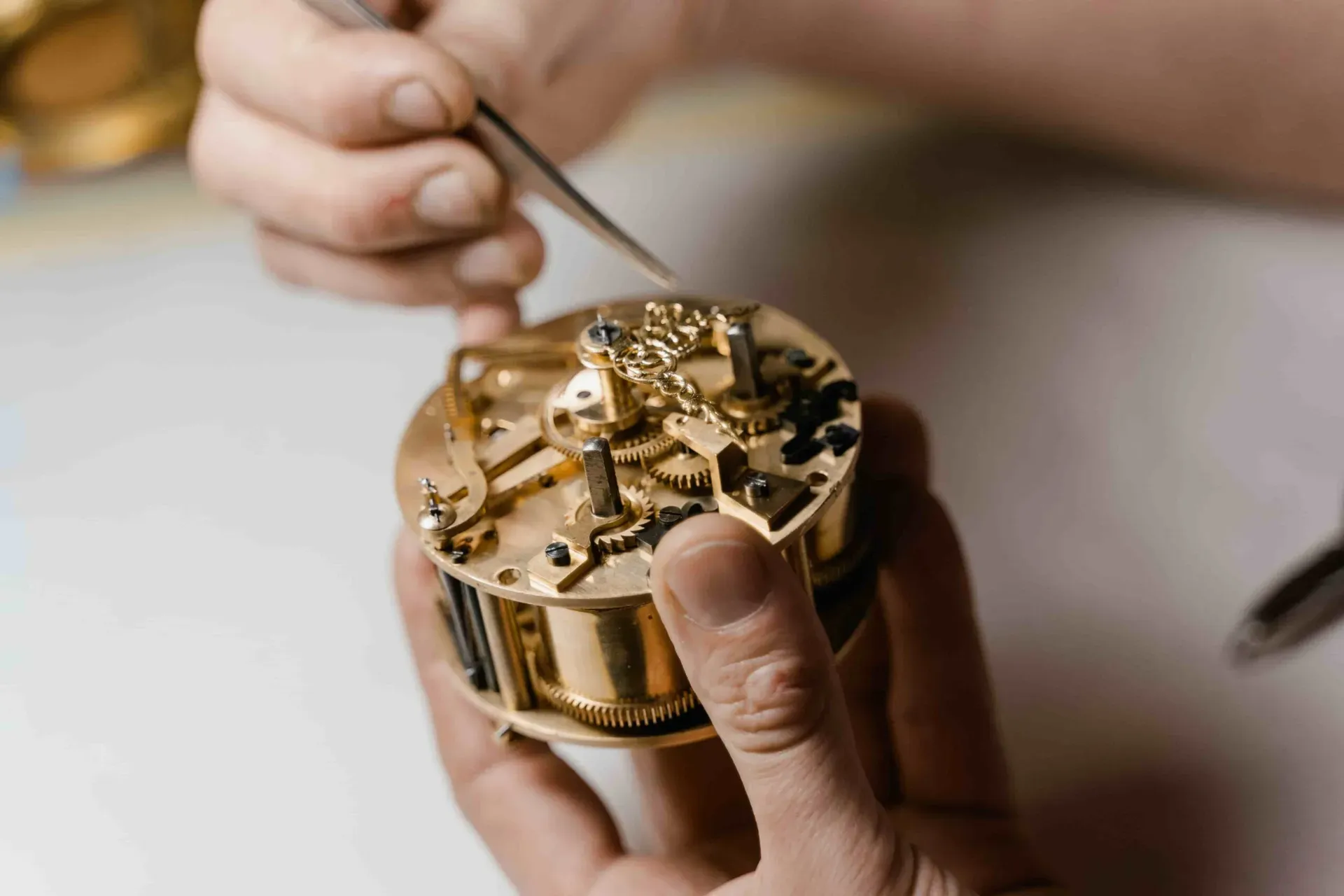
Rekeying a lock involves changing the internal pins inside the lock cylinder so that the old keys no longer work. Instead of replacing the entire lock hardware, a locksmith adjusts the mechanism to work with a new key.
Here are some of the most common signs that it may be time to rekey the locks in your home.
You Recently Moved Into a New Home
Moving into a new house is one of the most important times to rekey your locks. Even if the previous owners handed over all the keys they had, there is no way to guarantee that additional copies were not made.
Real estate agents, contractors, neighbors, cleaning services, and maintenance workers may have been given access at some point. Rekeying ensures that only the people you trust have working keys to your home. This step provides peace of mind and establishes a fresh level of security from the moment you move in.
You Lost Your House Keys
Losing your house keys can be stressful, especially if you are unsure where they ended up. Whether the keys were misplaced at a store, dropped in a parking lot, or left somewhere you cannot remember, the possibility that someone could find them always exists.
Rekeying old locks eliminates the risk that the lost key could be used to access your home. Even if someone finds the key later, it will no longer work once the lock has been rekeyed.
Acting quickly after losing a key is one of the best ways to prevent potential security issues.
A Break-In or Attempted Break-In Occurred
If your home has experienced a break-in or even an attempted one, it is a clear signal to review your security measures. Criminals may have copied keys, tampered with locks, or found ways to access your property.
Rekeying the locks helps restore control over who can enter your home. In some cases, homeowners may also choose to upgrade to stronger or high-security locks at the same time.
Taking action immediately after an incident helps prevent future problems and reinforces the safety of your home.
You Gave Spare Keys to Others
It is common for homeowners to provide spare keys to friends, neighbors, dog walkers, house cleaners, babysitters, or contractors. Over time, it can become difficult to keep track of who still has access to your home.
If someone no longer needs entry, rekeying your locks is a practical way to regain control. Rather than requesting every spare key back, rekeying guarantees that older keys will no longer function.
This is especially important if the key was given to someone temporarily for a project or short-term arrangement.
Your Locks Are Old or Worn
Locks experience wear and tear over time. If your locks are becoming difficult to turn, sticking, or showing visible damage, it may be a sign that they need attention.
While replacing the lock may sometimes be necessary, rekeying can also be part of the solution. A locksmith in Rockland can inspect the internal components and ensure the lock is functioning correctly while updating the key configuration.
Addressing lock issues early helps prevent situations where a key breaks inside the lock or a door becomes difficult to secure.
After a Roommate or Tenant Moves Out
If you shared your home with a roommate or had tenants living in the property, rekeying the locks after they move out is a smart precaution.
Even if the person returns their key, copies may still exist. Rekeying removes any uncertainty and ensures that only current residents have access.
For landlords and property managers, rekeying between tenants is a common security practice that helps protect both the property and future occupants.
You Want One Key for Multiple Locks
Many homeowners accumulate multiple keys over time. One for the front door, another for the back door, and possibly others for side entrances or garage access.
Rekeying provides an opportunity to simplify your key system. A locksmith can adjust compatible locks so they all operate with a single key. This process, often referred to as “keyed alike,” makes managing access much easier.
Having fewer keys to carry also reduces the chances of losing one.
Your Keys Were Stolen
If your purse, wallet, or backpack containing house keys was stolen, rekeying should be done as soon as possible. In this situation, the individual who took the keys may know exactly where they belong.
Changing the internal lock configuration prevents stolen keys from being used to gain entry. Acting quickly can protect your home and reduce the risk of unauthorized access.
You Recently Completed Home Renovations
Home improvement projects often require contractors, electricians, plumbers, or other professionals to enter your home. During large renovations, several workers may have temporary access.
Once the project is finished, rekeying your locks ensures that only the household members have working keys. This step helps restore full control of your home’s security after outside workers have been involved.
It also provides reassurance that no spare keys remain in circulation.
You Want to Improve Overall Security
Even without a specific incident, rekeying your locks periodically can be part of a proactive home security strategy. If you cannot remember the last time your locks were updated, it may be worth considering.
Rekeying refreshes your access control without requiring major changes to your existing hardware. It is a simple way to maintain a higher level of security and stay ahead of potential risks.
Homeowners who take preventative measures often avoid problems that arise from outdated or uncontrolled key access.
Rekeying vs. Replacing Locks
Many people assume that locks must be completely replaced to improve security. In reality, rekeying is often the more efficient solution.
Rekeying keeps the existing lock hardware in place while changing the internal mechanism that determines which key works. This typically takes less time and costs less than installing new locks.
However, if the lock is damaged, outdated, or no longer meets your security needs, a locksmith may recommend replacing it instead. A professional assessment can help determine the best option for your home.
Conclusion
Rekeying your locks is one of the simplest ways to maintain control over who has access to your home. Situations like moving into a new property, losing keys, completing renovations, or having someone move out can all create potential security gaps.
If you’re unsure whether your locks should be rekeyed, speaking with a professional locksmith can provide clarity and peace of mind. A quick inspection and service can ensure your home remains safe and secure.
Need help securing your home? Contact Driscoll’s Lock & Key to book professional lock rekeying services and keep your property protected.