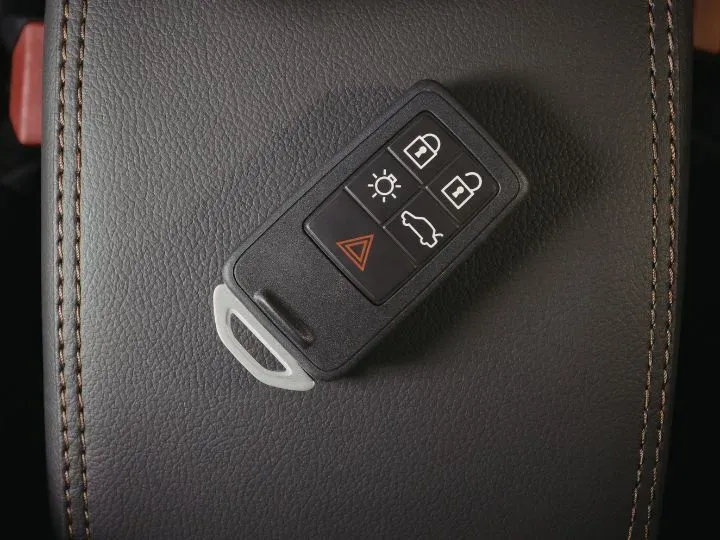
Modern cars offer incredible convenience, and one of the small but essential features that make life easier is the key fob. With a simple press of a button, you can unlock your doors, start your engine, or even open your trunk without ever inserting a key. But like any electronic device, key fobs rely on a battery to function. When the battery dies, you could be left frustrated and locked out of your vehicle. So how often should you replace a key fob battery, and how can you tell it’s time?
At Driscoll’s Lock & Key, we understand how inconvenient a dead key fob battery can be. Here’s a guide to help you stay ahead of the problem and keep your car accessible at all times.
Understanding Your Key Fob Battery
Most key fobs are powered by small coin cell batteries, with the CR2032 being one of the most common types. These batteries are compact yet surprisingly reliable, typically lasting between two and four years under normal conditions. However, several factors can affect this lifespan.
Frequent use, extreme temperatures, and the age of your vehicle can all shorten battery life. For example, if you live in a region with hot summers or cold winters, the battery may drain faster. Similarly, older key fobs may require more energy to operate as their internal components age.
Different key fobs use different types of batteries, and knowing which battery your fob requires is crucial. Check your vehicle’s manual or consult a professional locksmith if you’re unsure. The type of battery and how often the fob is used are the main reasons why replacement intervals can vary from one driver to another.
Signs Your Key Fob Battery Needs Replacement
Waiting until your key fob stops working entirely is risky. Luckily, most fobs show warning signs before they fail completely.
- Reduced Response or Intermittent Function: If your key fob only works sometimes or you have to press buttons multiple times, the battery may be weakening.
- Shortened Range: A weak battery often means you need to be closer to your car for it to respond.
- Dashboard Warnings: Many modern vehicles display a low battery warning for your key fob. Ignoring this alert can leave you stranded.
- Unusual Alerts: Some cars emit a sound or visual signal when the key fob’s battery is low.
Ignoring these signs can result in lockouts or an inability to start your car at critical times. It’s always better to replace the battery at the first sign of trouble rather than risk being stranded.
Recommended Replacement Frequency
Even if your key fob seems to be working fine, replacing the battery proactively every two to three years is generally recommended. Doing so ensures you avoid sudden failures and maintain uninterrupted access to your vehicle.
Certain conditions may require earlier replacement. High-frequency use, extreme climates, or older vehicles may drain the battery faster.
To stay ahead, consider checking your key fob battery whenever you perform routine car maintenance, such as an oil change. Setting a calendar reminder or keeping track of the last replacement date can also help ensure you never forget.
Being proactive with battery replacement saves time, frustration, and even potential emergency locksmith costs.
How to Replace a Key Fob Battery
Replacing a key fob battery is typically a straightforward process, but it should be done carefully to avoid damaging your fob. Here’s a step-by-step guide:
- Identify the Battery Type: Look inside your fob or check your vehicle manual to determine the correct battery type, most often CR2032 or a similar coin cell.
- Open the Key Fob: Most fobs have a small seam or slot where you can carefully pry open the case. Use a flat tool to gently separate the halves.
- Remove the Old Battery: Take note of the battery’s orientation so you can insert the new one correctly.
- Insert the New Battery: Place the new battery in the same orientation and ensure it fits snugly.
- Test the Key Fob: Press the buttons to confirm the fob functions correctly before closing the case.
If at any point you feel unsure, a professional locksmith like Driscoll’s Lock & Key can replace your key fob battery safely and quickly. Professionals can also check for additional fob issues you might not notice.
Tips to Extend Key Fob Battery Life
While replacing the battery is sometimes unavoidable, you can extend its life with a few simple habits:
- Avoid Excessive Button Pressing: Only press the buttons when necessary. Repeatedly pressing the fob unnecessarily drains the battery.
- Protect from Extreme Temperatures: Keep your key fob away from direct sunlight, heat sources, and freezing conditions whenever possible.
- Prevent Accidental Activation: Remove spare fobs from bags or pockets to prevent buttons from being pressed accidentally.
- Replace Batteries in Multiple Fobs Together: If you have more than one fob, consider replacing all batteries at the same time to ensure consistency.
These small practices can help your fob last longer and reduce the likelihood of an inconvenient failure.
Conclusion
Key fobs are a small but vital part of modern car convenience, and their battery life shouldn’t be overlooked. Replacing the battery every two to three years, or sooner if you notice signs of weakness, ensures your key fob works reliably, prevents lockouts, and keeps your vehicle secure.
If you’re unsure how to replace a battery or want a professional touch, Driscoll’s Lock & Key is here to help. Our experienced locksmiths can replace key fob batteries quickly and safely, giving you peace of mind on the road.
Don’t wait for a dead battery to leave you stranded; schedule a visit or contact us today.
Frequently Asked Questions
How long do key fob batteries usually last?
Most key fob batteries last approximately two to four years, although usage, temperature, battery quality, and the fob itself can affect how long they last.
What type of battery does a key fob use?
CR2032 batteries are common, but not every key fob uses the same battery. Check your vehicle’s manual or the existing battery before purchasing a replacement.
Can a weak key fob battery prevent my car from starting?
Some vehicles may display a warning or have specific procedures for starting the vehicle when the fob battery is weak or dead. Check your owner’s manual for your vehicle’s emergency starting procedure.
Why isn’t my key fob working after replacing the battery?
The fob may have another issue, such as internal damage, worn components, or a programming problem. A locksmith can help diagnose the cause.