Your car key or fob is your daily access to your vehicle and, in many cases, your peace of mind. From traditional metal keys to advanced smart fobs, these small devices are built to last, but like any technology, they can wear out over time.
Fortunately, with a little care and attention, you can extend the life of your car key or fob, prevent costly replacements, and ensure smooth operation every time you drive.
Here’s a practical guide on how to keep your car keys and fobs in top shape.
Understand Your Key or Fob
Before you can properly care for your car key, it helps to understand what type you have. Most vehicles use one of three common types:
- Traditional metal keys: These are durable but can bend or wear down over time, especially if you use them heavily.
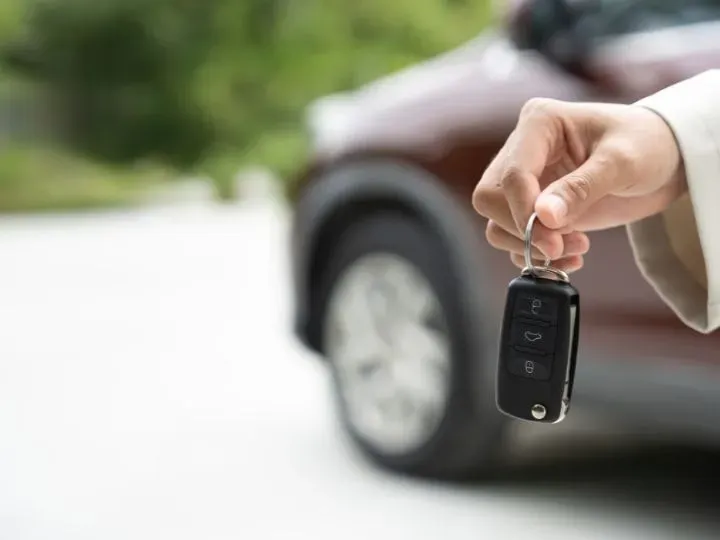
- Remote key fobs: These electronic devices allow you to lock, unlock, and even start your car without inserting a key. They contain buttons, a battery, and circuitry that can be affected by drops or moisture.
- Smart keys / keyless entry fobs: Advanced versions of remote fobs, smart keys rely on electronic signals to communicate with your car. Damage to the battery, buttons, or internal circuits can make them inoperable.
Knowing your key type will help you choose the right maintenance practices and prevent unnecessary car key damage.
Handle Your Key or Fob Properly
How you handle your key or fob can significantly impact its lifespan. Follow these tips to minimize wear and tear:
- Avoid dropping your keys or fobs. A fall from even a small height can damage the internal circuitry of a fob or bend a metal key, causing it to stick in the ignition.
- Keep keys away from extreme conditions. Excessive heat, cold, or moisture can damage batteries, electronics, and even the metal blade of traditional keys.
- Lighten your keychain. Heavy keychains strain the ignition and can gradually wear down your key or fob. Stick to essential keys only.
- Be mindful of pocket use. Avoid pressing fob buttons unintentionally while in your pocket or bag. This can drain the battery and even trigger your car alarm accidentally.
Proper handling is simple but effective in preventing many common problems with keys and fobs.
Maintain the Battery
For remote and smart keys, the battery is a critical component. A weak or dead battery can leave you stranded and may shorten the life of your fob.
- Replace batteries on time. Most key fobs use coin-cell batteries, which typically last 2–4 years. Replacing them before they fail keeps your fob functional.
- Watch for warning signs. Slow response, intermittent function, or needing to hold the fob closer to the car are indicators that your battery may be dying.
- Use the correct battery type. Always check your owner’s manual for the recommended battery. Avoid cheap alternatives that may leak or underperform.
- Dispose of old batteries safely. Leaving a dead battery in the fob can lead to corrosion or damage over time.
Regular battery maintenance ensures that your key fob continues working reliably.
Clean and Protect Your Key/Fob
Even minor dirt or debris can interfere with the electronics in your fob or the mechanical function of your key. Keeping your keys clean and protected is essential:
- Clean gently. Wipe the key or fob with a soft, damp cloth. Avoid harsh chemicals or submerging it in water. For hard-to-reach debris, use compressed air carefully.
- Use protective covers. Silicone covers or small pouches can protect your fob from drops, scratches, and moisture. Waterproof cases are especially useful if you live in humid or rainy areas.
- Avoid exposure to liquids. Even a brief encounter with water can damage the internal electronics of a fob. If your key gets wet, dry it immediately and consider professional inspection if it fails to work afterward.
Regular Checkups and Professional Maintenance
Even with careful handling, keys and fobs can experience wear that isn’t immediately obvious. Regular checkups help catch problems early:
- Signs your key or fob may need professional attention: sticking buttons, bent key blade, unresponsive fob, or intermittent signals.
- When to contact a locksmith or dealership: if your key is damaged, buttons fail, or your fob stops communicating with your car. Professional inspection can prevent further damage.
- Driscoll’s Lock & Key expertise: Our team can inspect, repair, and replace keys and fobs efficiently, ensuring your vehicle access remains hassle-free.
Backup Keys and Fobs
One of the simplest ways to extend the life of your main key or fob is to have a backup.
- Use your backup regularly. Rotating between your main and spare key prevents overuse of a single key or fob.
- Store it safely. Keep your backup key in a secure, easily accessible location.
- Program a duplicate fob. For modern vehicles, programming a spare fob ensures that you always have a fully functional backup ready to go.
Having a backup reduces the strain on your primary key and gives you peace of mind in case of unexpected loss or damage.
Conclusion
Car keys and fobs are small but vital parts of your vehicle. By handling them carefully, maintaining the battery, keeping them clean, scheduling regular inspections, and using backups, you can significantly extend their lifespan. Preventive care not only saves money but also ensures that your daily commute stays smooth and stress-free.
If your key or fob is showing signs of wear, or if you simply want to prevent future problems, contact us. Our professional team can inspect, repair, or replace your keys and fobs to keep your vehicle running without interruption. Don’t wait until it’s too late—protect your investment today.