Kitchen cabinets often contain valuable items, hazardous chemicals, and breakable objects that need protection from curious children or unauthorized access. Installing cabinet locks is one of the most effective ways to secure these spaces, and with the right approach, you can complete the installation in just 30 minutes per cabinet.
Why Cabinet Security Matters
Modern kitchens house everything from expensive appliances and cookware to cleaning supplies and sharp utensils. Cabinet locks serve multiple purposes: they protect children from accessing dangerous items, secure valuable kitchenware from theft, and provide peace of mind when you’re away from home. The investment in cabinet security is minimal compared to the potential cost of accidents or losses.
Types of Cabinet Locks
Understanding your options helps you choose the right lock for your specific needs and cabinet style.
Magnetic Locks use a magnetic key to release the locking mechanism installed inside the cabinet. They’re invisible from the outside and work well on both drawers and doors. These locks are particularly popular for child-proofing since the magnetic key can be kept out of reach.
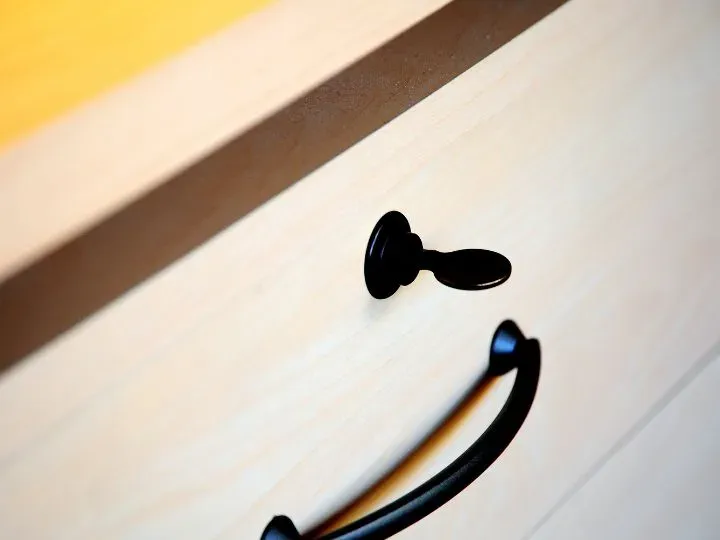
Cam Locks are traditional cylinder locks that require a key to operate. They’re installed directly into the cabinet door or drawer face and provide robust security. These locks are ideal for cabinets containing valuable items or important documents.
Sliding Locks feature a simple mechanism that slides to lock and unlock. While less secure than keyed options, they’re quick to install and perfect for basic child-proofing or keeping cabinet doors from swinging open.
Electronic Locks offer keyless convenience through keypads, RFID cards, or smartphone apps. Though more expensive, they eliminate the need for physical keys and can provide access logs.
Tools and Materials Needed
Before starting your installation, gather these essential items:
- Drill with appropriate bits (typically 3/4-inch spade bit for cam locks)
- Screwdriver set
- Measuring tape
- Pencil for marking
- Level
- Safety glasses
- The cabinet lock hardware
- Screws (usually included with the lock)
For magnetic locks, you’ll also need the magnetic key and mounting hardware. Electronic locks may require batteries and programming instructions.
Step-by-Step Installation Process
Planning and Measurement forms the foundation of successful installation. Measure your cabinet doors and drawers to determine the optimal lock placement. For cam locks, the standard position is centered both horizontally and vertically on the door face. Mark your drilling points with a pencil and double-check measurements before proceeding.
Drilling the Lock Hole requires precision and patience. For cam locks, use a 3/4-inch spade bit to drill through the cabinet door at your marked location. Drill slowly to prevent splintering, and place a piece of scrap wood behind the door to ensure a clean exit hole. The hole should be perfectly perpendicular to the door surface.
Installing the Lock Mechanism involves inserting the lock cylinder from the outside of the cabinet door. The threaded portion should extend through to the inside, where you’ll secure it with the provided nut or mounting hardware. Tighten firmly but avoid over-tightening, which could damage the cabinet material.
Testing and Adjustment ensures your lock functions properly. Insert the key and test the locking mechanism several times. The lock should turn smoothly without binding. If resistance occurs, check that the lock is properly seated and the mounting hardware is correctly positioned.
For magnetic locks, the process involves mounting the locking mechanism inside the cabinet and positioning the magnetic key holder. These locks typically attach with screws and require careful alignment to ensure the magnetic connection engages properly.
Common Installation Challenges
Thin Cabinet Doors can present challenges for standard cam locks designed for thicker materials. If your cabinet doors are less than 3/4-inch thick, look for locks specifically designed for thin applications or consider surface-mounted alternatives.
Irregular Door Shapes or decorative panels may require creative positioning. In these cases, focus on finding a flat, stable area for mounting while maintaining the lock’s functionality and security.
Multiple Cabinets with different door styles may need different lock types. Consider using the same key system across multiple locks for convenience, which many manufacturers offer as keyed-alike options.
Security Tips and Best Practices
Position locks away from hinges and handles where they’re less likely to be tampered with or accidentally damaged. For maximum security, install locks on both doors of double-door cabinets rather than relying on a single lock to secure both sides.
Keep spare keys in a secure location separate from the locked cabinets. Consider giving a spare to a trusted family member or neighbor in case of emergencies. For electronic locks, ensure you have backup access methods and keep batteries fresh.
Regular maintenance extends lock life and ensures continued security. Periodically lubricate mechanical locks with graphite (never oil, which attracts dirt), check that mounting screws remain tight, and test electronic locks’ battery levels.
When Professional Installation Makes Sense
While most cabinet lock installations are straightforward DIY projects, certain situations warrant professional assistance. Complex electronic systems, locks requiring significant cabinet modifications, or installations in expensive custom cabinetry may benefit from professional expertise.
Historic or antique cabinets require special consideration to preserve their value and integrity. High-security applications or commercial installations often have specific requirements that professionals understand better than typical homeowners.
If you encounter unexpected complications during installation, such as hidden wiring or structural issues, stopping and consulting a professional can prevent costly damage to your cabinets.
Maintaining Your Investment
Proper maintenance keeps your cabinet locks functioning reliably for years. Clean the lock mechanism periodically with a dry cloth, avoiding harsh chemicals that could damage finishes or internal components. For keyed locks, occasional lubrication with graphite powder prevents sticking and ensures smooth operation.
Monitor electronic locks for low battery warnings and replace batteries promptly to avoid lockouts. Keep programming instructions and backup codes in a safe place for future reference.
Professional Support When You Need It
While DIY installation works well for most situations, sometimes you need expert guidance or professional installation. Whether you’re dealing with complex security requirements, valuable antique cabinets, or simply want the peace of mind that comes with professional installation, experienced locksmiths can provide valuable assistance.
For residents in the Rockland area, Driscoll’s Lock & Key has been providing trusted locksmith services since 1968. Their experienced team can help with everything from lock selection and installation to security consultations and emergency services. When your cabinet security needs go beyond basic DIY solutions, having a reliable local locksmith makes all the difference.
Installing cabinet locks is an achievable weekend project that significantly enhances your home’s security and safety. With proper planning, the right tools, and attention to detail, you can secure your kitchen cabinets effectively and affordably. The 30-minute investment per cabinet pays dividends in protection and peace of mind for years to come.