
Business security has changed dramatically over the past decade. Traditional mechanical locks, while still common, are increasingly being replaced by electronic lock systems that offer stronger protection, greater control, and smarter management features.
For many businesses, managing physical keys has become a daily problem like lost keys, unauthorized duplicates, and constant rekeying after employee turnover all create unnecessary risk and expense.
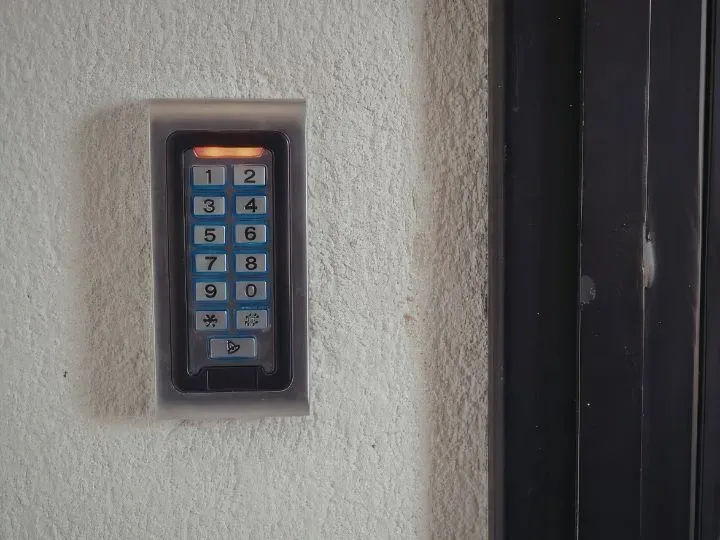
Electronic lock systems solve these issues by replacing traditional keys with digital access methods such as keypads, key cards, mobile credentials, or biometric entry. The result is tighter security and more efficient operations.
Here are seven key reasons businesses are making the switch.
1. Enhanced Security Control
One of the biggest advantages of electronic lock systems is improved security control.
Instead of relying on physical keys that can be copied or lost, businesses can assign unique access credentials to each employee. This means every entry is tracked and controlled digitally.
Most systems also include audit trails, allowing managers to see exactly who accessed a door and when. This is especially valuable in offices, warehouses, and restricted areas where accountability matters.
If an employee leaves the company, access can be revoked instantly. No need to change locks or worry about missing keys still in circulation.
2. Easy Access Management for Employees
Managing employee access becomes much simpler with electronic systems.
Instead of handing out physical keys, businesses can assign or remove access in seconds. This is especially useful in workplaces with high employee turnover or shift-based staffing.
Temporary access codes can also be issued to contractors, delivery personnel, or cleaning staff without compromising long-term security.
Everything is controlled through a centralized dashboard or mobile app, making it easy for managers to adjust permissions in real time without being physically present.
3. Reduced Long-Term Costs
While electronic lock systems may require a higher upfront investment, they often save businesses money over time.
Traditional lock systems require frequent rekeying whenever keys are lost or employees leave. These costs add up quickly, especially in larger organizations.
Electronic systems eliminate the need for rekeying entirely. There are no physical keys to replace, no locksmith callouts for lock changes, and fewer hardware replacements due to wear.
Over time, the reduction in maintenance, labor, and security incidents leads to a strong return on investment.
4. Improved Employee Accountability
Electronic lock systems create a clear record of access activity, which improves accountability across the organization.
Every entry is logged digitally, showing who accessed a specific area and at what time. This helps businesses monitor activity in sensitive areas and reduce internal security risks.
It also supports better operational oversight. Managers can track attendance patterns, verify access during incidents, and ensure employees are following security protocols.
In industries where compliance is important, such as healthcare, logistics, and finance, these logs can also help meet regulatory requirements.
5. Remote Access and Smart Integration
Modern businesses need flexibility, and electronic lock systems deliver exactly that.
With remote access capabilities, managers can lock or unlock doors from anywhere using a smartphone or computer. This is especially useful for businesses with multiple locations or off-site management.
Many systems also integrate with other security technologies such as CCTV cameras, alarm systems, and motion sensors. This creates a more complete and responsive security network.
Real-time alerts can notify business owners of suspicious activity, attempted breaches, or forced entry attempts.
6. Higher Durability and Reliability
Electronic lock systems are designed for long-term commercial use and are often more durable than traditional locks.
Because they reduce mechanical key usage, there is less physical wear and tear on lock components. Many systems are built to withstand heavy daily use in high-traffic environments such as offices, retail stores, and warehouses.
They are also designed with backup power options, ensuring continued operation during outages. This helps maintain security even in unexpected situations. With fewer mechanical parts to fail, businesses experience fewer lock-related disruptions over time.
7. Better Scalability for Growing Businesses
As businesses grow, their security needs become more complex. Electronic lock systems are built to scale easily.
Whether adding new doors, expanding to new locations, or restructuring departments, access can be managed centrally without replacing physical infrastructure.
Different access levels can be assigned to different roles, ensuring employees only enter areas relevant to their job responsibilities.
Conclusion
Switching to electronic lock systems is a strategic move toward better security, lower costs, and improved operational control.
From eliminating lost keys to enabling remote management and real-time access tracking, these systems offer clear advantages over traditional locks. For businesses that want stronger protection and greater efficiency, now is the time to make the switch.
Ready to upgrade your business security? Driscoll’s Lock & Key is here to help. Contact us now to schedule a consultation or book an installation and find the right electronic lock system for your property.