
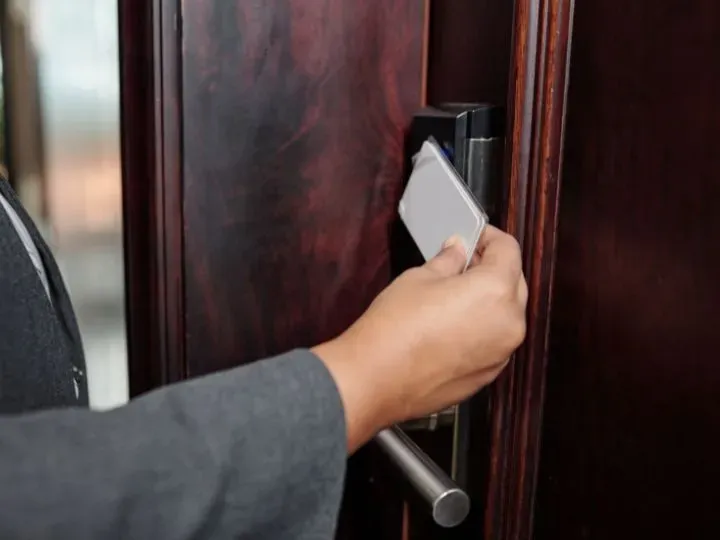
Controlling who has access to your business is one of the most important parts of maintaining security. While standard locks and keys work for many properties, they can present a serious challenge when copies of keys are made without authorization. Over time, this can lead to a situation where multiple people may have access to your building without your knowledge.
A restricted key system is designed to solve this issue. These systems prevent unauthorized key duplication and give business owners better control over who can access certain areas of their property. For companies that rely on secure access control, installing a restricted key system can be a smart and proactive investment.
But how do you know when it’s time to make the switch? Below are several situations where installing a restricted key system can significantly improve security and peace of mind.
When You Need Better Control Over Key Duplication
One of the biggest advantages of a restricted key system is that it prevents unauthorized key copying. Standard keys can easily be duplicated at many hardware stores or key kiosks without proof of ownership.
With a restricted key system, however, keys can only be duplicated by an authorized locksmith and only with proper authorization. This ensures that additional keys cannot be made without the business owner’s permission.
When Multiple Employees Require Different Levels of Access
As businesses grow, so does the need to manage who can access different parts of the property. For example, some employees may need access to offices and workspaces, while others may only require entry to common areas.
Restricted key systems can be designed as part of a master key system, allowing different keys to open specific doors while management retains full access to all areas. This layered approach helps businesses control access without needing a large number of separate keys.
When Employee Turnover Is High
Businesses with frequent staff changes often face a common challenge: controlling what happens to keys after an employee leaves. If keys are not returned, there’s always the possibility that someone still has access to the property.
With a restricted key system, the risk of unauthorized duplicates is greatly reduced. Since keys cannot be easily copied, businesses have greater confidence that former employees cannot distribute copies to others.
In some cases, the system can also be reconfigured or rekeyed to maintain security without replacing all of the locks, making it a more efficient solution for businesses with regular personnel changes.
When Sensitive Areas Require Extra Security
Many businesses have specific areas that require additional protection, such as:
- Offices containing confidential documents
- Inventory or supply rooms
- Server rooms or IT equipment areas
- Financial records storage
A restricted key system helps ensure that only authorized personnel can access these locations. By assigning keys to specific individuals and tracking their distribution, businesses can significantly reduce the risk of unauthorized entry. This type of controlled access is particularly important for industries that handle sensitive data or valuable assets.
When Your Business Has Experienced Security Concerns
If your business has previously experienced a security incident, reviewing your key control system is a smart step.
Traditional lock systems do not offer strong safeguards against unauthorized duplication. Over time, it can become difficult to know exactly how many copies of a key exist.
Installing a restricted key system helps eliminate that uncertainty. By limiting duplication and maintaining tighter control over key distribution, businesses can strengthen their security measures and reduce the likelihood of future issues.
When Your Business Is Expanding
Growth is an exciting milestone for any company, but it can also introduce new security challenges. Opening additional offices, expanding into larger facilities, or managing multiple departments requires a more organized approach to access control.
A restricted key system can be designed to scale alongside your business. Whether you need different access levels for managers, maintenance staff, and employees, these systems can be customized to fit the structure of your organization.
Installing a restricted key system during expansion ensures that security remains strong even as your operations grow.
Professional Installation Matters
While restricted key systems offer many advantages, proper installation and configuration are essential. A professional locksmith can evaluate your business’s layout, access needs, and security priorities to design a system that works effectively.
This may include setting up master keys, assigning access levels, and ensuring the system is built to grow alongside your business. With expert guidance, businesses can implement a solution that balances convenience with strong security.
Conclusion
If your business is struggling to manage key duplication, control access across multiple departments, or improve overall security, installing a restricted key system may be the right solution. These systems provide greater control, reduce unauthorized duplication, and help businesses maintain a safer environment for employees and assets.
The experienced team at Driscoll’s Lock & Key can help you determine whether a restricted key system is right for your property. Contact us today to learn more about how our commercial locksmith services can help strengthen your business security.