In today’s world of increasing identity theft and mail fraud, securing your mailbox has never been more important. Your mailbox contains sensitive information including bank statements, medical documents, and personal correspondence. Understanding the difference between USPS-approved locks and standard mailbox locks can help you make the right security choice for your home.
Understanding USPS-Approved Locks
USPS-approved locks are specifically designed to meet the standards set by the United States Postal Service. These locks have several key characteristics:
- Universal Access: USPS-approved locks allow postal carriers to access multiple mailboxes with a single master key, enabling efficient mail delivery.
- Arrow Lock System: Many USPS-approved locks feature the “arrow lock” design, which is standardized across postal installations nationwide.
- Durability Requirements: These locks must meet specific durability standards to withstand daily use and various weather conditions.
- Tamper Resistance: USPS-approved locks have built-in security features to resist picking and tampering.
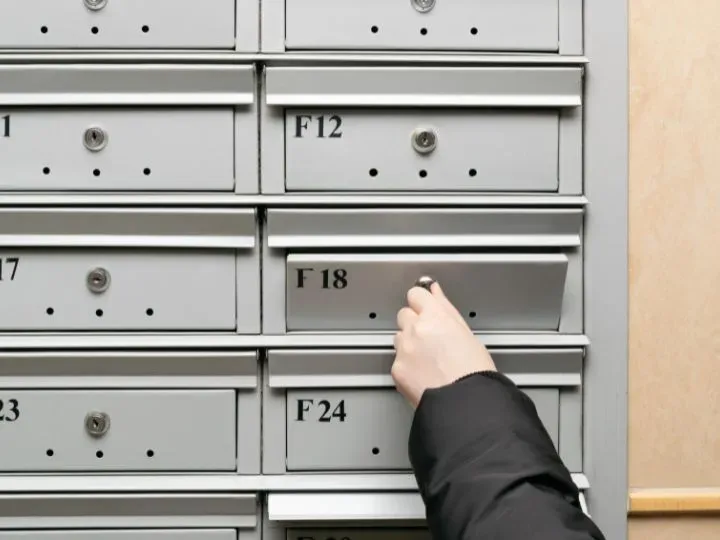
USPS-approved locks are mandatory for cluster box units (CBUs), apartment complexes, and certain community mailbox installations. If you live in an area with centralized mail delivery, your mailbox likely already has a USPS-approved locking mechanism.
Standard Mailbox Locks: The Alternative Option
Standard mailbox locks are those not specifically designed for postal service access. These include:
- Personal Padlocks: Simple padlocks that secure a mailbox hasp.
- Keyed Cam Locks: Common in many standalone residential mailboxes.
- Combination Locks: Locks requiring a numeric code rather than a key.
- Smart Locks: Newer electronic locks with keyless entry features.
Standard locks provide security but operate outside the USPS master key system. This means your mail carrier may need to place mail through a slot rather than opening the box if it’s secured with a non-USPS lock.
Key Differences Homeowners Should Consider
When deciding between USPS-approved and standard locks, consider these factors:
Installation Requirements
USPS-approved locks typically require professional installation or approval from your local post office. Unauthorized replacement of USPS locks is prohibited and can result in mail delivery issues.
Standard locks can usually be installed by homeowners without special permission, making them more convenient for DIY security upgrades.
Security Level
While both types offer security, USPS-approved locks must meet specific tamper-resistance standards. However, this doesn’t necessarily mean they’re always more secure than high-quality standard locks.
Many premium standard locks offer advanced security features like pick resistance and hardened steel construction that may exceed basic USPS requirements.
Mail Delivery Considerations
The primary advantage of USPS-approved locks is uninterrupted mail service. Postal carriers can access and secure your mailbox without issue.
With standard locks, you’ll need to ensure your mailbox design still allows for mail delivery, usually through a separate slot or opening that doesn’t require carrier access to the locked compartment.
Cost Comparison
USPS-approved locks typically cost more than standard options, particularly when considering professional installation. Expect to pay between $30-$75 for a quality USPS-approved lock plus installation costs.
Standard mailbox locks generally range from $10-$50 depending on quality and features, with minimal installation costs if you choose to do it yourself.
Making the Right Choice for Your Home
Consider these factors when deciding which lock type is right for your residential mailbox:
- Location: Urban areas with higher mail theft rates may benefit from more secure locking systems.
- Mailbox Type: Standalone boxes vs. community mailboxes have different requirements.
- Local Regulations: Some homeowners’ associations or municipalities have specific mailbox security requirements.
- Mail Volume: Households receiving sensitive documents regularly may need enhanced security.
When to Replace Your Mailbox Lock
Regardless of which type you choose, watch for these signs indicating it’s time for replacement:
- Difficulty inserting or turning the key
- Visible rust or corrosion
- Signs of tampering or attempted break-ins
- After moving into a new home (previous owners may have duplicate keys)
- Following any mail theft incident
Professional Installation vs. DIY
While standard locks can often be replaced as a DIY project, USPS-approved locks require specialized knowledge. When residents of Rockland County face mailbox security concerns, many turn to local professionals for guidance.
Driscoll’s Lock & Key offers comprehensive mailbox security consultations for Rockland County homeowners. Their locksmiths can help determine whether a USPS-approved or standard lock makes more sense for your specific situation, and they provide professional installation to ensure your mailbox meets both security and postal service requirements.
Conclusion
The choice between USPS-approved and standard mailbox locks depends on your specific circumstances, mailbox type, and security needs. While USPS-approved locks offer the convenience of seamless mail delivery, quality standard locks can provide comparable security for many homeowners.
Whatever option you choose, regularly maintaining and inspecting your mailbox lock is essential to protecting your mail and personal information. If you’re uncertain about the best option for your home, consulting with a professional locksmith can provide personalized guidance based on your specific needs and local mail delivery practices.
Frequently Asked Questions
Are USPS-approved mailbox locks more secure than standard locks?
Not necessarily. USPS-approved locks are designed to meet the requirements of particular mailbox systems, while standard locks vary widely in quality and security features.
Can I replace my USPS mailbox lock myself?
It depends on the type of mailbox and who owns the equipment. Privately owned residential mailboxes may allow simpler lock replacement, while centralized systems can have specific requirements.
Will changing my mailbox lock affect mail delivery?
It can if the replacement is incompatible with the mailbox or interferes with the way mail is delivered. Make sure the new lock is appropriate for your mailbox before replacing it.
How do I know which mailbox lock I need?
Start by identifying your mailbox type and the existing lock mechanism. If you’re uncertain, a locksmith can help determine which replacement is compatible.
When should I replace my mailbox lock?
Consider replacing it if the lock is damaged, difficult to operate, showing signs of tampering, or if you’ve lost your key or are concerned that someone else has a copy.