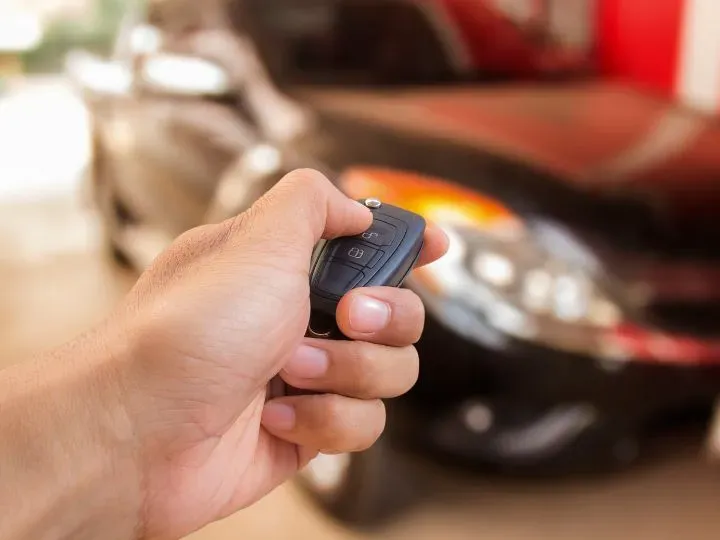
Modern vehicles have made driving more convenient with keyless entry and push-button start systems. Instead of fumbling for a traditional key, you can unlock your doors and start your car with a key fob in your pocket or bag. But when your vehicle suddenly displays a “No Key Detected“ message or refuses to start, that convenience can quickly turn into frustration.
The good news is that a car not detecting the key fob is often caused by a simple issue, such as a dead battery or signal interference. In other cases, the problem may involve your vehicle’s electrical system or require professional key fob programming.
Why Won’t My Car Detect My Key Fob?
If your car won’t detect the key fob, the most common causes include a dead key fob battery, signal interference, a weak vehicle battery, programming issues, physical damage to the key fob, or a faulty receiver inside the vehicle. Many of these problems can be resolved with a few simple troubleshooting steps before professional assistance is needed.
Signs Your Car Isn’t Detecting the Key Fob
Your vehicle may be experiencing a key detection issue if you notice any of the following:
- A “No Key Detected” or similar warning appears on the dashboard.
- The push-button start does not respond.
- The doors won’t unlock or lock remotely.
- The vehicle only starts when the key fob is held against the start button.
- You have to stand much closer to the vehicle than usual for the key fob to work.
- The problem occurs intermittently before becoming more frequent.
Recognizing these signs early can help you address the issue before you’re left stranded.
1. The Key Fob Battery Is Dead or Weak
A weak battery is by far the most common reason a car won’t recognize a key fob. Most key fob batteries last between one and four years, depending on how often the remote is used.
As the battery weakens, you may notice that the operating range becomes shorter or that you need to press the buttons multiple times before the vehicle responds.
Fortunately, replacing the battery is usually quick and inexpensive. Most key fobs use coin-cell batteries such as CR2032 or CR2025 models. Simply install the correct replacement battery according to your owner’s manual, ensuring it is inserted with the proper orientation.
Replacing the battery does not typically erase your key fob’s programming.
2. Signal Interference Is Blocking Communication
Your key fob communicates with your vehicle using radio frequency signals. Other electronic devices or nearby equipment can sometimes interfere with that communication.
Common sources of interference include:
- Smartphones
- Bluetooth devices
- Wi-Fi equipment
- Radio towers
- High-voltage power lines
- Large electronic signs
- Parking garages with heavy electronic traffic
If your key fob suddenly stops working in one location but functions normally elsewhere, interference is likely the cause.
Try moving a short distance away or holding the key fob closer to the driver’s door handle or push-button start.
3. The Key Fob Has Been Damaged
Even though key fobs are built for everyday use, they can still suffer damage after being dropped, exposed to moisture, or crushed inside a pocket or bag.
A damaged key fob may have:
- A cracked housing
- Corroded battery contacts
- Water damage
- Broken internal components
- A damaged antenna
If replacing the battery doesn’t restore normal operation and you notice visible damage, the key fob itself may need repair or replacement.
4. Your Car Battery Is Weak
Sometimes the issue isn’t the key fob at all.
A weak or failing vehicle battery may not provide enough power for the car’s electronic systems to properly detect the key fob. This is especially common during cold weather or if the battery is nearing the end of its lifespan.
Other signs of a weak car battery include:
- Slow engine cranking
- Dim headlights
- Flickering dashboard lights
- Electrical accessories behaving inconsistently
If your vehicle has difficulty starting in addition to key detection problems, have the battery tested as soon as possible.
5. The Key Fob Needs to Be Reprogrammed
Although uncommon, key fobs can lose synchronization with the vehicle.
This may happen after:
- Replacing certain vehicle electronics
- Disconnecting the vehicle battery
- Software updates
- Repeatedly pressing buttons while the key fob is out of range
Some vehicles allow owners to reprogram a key fob using a specific sequence described in the owner’s manual. Others require specialized programming equipment that only dealerships or qualified automotive locksmiths possess.
6. The Vehicle’s Receiver or Electrical System Has Failed
Your car contains a receiver that constantly searches for your key fob’s signal. If that receiver malfunctions, your vehicle may fail to recognize any programmed key.
Possible causes include:
- Faulty receiver modules
- Blown fuses
- Wiring problems
- Immobilizer system faults
- Software issues
If neither your primary nor spare key fob works, the problem is more likely within the vehicle itself rather than the remote.
Professional diagnostic equipment is often required to identify these issues accurately.
7. Environmental Conditions Are Affecting Performance
Extreme temperatures can temporarily affect electronic devices, including key fobs.
Very cold weather reduces battery output, while excessive heat may damage internal electronics over time. Moisture and humidity can also lead to corrosion inside the key fob.
Whenever possible, avoid leaving your key fob inside a hot vehicle or exposing it to prolonged moisture.
8. You’re Too Far Away From the Vehicle
Every key fob has a limited operating range.
If you’re standing too far away or objects such as metal structures, walls, or other vehicles block the signal, your car may not detect the key.
Moving closer usually solves the problem. Some manufacturers also recommend holding the key fob directly against the start button if the battery is weak.
What to Do When Your Car Won’t Detect the Key Fob
Before calling for professional help, try these troubleshooting steps:
- Replace the key fob battery.
- Move closer to the vehicle.
- Remove nearby electronic devices that could cause interference.
- Try using your spare key fob.
- Use your vehicle’s emergency start procedure.
- Check the condition of your car battery.
- Inspect the key fob for physical damage.
- Review your owner’s manual for model-specific instructions.
These simple steps resolve many key fob issues without requiring repairs.
When Should You Call an Automotive Locksmith?
If you’ve tried replacing the battery and basic troubleshooting without success, it’s time to seek professional assistance.
An experienced automotive locksmith can:
- Diagnose key fob communication issues
- Test signal strength
- Program replacement key fobs
- Replace damaged smart keys
- Cut emergency mechanical keys
- Reset immobilizer systems
- Verify whether the issue lies with the vehicle or the key fob
In many cases, an automotive locksmith can provide faster and more affordable service than a dealership.
Preventing Future Key Fob Problems
A little maintenance can help extend the life of your key fob.
Some simple habits include:
- Replace the battery every one to two years before it dies completely.
- Keep the key fob clean and dry.
- Avoid dropping it on hard surfaces.
- Store spare key fobs in a safe location.
- Keep the key fob away from strong magnets and excessive heat.
These small precautions can reduce the likelihood of unexpected failures.
Get Expert Help With Key Fob Problems
Most key fob issues are caused by a weak battery, signal interference, or simple electronic glitches that can be resolved quickly. However, when replacing the battery and following basic troubleshooting steps don’t solve the problem, professional diagnosis is the safest and most efficient solution.
At Driscoll’s Lock & Key, we provide reliable automotive locksmith services for drivers throughout Rockland County. Whether you need key fob programming, a replacement smart key, emergency car key services, or help diagnosing a vehicle that won’t recognize your key fob, our experienced technicians are ready to help. Contact us today to get back on the road quickly and with confidence.
Frequently Asked Questions
Can I start my car if the key fob battery is dead?
Yes. Most push-button start vehicles include an emergency starting procedure that allows the car to recognize the passive chip inside the key fob. Consult your owner’s manual for your vehicle’s specific instructions.
Why does my car only detect the key fob sometimes?
Intermittent detection is often caused by a weak key fob battery, radio frequency interference, or a failing receiver module inside the vehicle.
Will replacing the key fob battery erase the programming?
No. In most modern vehicles, replacing the battery does not affect the key fob’s programming.
Can a dead car battery prevent the key fob from working?
Yes. If the vehicle battery is too weak, the electronic systems responsible for detecting the key fob may not function properly.
Can a locksmith program a replacement key fob?
Yes. Professional automotive locksmiths can program replacement key fobs for many makes and models, often saving you time and money compared to visiting a dealership.