When it comes to securing your home, choosing the right lock is one of the most critical decisions you’ll make. With advances in technology, homeowners now face a choice between time-tested traditional deadbolts and modern smart locks. Each option offers distinct advantages and potential drawbacks that can significantly impact your home’s security, convenience, and long-term costs.
Understanding Traditional Deadbolts
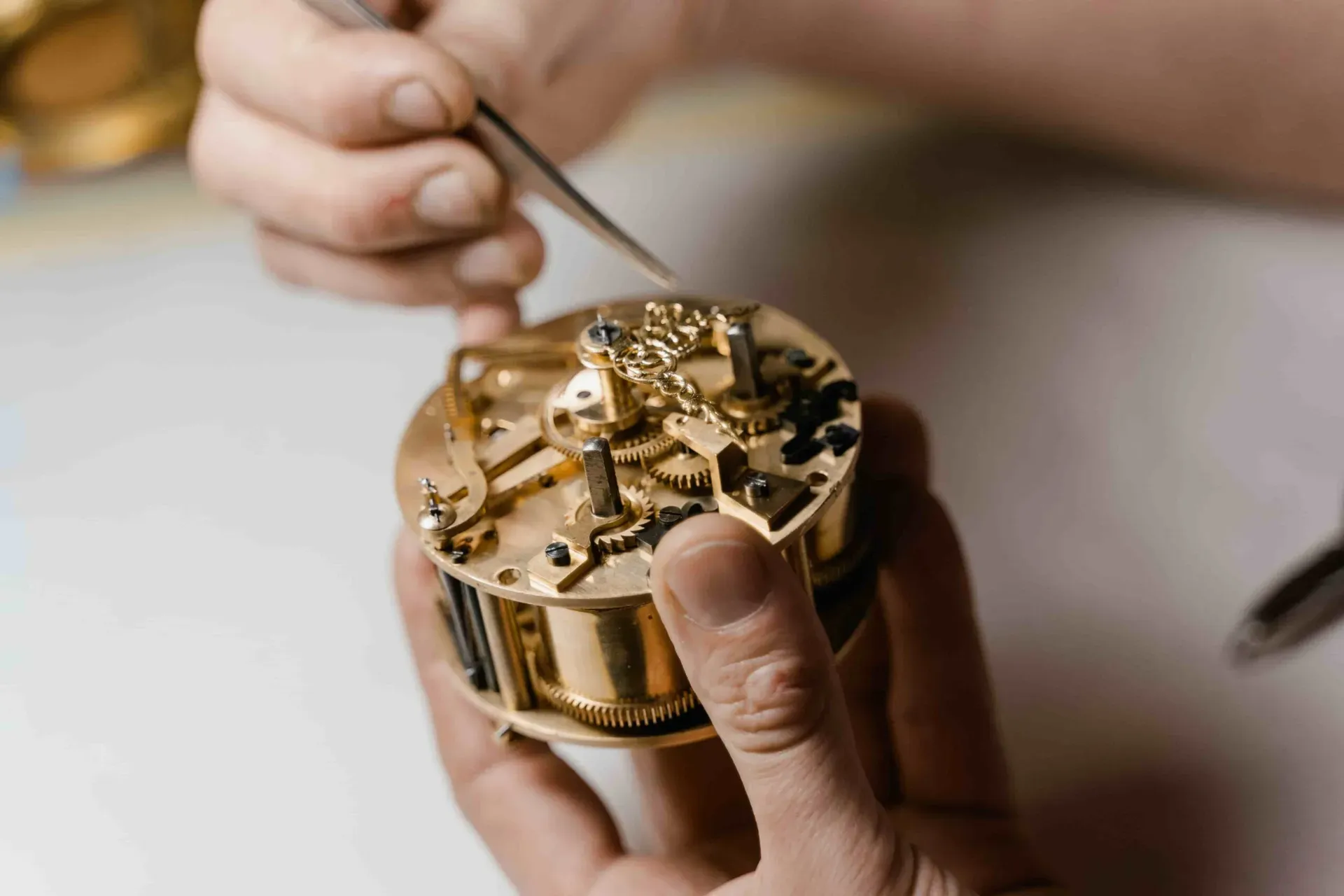
Traditional deadbolts have been the gold standard of home security for decades, and for good reason. These mechanical locks operate using a simple yet effective system where a metal bolt extends into the door frame, creating a secure barrier against forced entry.
Advantages of Traditional Deadbolts
Proven Reliability: Traditional deadbolts have stood the test of time, offering consistent performance regardless of weather conditions, power outages, or technological failures. Their mechanical nature means fewer components that can malfunction, making them extremely dependable for daily use.
Cost-Effective Security: The initial investment in a quality traditional deadbolt is typically much lower than smart lock alternatives. Additionally, maintenance costs remain minimal, with most deadbolts lasting for years without requiring repairs or component replacements.
Universal Compatibility: Traditional deadbolts work with virtually any door type and thickness. They don’t require specific door preparations or electronic infrastructure, making them suitable for older homes or rental properties where modifications may be limited.
No Power Dependencies: Unlike their electronic counterparts, traditional deadbolts function completely independently of electrical power. This means you’ll never face the inconvenience of being locked out due to dead batteries or power outages.
Limitations of Traditional Deadbolts
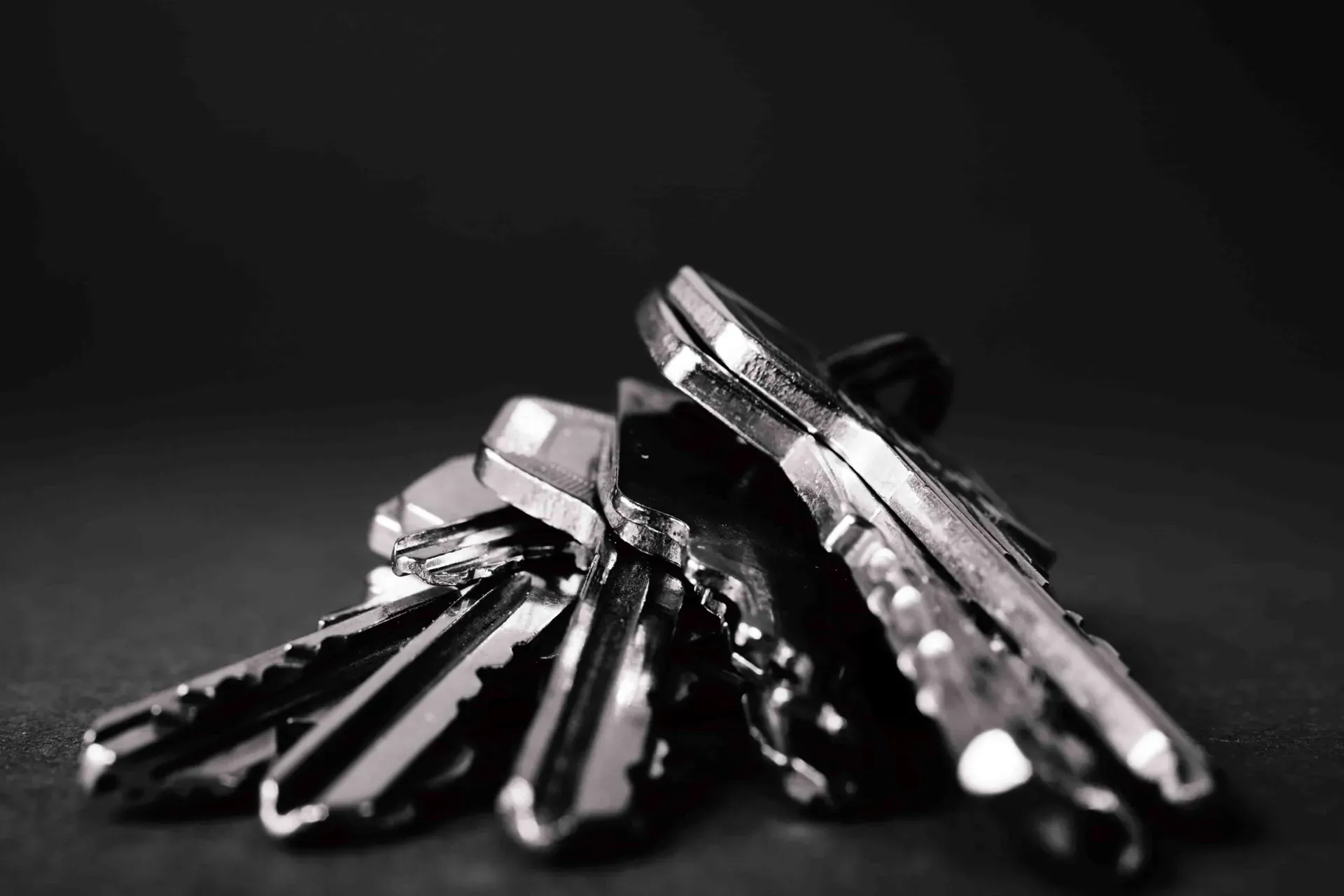
Key Management Challenges: Physical keys can be lost, stolen, or duplicated without your knowledge. Managing multiple keys for family members or service providers can become cumbersome, and changing locks when keys are compromised requires professional rekeying services.
Limited Access Control: Traditional deadbolts offer no way to monitor who enters or exits your home, nor can you grant temporary access without providing physical keys. This limitation can be particularly challenging for busy families or those who frequently have guests or service providers.
Security Vulnerabilities: While quality deadbolts provide excellent security, they remain vulnerable to lock picking, key bumping, and forced entry techniques. Additionally, if keys are lost or stolen, you won’t know if your home’s security has been compromised.
Exploring Smart Lock Technology
Smart locks represent the evolution of home security, integrating electronic components with traditional locking mechanisms to offer enhanced convenience and control. These devices typically connect to your smartphone or home automation system, allowing remote operation and monitoring.
Advantages of Smart Locks
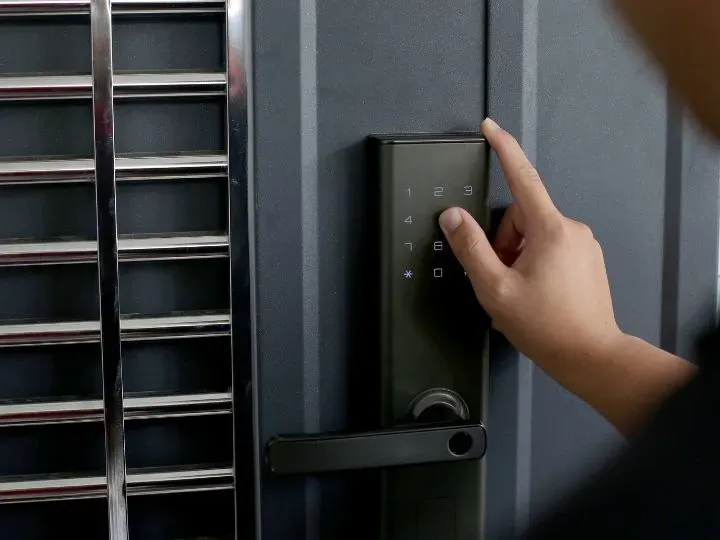
Enhanced Convenience: Smart locks eliminate the need to carry physical keys, allowing entry through smartphones, key fobs, or keypad codes. This convenience is particularly valuable for families with children, elderly family members, or anyone who frequently misplaces keys.
Advanced Access Control: Most smart locks allow you to create temporary access codes for guests, service providers, or rental guests. You can monitor when these codes are used and deactivate them as needed, providing unprecedented control over who accesses your home and when.
Integration Capabilities: Modern smart locks integrate seamlessly with home automation systems, allowing you to create custom scenarios like automatically locking doors when you leave or unlocking them when your security system is disarmed.
Security Monitoring: Many smart locks provide detailed access logs, alerting you when doors are locked or unlocked. This feature helps you monitor your home’s security status remotely and can provide valuable information if security issues arise.
Limitations of Smart Locks
Technology Dependencies: Smart locks rely on batteries for power and often require stable internet connections for full functionality. Battery failures can leave you locked out, while connectivity issues may prevent remote access or monitoring features from working properly.
Higher Costs: The initial investment in smart locks is significantly higher than traditional deadbolts, and ongoing costs may include battery replacements, software updates, and potential repair or replacement of electronic components.
Complexity and Learning Curve: Smart locks often require setup through smartphone apps and may need periodic software updates. This complexity can be challenging for less tech-savvy users and may create additional points of failure.
Potential Security Vulnerabilities: While smart locks offer many security advantages, they also introduce new potential vulnerabilities through their electronic components and network connections. Hacking attempts, while rare, represent a security concern that doesn’t exist with traditional mechanical locks.
Security Considerations
When evaluating security between smart locks and traditional deadbolts, both options can provide excellent protection when properly selected and installed. The key lies in understanding your specific security needs and choosing products that meet appropriate industry standards.
High-quality traditional deadbolts that meet ANSI Grade 1 standards provide excellent resistance to forced entry, lock picking, and drilling attempts. Professional installation ensures proper door frame reinforcement and optimal security performance.
Smart locks offer additional security features like automatic locking, tamper alerts, and detailed access logging. However, they require regular software updates and proper cybersecurity practices to maintain their security integrity. When choosing smart locks, look for devices that use advanced encryption protocols and have been independently tested for security vulnerabilities.
For homes requiring the highest security levels, many security professionals recommend combining smart lock convenience with traditional deadbolt reliability through dual-lock systems or smart locks with mechanical backup options.
Installation and Maintenance Requirements
Traditional deadbolt installation is relatively straightforward and can often be completed by homeowners with basic tools and skills. However, proper installation is crucial for security effectiveness, particularly ensuring adequate door frame reinforcement and precise alignment of lock components.
Smart locks typically require more complex installation procedures, including battery installation, smartphone app setup, and network configuration. While many homeowners can handle basic smart lock installation, professional installation services ensure optimal performance and can address any door preparation requirements.
Maintenance requirements differ significantly between the two options. Traditional deadbolts need periodic lubrication and may require professional service if they become difficult to operate. Smart locks require regular battery monitoring, software updates, and occasional cleaning of electronic components. Additionally, smart locks may need professional service for electronic component failures or connectivity issues.
Cost Analysis
The total cost of ownership extends beyond initial purchase prices and should include installation, maintenance, and potential replacement costs over time.
Traditional deadbolts typically cost between $25-$200 for quality units, with professional installation adding $50-$150 to the total investment. Maintenance costs remain minimal, with most quality deadbolts providing decades of reliable service.
Smart locks range from $100-$500 for consumer models, with professional-grade units potentially costing more. Installation costs are similar to traditional deadbolts unless door modifications are required. Ongoing costs include battery replacements, potential software subscription fees, and higher likelihood of needing replacement due to electronic component failures.
When calculating long-term costs, consider factors like the convenience value of smart features, potential insurance benefits for enhanced security systems, and the cost implications of key management with traditional locks.
Choosing the Right Option for Your Home
The decision between smart locks and traditional deadbolts depends on your specific circumstances, priorities, and lifestyle requirements.
Choose Traditional Deadbolts if:
- Budget is a primary concern
- You prefer proven, simple technology
- Power outages are common in your area
- You rarely need to grant access to others
- You’re comfortable with physical key management
Choose Smart Locks if:
- Convenience and remote access are priorities
- You frequently need to grant temporary access
- You want detailed monitoring of door activity
- You have a comprehensive home automation system
- You’re comfortable with technology and regular maintenance
Consider Hybrid Solutions if:
- You want maximum security and convenience
- Budget allows for higher initial investment
- You need backup access methods
- You want the benefits of both systems
For many homeowners, the ideal solution may involve using smart locks on primary entry doors for convenience while maintaining traditional deadbolts on secondary entrances for reliability and cost-effectiveness.
Professional Guidance and Installation
Regardless of which option you choose, proper installation and periodic maintenance are crucial for optimal security performance. While some homeowners may be comfortable with DIY installation, professional locksmith services ensure proper door preparation, correct installation, and optimal security configuration.
Experienced locksmiths can evaluate your specific security needs, recommend appropriate products, and provide ongoing maintenance services. For residents in the Rockland County area, established locksmith services like Driscoll’s Lock & Key have been providing expert installation and maintenance for both traditional and electronic lock systems since 1968, offering the experience needed to guide homeowners toward the best security solutions for their specific needs.
Professional installation also ensures warranty protection and can identify potential door or frame issues that might compromise security effectiveness regardless of lock type chosen.
Making Your Decision
The choice between smart locks and traditional deadbolts isn’t necessarily binary. Many security experts recommend a layered approach that might include smart locks for convenience on main entrances combined with traditional deadbolts for reliability on secondary doors.
Consider your daily routines, security concerns, budget constraints, and technical comfort level when making this decision. Both options can provide excellent security when properly selected, installed, and maintained. The key is choosing the system that best fits your lifestyle while providing the security level appropriate for your home and neighborhood.
Remember that no lock system is completely foolproof, and the most effective home security combines quality locks with other security measures like proper lighting, security cameras, and neighborhood awareness. Whatever system you choose, ensure it’s properly installed and maintained to provide the security and convenience you need for years to come.
Whether you opt for the time-tested reliability of traditional deadbolts or embrace the convenience of smart lock technology, the most important factor is choosing quality products and ensuring proper installation. Your home’s security is too important to compromise on quality or installation standards, regardless of which technology you select.