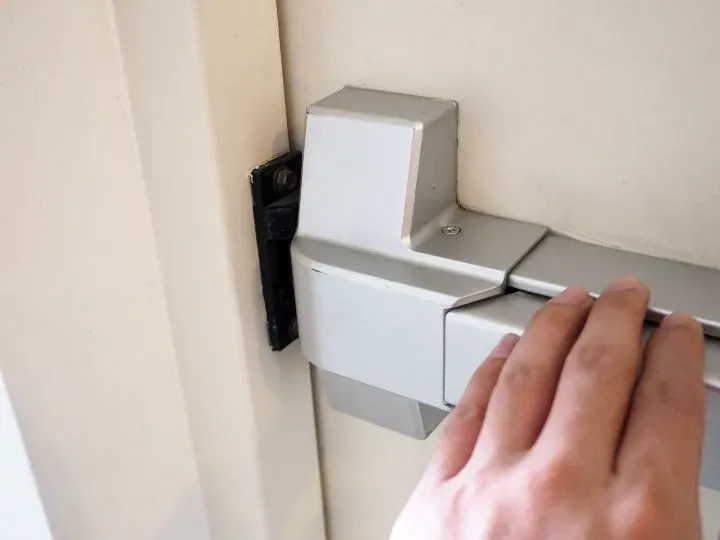
Proper installation of push bars (also known as panic bars or exit devices) is crucial for both building safety and security. These devices are essential components in emergency exit systems, allowing for quick egress during emergencies while maintaining security against unauthorized entry. However, many building owners and facility managers overlook how installation standards directly impact security ratings and overall effectiveness.
The Critical Relationship Between Installation and Security
Push bars are designed to meet specific security ratings based on testing under ideal installation conditions. When these devices are improperly mounted, their actual performance can deviate significantly from their rated capabilities.
The American National Standards Institute (ANSI) and Builders Hardware Manufacturers Association (BHMA) classify exit devices into three grades:
- Grade 1: Highest commercial rating (1,000,000 cycles)
- Grade 2: Intermediate commercial rating (500,000 cycles)
- Grade 3: Residential/light commercial rating (250,000 cycles)
However, these ratings assume correct installation according to manufacturer specifications.
Common Installation Issues That Compromise Security
Improper Door Preparation
Exit devices must be mounted on doors that meet specific strength requirements. When installed on doors with inadequate structural integrity or improper reinforcement, even Grade 1 devices can fail prematurely.
Incorrect Mounting Height
Push bars should be installed at a consistent height between 34-48 inches from the floor, per ADA requirements. Mounting outside this range not only violates accessibility standards but can create leverage points that compromise security.
Misaligned Strike Plates
Strike plate alignment is perhaps the most overlooked aspect of installation. Even minor misalignments of 1/16″ can dramatically reduce the effective security rating by creating stress points that accelerate wear and potentially allow for forced entry techniques.
Inadequate Fastener Selection
The security chain is only as strong as its weakest link. Using incorrect fasteners—whether in size, material, or quantity—can undermine the entire system. Manufacturers specify particular fasteners for a reason, and substitutions should never be made without consulting security professionals.
How Installation Affects Specific Security Features
Dogging Mechanisms
Dogging features (which hold the latch in a retracted position) require precise adjustment. Improper installation can lead to malfunctions where the device appears secure but isn’t fully engaged, creating a false sense of security.
Electric Latch Retraction
For facilities using electronic access control integrated with push bars, installation precision becomes even more critical. Electrical components must be properly aligned and secured to prevent intermittent failures or security vulnerabilities.
Multi-Point Locking Systems
High-security applications often utilize push bars with multiple locking points. The alignment of these components requires specialized knowledge and precise installation techniques to maintain their rated security level.
Code Compliance and Liability Considerations
Beyond security concerns, improper installation can create significant liability issues. Exit devices must comply with:
- Local building codes
- NFPA 101 Life Safety Code
- ADA requirements
- Insurance underwriter specifications
Non-compliant installations can result in failed inspections, insurance claim denials, and potentially catastrophic outcomes during emergencies.
Best Practices for Ensuring Proper Installation
- Always follow manufacturer installation instructions exactly
- Use installation templates provided by manufacturers
- Ensure proper door preparation before mounting
- Use only specified fasteners and hardware
- Verify proper operation under various conditions after installation
- Document installation with photographs and written records
- Schedule regular maintenance inspections
The Value of Professional Installation
While some facility maintenance teams have the expertise to install push bars correctly, the complexity and critical nature of these security devices often warrant professional installation. Experienced locksmiths understand the nuances of different manufacturers’ products and how installation details affect long-term performance.
When selecting a professional installer, look for:
- Manufacturer certifications
- Experience with your specific hardware
- Knowledge of applicable codes and standards
- Proper insurance and credentials
Expert Installation Makes the Difference
For businesses and facilities in need of properly installed push bars and exit devices, Driscoll’s Lock & Key provides professional installation services that ensure your security hardware performs to its rated capabilities. Their experienced technicians understand how proper mounting affects long-term performance and security ratings.
Regular maintenance and periodic inspection of your exit devices are just as important as proper installation. Contact security professionals who understand these critical systems to maintain your facility’s safety and security.
Remember that the actual security of your facility depends not just on the grade of hardware purchased, but on how well it’s installed and maintained over time.
Frequently Asked Questions
Why is proper push bar installation important?
Proper installation helps ensure that a push bar operates reliably during an emergency and provides the security intended by its manufacturer. Incorrect mounting, misalignment, or unsuitable fasteners can affect the device’s performance and compliance with applicable building codes.
What is the correct height for installing a panic bar?
The required mounting height depends on applicable building codes, accessibility requirements, and the device’s installation instructions. In the United States, ADA accessibility standards generally specify operable parts within a 34- to 48-inch range, where applicable. Local requirements should also be checked.
Can improper installation affect a push bar’s security rating?
Yes. A device’s performance depends on proper installation and compatibility with the door and frame. Even a high-grade exit device may not perform as intended if it is incorrectly mounted or adjusted.
How often should push bars and exit devices be inspected?
Inspection frequency depends on the applicable codes, the building’s use, and the manufacturer’s recommendations. Exit devices should also be checked regularly for loose hardware, misalignment, damaged components, and proper operation.
Should I hire a professional locksmith to install a push bar?
Professional installation can help ensure that the exit device is correctly fitted, adjusted, and compatible with the door. A qualified locksmith can also help identify relevant code requirements and address problems with existing hardware.
What codes apply to push bar installation?
Requirements may include applicable local building and fire codes, NFPA 101 Life Safety Code, and relevant accessibility standards. The specific requirements depend on the building type, occupancy, and location. Always verify the standards that apply to your facility before installation.