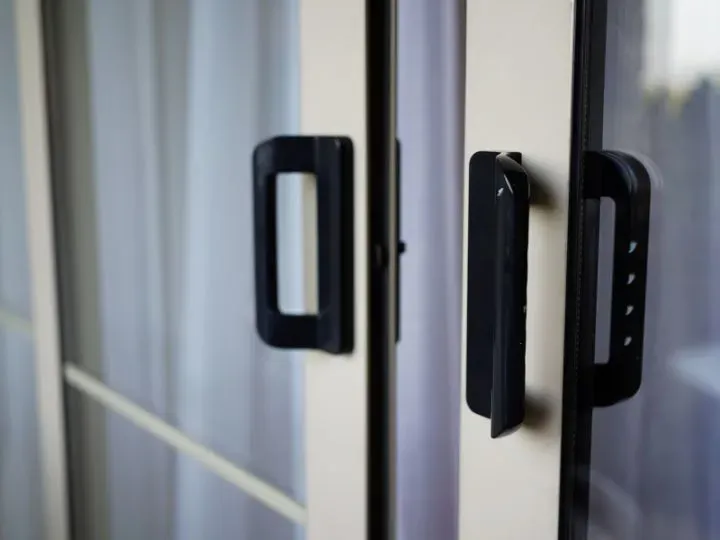
Sliding glass doors are a favorite feature in many homes. They bring in natural light, connect indoor and outdoor spaces, and create a welcoming sense of openness. Unfortunately, they’re also one of the most common entry points for burglars. Standard sliding doors often come with flimsy latches that are more about convenience than true security. If you rely solely on the original hardware, your home may be more vulnerable than you think.
The good news is that stronger, smarter lock options exist. With the right setup, a sliding door can be just as secure as your front entrance.
Why Sliding Patio Doors Are a Security Weak Point
Most sliding doors are designed for smooth operation, not high security. The built-in latch is usually a simple hook that catches the frame. A burglar can often bypass it by lifting the door off its track, wiggling the frame, or even prying with a screwdriver.
Other vulnerabilities include:
- Large glass panels – Easy to see through, and in some cases, easy to shatter.
- Exposed tracks – Doors can sometimes be forced open from outside.
- Standard locks – Many rely on basic latches not built for heavy force.
This doesn’t mean you should avoid sliding doors. It just means reinforcing them with the right locks and security measures is essential.
Types of Sliding Door Locks That Actually Work
Not every patio door needs the same type of lock. The best option depends on the door’s construction, frame, existing hardware, and how you use the entrance.
1. Mortise Locks
Mortise locks are installed inside the edge of the sliding door rather than simply being attached to the surface. Many use a hook-style latch that engages with a strike or keeper mounted to the frame.
This design can provide a more secure connection than a basic factory latch. Mortise locks are also commonly found on higher-quality sliding doors.
If your existing mortise lock is damaged or no longer engaging properly, replacing it with a compatible model may be a practical way to improve security without replacing the entire door.
2. Keyed Sliding Door Locks
A keyed lock adds another layer of protection by requiring a key to unlock the door.
This can be particularly useful for patio doors that serve as a secondary entrance or are located in an area that isn’t visible from the street. Depending on the hardware, keyed locks may be available for different installation configurations.
Before choosing one, make sure the lock is compatible with the door and frame. A sliding door lock that doesn’t fit correctly won’t provide the protection you expect.
3. Loop Locks
A loop lock uses a metal component that engages with a catch to prevent the sliding panel from moving.
These locks can provide an additional physical barrier beyond the door’s existing latch. They can also be useful when homeowners want a simple secondary lock that doesn’t require replacing the original hardware.
Because installation location matters, the lock needs to be positioned so that it engages securely without interfering with normal operation of the door.
4. Security Bars and Rods
Sometimes the simplest solution is one of the most practical.
A security bar or adjustable rod can be placed in the sliding door’s track to physically prevent the panel from moving. Even if someone manages to defeat the primary latch, the blocked track can stop the door from sliding open.smart lo
These devices are generally inexpensive and easy to use. The main drawback is convenience. You need to remove or reposition the bar whenever you want to open the door.
5. Pin Locks
Pin locks provide another straightforward way to restrict movement. A pin is installed through the sliding panel and frame, preventing the door from moving when the pin is engaged.
This type of sliding door lock can work well as a secondary security measure. It is especially useful for homeowners who want something simple rather than a complicated locking system.
As with any hardware installation, the holes need to be positioned correctly. Improper installation can damage the door or prevent the lock from working as intended.
6. Smart Locks
Smart locks have also become an option for certain sliding doors.
Depending on the product, smart locking systems can offer features such as keypad entry, smartphone control, automatic locking, or integration with a broader home security system.
They can be convenient for households that don’t want to rely on physical keys. However, compatibility is especially important with smart locks. Sliding doors come in many configurations, and not every smart lock will work with every patio door.
Additional Ways to Secure Sliding Doors
Locks are critical, but combining them with other measures gives you the best protection:
- Shatterproof Film: Security film makes glass harder to break, keeping intruders out even if they smash it.
- Pin Locks: A small pin inserted through the frame keeps the door from sliding, similar to how a deadbolt works on a hinged door.
- Alarm Sensors: Door and glass-break sensors connected to your home alarm system add immediate detection.
- Curtains or Blinds: Reducing visibility prevents would-be intruders from scouting valuables inside.
- Track Maintenance: Keeping tracks clean and aligned ensures that locks and reinforcements fit securely.
Choosing the Right Lock for Your Patio Door
Not every lock works for every door, so consider these factors before making a choice:
- Material of Your Door Frame: Aluminum and vinyl doors may need different mounting methods compared to wood.
- Usage Habits: Do you use the sliding door daily, or mostly for backyard access? Daily use may favor keyed or smart locks, while occasional use may work well with bars or pins.
- Budget: Security bars and pin locks are affordable, while smart locks or double-bolt systems are higher-end investments.
- Professional Installation: While some locks are DIY-friendly, others require precise installation to function correctly.
Other Ways to Improve Sliding Glass Door Security
A stronger lock is a good starting point, but you don’t necessarily have to stop there.
Security film can be applied to the glass to help hold broken pieces together if the panel is struck. It doesn’t make the glass impossible to break, but it can add another layer of resistance.
Alarm sensors can alert you when the door is opened or when connected glass-break detection identifies a potential problem. These systems can be particularly useful when the patio door is located away from frequently occupied areas of the house.
You should also pay attention to the door track. Dirt, debris, damaged rollers, and alignment problems can affect how securely the door closes and locks. Keeping the track clean and addressing mechanical problems can help the door and its locking hardware function properly.
Curtains or blinds can also reduce visibility into the home at night. While they aren’t a physical security device, limiting the view of valuables can make the patio door less appealing as a target.
Why Professional Installation Matters
It’s tempting to pick up a lock at the hardware store and install it yourself. But if the hardware is misaligned or improperly secured, you won’t get the protection you paid for.
A Driscoll’s Lock and Key professional locksmith can:
- Assess your current door and frame for weaknesses
- Recommend lock options tailored to your home
- Install hardware correctly so it can withstand force
- Re-key or integrate locks with your existing security system
This not only saves time but also ensures maximum effectiveness.
Conclusion
Your sliding patio door shouldn’t be the easiest entry point into your home. Replacing a worn latch, adding a secondary lock, or upgrading the existing hardware can make a meaningful difference in how secure the entrance is.
If you’re unsure which sliding door lock will work with your patio door, Driscoll’s Lock & Key can assess the existing hardware and help you choose a suitable security solution. Schedule a sliding door lock service and get your patio door secured properly.
Frequently Asked Questions
What is the most secure lock for a sliding patio door?
There isn’t one lock that is best for every sliding door. A properly installed mortise lock, keyed lock, or compatible secondary locking system can provide strong security depending on the door’s construction.
Can I add a lock to an existing sliding glass door?
In many cases, yes. Several types of secondary locks can be added to existing patio doors. Compatibility and proper installation are important, particularly with older doors.
Are security bars effective for sliding doors?
Security bars can be an effective secondary measure because they physically prevent the door from sliding. They work best when properly fitted and used in combination with the door’s primary locking mechanism.
Should I replace my entire sliding door for better security?
Not necessarily. If the door, frame, and glass are in good condition, upgrading the locking hardware may be enough to improve security. A locksmith can help determine whether the existing door can be reinforced.