Your business depends on more than cameras and alarm systems to stay secure. High-security commercial locks can provide an important layer of protection by making unauthorized entry more difficult and giving you better control over who has access to your property.
But with the higher cost compared with standard commercial locks, are they really worth the investment? For many businesses, the answer depends on the type of property, what needs to be protected, and how many people require access.
What Are High-Security Commercial Locks?
High-security commercial locks are designed with features that make them more difficult to bypass, manipulate, or compromise than conventional locks. They may use stronger materials, specialized locking mechanisms, and restricted key systems.
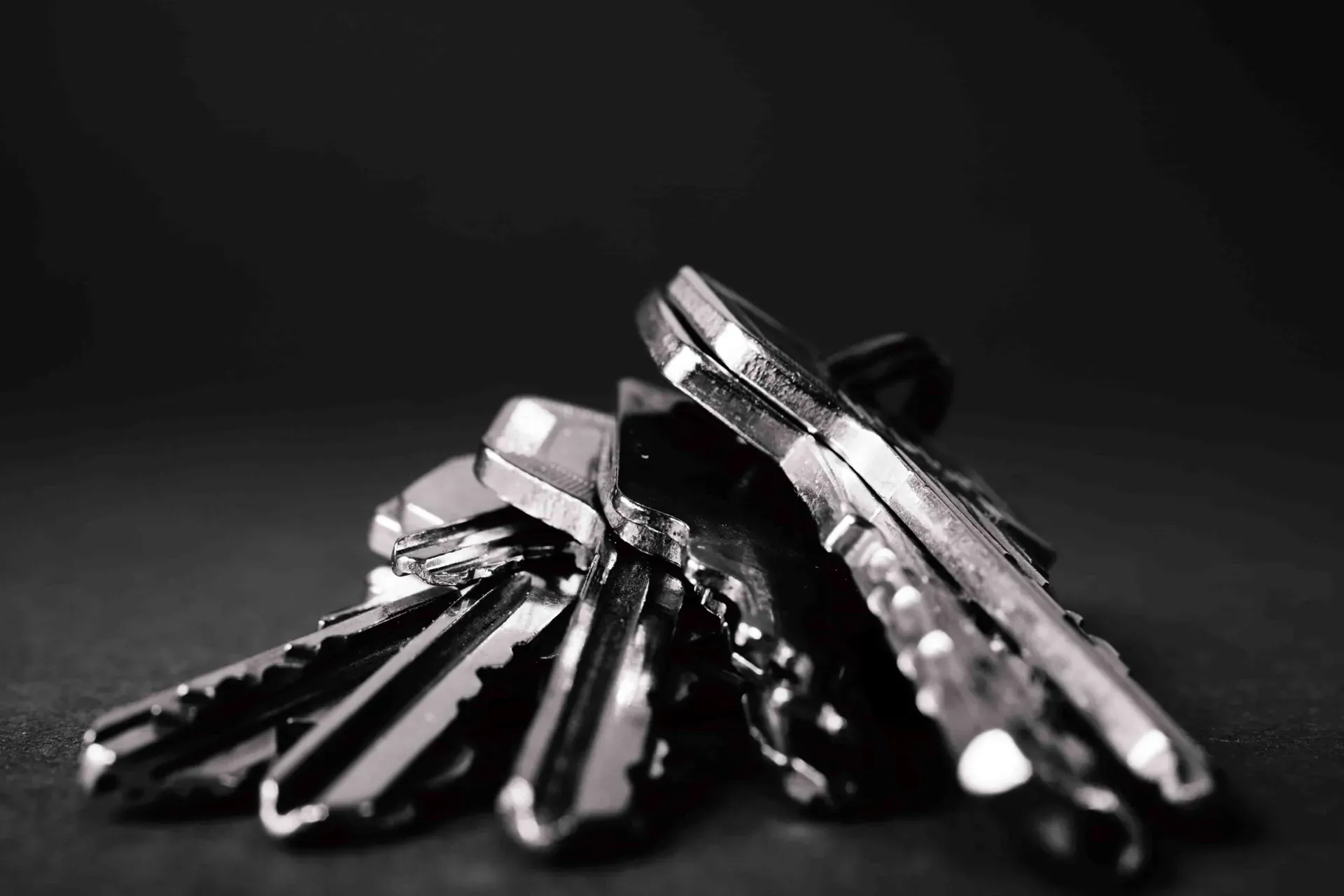
One important feature is controlled key duplication. With a standard key, getting a duplicate made may be relatively simple. High-security systems can restrict who is authorized to duplicate keys, giving business owners greater control over who has access.
These locks can also be designed to resist common forms of physical attack, including picking, drilling, and other types of tampering. The exact level of protection varies depending on the lock system, so businesses should choose a solution based on their specific security requirements.
5 Benefits of Upgrading to High-Security Commercial Locks
1. Better Protection Against Unauthorized Entry
A stronger lock can make it more difficult for someone to gain entry through a locked door. High-security locks incorporate features designed to provide greater resistance to common lock manipulation and physical attacks.
While no lock can guarantee that a property will never be broken into, upgrading vulnerable doors can make unauthorized access more difficult.
2. Greater Control Over Keys
Key control can become a major concern as a business grows. Employees may come and go, keys can get lost, and multiple people may need access to the same building.
Restricted key systems can help businesses manage this problem. Depending on the system, duplicate keys may only be available through authorized channels. This can reduce the risk of unauthorized copies circulating among employees or former staff members.
3. Better Protection for High-Value Areas
Not every door in a commercial property has the same security requirements. A storage closet may not need the same protection as a server room or cash-handling area.
High-security locks can be especially useful for areas containing expensive equipment, sensitive documents, inventory, cash, or other valuable assets. Businesses can prioritize these locations instead of necessarily upgrading every lock on the property.
4. Easier Access Management When Employees Leave
Employee turnover can create security concerns when former employees still have keys to a business. The situation becomes even more complicated when keys have been copied and the business does not know exactly who has them.
A controlled key system gives businesses a more organized way to manage physical access. If keys are lost or access needs change, a locksmith can also help determine whether rekeying or replacing the affected locks is appropriate.
5. A Long-Term Security Investment
The upfront cost of high-security locks may be higher than standard options, but price should not be the only consideration.
Businesses should also consider durability, maintenance, access management, and the potential consequences of compromised security. Replacing locks after a break-in or dealing with unauthorized access can be disruptive and expensive.
For businesses with greater security risks, investing in stronger locks from the beginning may make sense as part of a broader security strategy.
Are High-Security Commercial Locks Worth the Cost?
For many businesses, they can be, but not necessarily for every door.
High-security locks may be particularly valuable for retail businesses with expensive inventory, offices handling confidential information, warehouses, industrial facilities, and businesses with restricted-access areas. They can also be useful for companies with numerous employees or frequent staff turnover.
However, upgrading to the most advanced lock available is not always necessary. A business should first identify its most vulnerable entry points and the areas that require additional protection.
The goal is not simply to buy the most expensive locks. It is to choose the right level of security for the property and the risks involved.
What Should You Consider Before Upgrading?
Start by evaluating your existing locks. Are they old, damaged, or difficult to manage? Has your business experienced lost keys, unauthorized access, or a break-in? How many employees currently have keys?
You should also consider which areas require restricted access. Main entrances, employee-only areas, storage rooms, offices, and other sensitive locations may have different security needs.
Professional installation is another important consideration. Even a high-quality commercial lock may not provide its intended protection if it is installed incorrectly or paired with a weak door or frame. A qualified locksmith in Rockland can evaluate your current setup and help determine where an upgrade would provide the most value.
Conclusion
High-security commercial locks can be a worthwhile investment when a business needs stronger protection and better control over physical access. The right solution depends on your property, operations, and security concerns.
Driscoll’s Lock & Key can help you evaluate your current locks and identify the right security solution for your property. Call today to schedule commercial locksmith service.
Frequently Asked Questions
Are high-security locks harder to break into?
High-security locks are designed to provide greater resistance to common methods of picking, drilling, tampering, and unauthorized entry. However, no lock is completely impossible to defeat.
Can high-security locks prevent unauthorized key duplication?
Some high-security systems use restricted keyways and controlled duplication, which can limit who is authorized to obtain duplicate keys.
Do all commercial doors need high-security locks?
Not necessarily. Businesses can prioritize doors and areas based on their security requirements, the value of what they protect, and who needs access.
When should commercial locks be replaced?
Locks may need replacement when they are damaged, outdated, repeatedly malfunctioning, or when there are concerns that keys have been compromised.