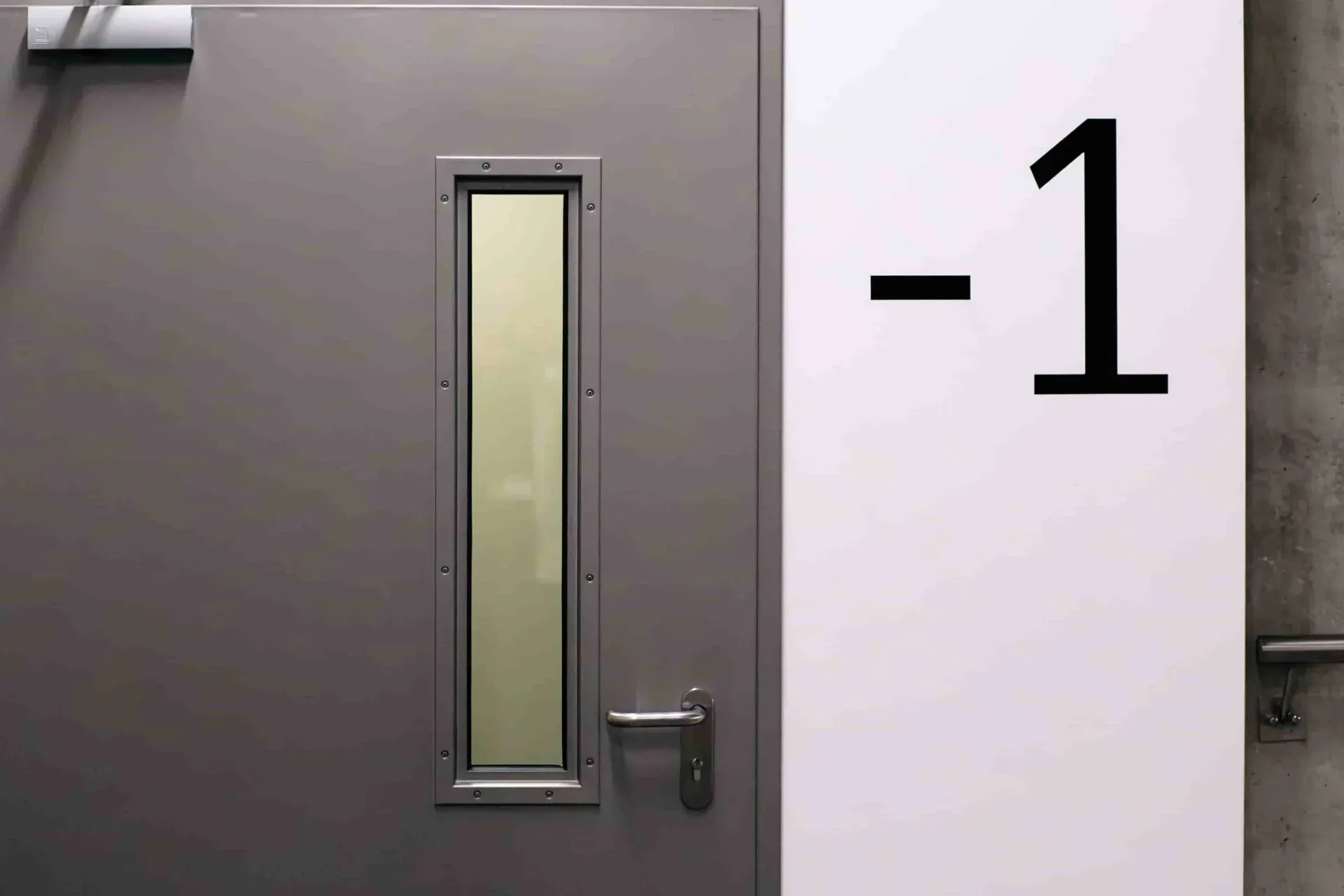
A door closer may seem like a small piece of hardware, but it plays an important role in how a door operates. It helps control the door as it closes, prevents unnecessary slamming, and ensures the door returns to its closed position after use.
When choosing a door closer, you may come across standard and heavy-duty options. While both are designed to control a door’s movement, they are intended for different applications. Door weight, traffic levels, and the type of property can all affect which option makes sense.
What Is a Door Closer?
A door closer is a mechanical device that controls a door as it opens and closes. It is commonly installed at the top of a door and uses hydraulic or other mechanisms to regulate its movement.
A properly selected and adjusted door closer can:
- Help keep doors from slamming shut
- Control closing speed
- Make door operation more consistent
- Help ensure a door closes after someone passes through
- Support the overall function of access and security hardware
Door closers are available in different sizes and strengths. Choosing the right one is important because a closer that is not suited to the door may not perform reliably.
Standard Door Closers: When Are They a Good Fit?
Standard door closers are generally designed for doors with moderate usage and weight. They can be a practical choice for many offices, smaller commercial spaces, interior doors, and other areas that do not experience constant traffic.
For example, an office door that is opened periodically throughout the day may not require the additional strength of a heavy-duty closer. A properly sized standard closer can provide the necessary control without adding more hardware than the application requires.
Standard closers can also be useful when the door is relatively lightweight and the surrounding hardware does not have to withstand frequent, demanding use.
However, traffic levels can change how well a standard closer performs over time. A door that initially seemed appropriate for a standard model may eventually need a more durable option if usage increases.
Heavy-Duty Door Closers: What Makes Them Different?
Heavy-duty door closers are designed for applications where doors experience greater demands. They are generally built to handle heavier doors and repeated opening and closing more effectively than standard models.
These closers can be useful in high-traffic commercial environments where a door may be used throughout the day. Busy entrances, apartment buildings, schools, commercial facilities, and other frequently used areas may benefit from a heavy-duty option.
The additional durability can be especially useful when a door is constantly being opened and closed. Instead of selecting a stronger closer simply because it sounds like the better option, though, the hardware should still be matched to the specific door and application.
A heavy-duty closer that is not properly sized or adjusted can create its own operating problems. The goal is to find a closer that provides enough control and durability without making the door unnecessarily difficult to use.
Heavy Duty vs. Standard Door Closer: Key Differences
When deciding between the two, several practical factors should be considered.
Door Weight and Size
The size and weight of the door are among the first things to evaluate. Larger or heavier doors generally require a closer capable of handling the additional load.
A standard closer may struggle when installed on a door that exceeds its intended capacity. Selecting the appropriate strength helps the closer operate more consistently.
Traffic Volume
How often the door is used also matters. A door in a quiet office may only be opened a limited number of times each day, while an entrance to a busy commercial building may be used continuously.
High-traffic doors place more demands on their hardware. In these situations, a heavy-duty closer may provide the durability needed for repeated operation.
Durability
Frequent use can contribute to wear on door hardware. Heavy-duty closers are typically better suited to environments where consistent performance is required throughout the day.
That does not mean a standard closer is poorly suited to commercial use. It simply needs to be appropriate for the door’s weight and expected level of activity.
Cost
Standard door closers are often a more economical choice when the application does not require additional strength. Heavy-duty models may have a higher initial cost, but the added durability can make them worthwhile for demanding environments.
The lowest-priced option is not always the most practical choice. Matching the closer to the application can help avoid premature wear and repeated hardware issues.
How to Choose the Right Door Closer for Your Property
Start by looking at how the door is used. Consider its weight, size, location, and expected traffic throughout the day.
Ask yourself:
- How heavy is the door?
- How frequently is it opened and closed?
- Is it an interior or exterior door?
- Is it located at a busy entrance?
- Does the door need specific closing control?
- Are there accessibility, fire-safety, or building requirements that need to be considered?
The door’s existing hardware should also be evaluated. A closer does not work in isolation, and problems with hinges, alignment, or other hardware can affect how easily the door opens and closes.
Professional locksmith installation can also help ensure the closer is correctly sized, mounted, and adjusted for the application.
When Should You Replace or Upgrade a Door Closer?
A door closer may need repair or replacement when it no longer controls the door properly. Signs can include a door slamming shut, closing too quickly, failing to close completely, or becoming unusually difficult to operate.
Visible damage, leaking hydraulic fluid, or excessive wear can also indicate that the closer needs attention.
An upgrade may be worth considering if the door’s usage has increased or if the existing closer is no longer suitable for the demands placed on it.
Choose the Right Door Closer for Your Property
A door closer doesn’t need to be the heaviest or most expensive option to do its job well. What matters is whether it can handle the door’s weight and the amount of traffic it sees every day.
The wrong choice can show up in everyday use as doors that slam, fail to close, or become harder to operate. Driscoll’s Lock & Key can help you avoid that mismatch and get the right door closer in place for the way your property is actually used.
Contact us to discuss your door hardware needs and find a closer suited to the way your door is used.
Frequently Asked Questions
Is a heavy-duty door closer better than a standard one?
Not necessarily. The best option depends on the door’s weight, size, traffic level, and intended use.
Can a heavy-duty closer be installed on any door?
Not automatically. The closer should be properly matched to the door and application to ensure safe and reliable operation.
How long do door closers typically last?
Lifespan varies depending on the closer’s quality, installation, maintenance, and how frequently the door is used.
Can a door closer be adjusted?
Many door closers allow adjustments to settings such as closing speed. Adjustments should be made carefully to avoid creating operating or safety problems.