Patio doors are a beautiful and practical addition to any home, offering natural light, easy outdoor access, and a seamless connection to your backyard or patio. But while they’re convenient, they can also be a potential security weak point if not properly secured.
Choosing the right patio door locks, installing them correctly, and maintaining them regularly is essential for both safety and peace of mind. In this guide, we’ll cover everything you need to know about patio door locks, from types and installation tips to maintenance and enhanced security strategies.
Understanding Patio Door Locks
Patio door locks are designed to secure sliding, French, or hinged patio doors, preventing unauthorized access while keeping your family and belongings safe. Unlike standard interior locks, patio door locks must handle frequent use, resist tampering, and work with heavier door materials like glass and wood.
An unsecured patio door can make a home vulnerable to break-ins. According to home security experts, sliding doors without proper locking mechanisms are among the easiest entry points for intruders. When choosing a patio door lock, consider durability, ease of use, and the security rating. These factors will help ensure your door provides both convenience and protection.
Types of Patio Door Locks
Choosing the right lock depends on your door type, how often it’s used, and your home’s security needs. Here’s a breakdown of the most common patio door locks:
1. Mortise Locks
Mortise locks are installed inside the door itself and are often used on hinged patio doors. They provide strong security because the locking mechanism is fully encased, making it harder for intruders to tamper with. While installation can be more complex, these locks offer excellent durability and a professional appearance.
2. Sliding Bolt Locks/Security Bars
Sliding bolt locks, also called security bars, are mounted on the door frame and manually slide into place to block movement. They’re ideal for added security on sliding patio door locks and can often be combined with other locking mechanisms for maximum protection.
3. Keyed Locks
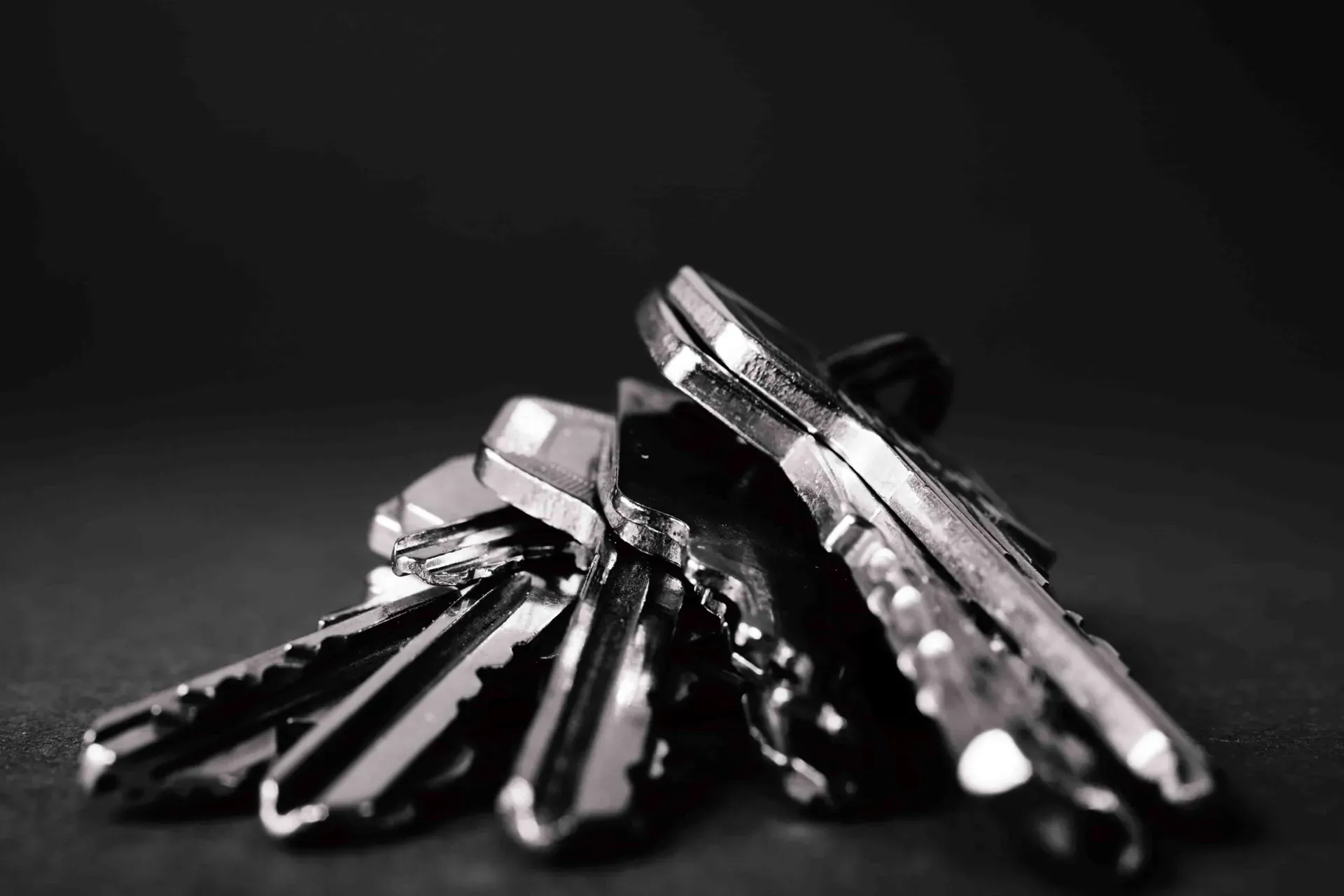
Keyed patio door locks require a key to lock and unlock the door. They’re useful when you want controlled access, such as a door shared between multiple family members. Keyed locks can be installed on both sliding and hinged doors, providing versatility along with security.
4. Foot Locks
Foot locks are mounted near the bottom of a sliding door and lock the door in place with a simple lever. These locks are convenient for daily use and act as a secondary security measure, preventing doors from being lifted off their tracks.
5. Smart/Electronic Locks
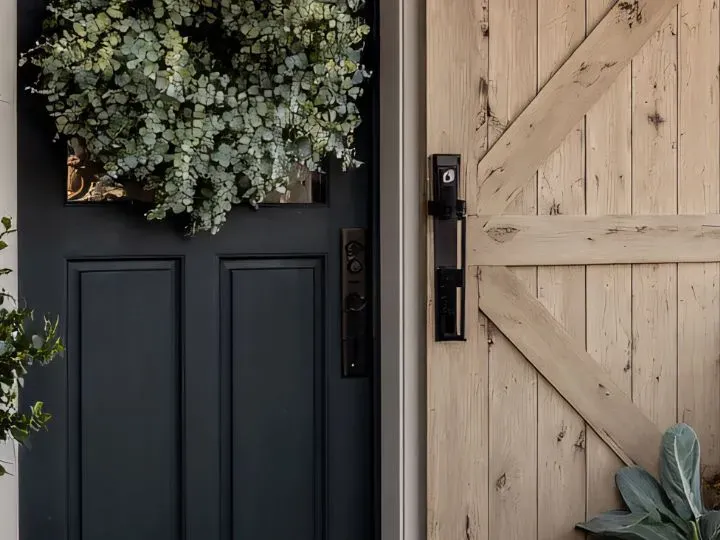
Modern smart locks integrate with home automation systems and can be controlled via smartphones, keypads, or voice commands. While convenient, they require proper installation and occasional software updates to ensure ongoing security.
When selecting a lock, consider your door material, the frequency of use, and whether you want a traditional mechanical option or a tech-enabled solution. A combination of locks can often provide the best protection.
Installation Tips
Installing a patio door lock may seem straightforward, but proper installation is critical for both security and functionality. Here are some key tips:
DIY vs Professional Installation
Some locks are simple enough for homeowners to install themselves, while others like mortise locks may require a professional locksmith. DIY installation can save money, but hiring an expert ensures the lock functions correctly and offers maximum security.
Tools Needed
Basic tools for installing a patio door lock include:
- Screwdriver or drill
- Measuring tape
- Lock template (if provided)
- Pencil or marker for alignment
Step-by-Step Basics
- Measure and Mark: Accurately mark where the lock will be installed. Misalignment can cause the lock to stick or fail.
- Pre-Drill Holes: For stronger installation, pre-drill screw holes to avoid splitting the door or frame.
- Install the Lock Mechanism: Follow the manufacturer’s instructions carefully. Ensure the lock slides or turns smoothly.
- Test the Lock: Open and close the door multiple times to confirm proper operation.
Safety Precautions
Always wear protective gear and double-check measurements before drilling. Incorrect installation can compromise both security and the lock’s lifespan.
Maintenance and Longevity
Even the best patio door locks need regular maintenance to remain effective. Proper upkeep can prevent jams, corrosion, and wear.
Regular Inspection
Check your locks at least twice a year for loose screws, bent latches, or signs of tampering. Addressing small issues early prevents bigger problems later.
Lubrication
Use a silicone-based or graphite lubricant to keep the lock mechanism operating smoothly. Avoid oil-based lubricants, which can attract dirt and gunk.
Cleaning Tips
Clean locks and surrounding areas with a damp cloth. Avoid harsh chemicals that could damage metal or finish.
Replacing Worn Components
If the lock mechanism is worn, rusty, or no longer functions properly, replace it promptly with the help of a trusted locksmith in Rockland. A malfunctioning lock is as risky as no lock at all.
Enhancing Patio Door Security
While a good lock is essential, there are additional steps you can take to make your patio door even more secure:
- Add a Secondary Lock: Consider using a foot lock or security bar in addition to your primary lock.
- Reinforce the Door Frame: A sturdy frame resists forced entry and helps the lock perform effectively.
- Upgrade Glass Panels: Laminated or shatter-resistant glass reduces break-in risk.
- Anti-Lift Devices for Sliding Doors: Prevent doors from being lifted off their tracks.
- Layered Security Strategies: Combine locks with alarms, cameras, or smart home integration for comprehensive protection.
Conclusion
Securing your patio door doesn’t have to be complicated. By understanding the types of locks available, installing them correctly, and maintaining them regularly, you can protect your home, family, and belongings. Remember, the right lock combined with additional security measures from Driscoll’s Lock & Key can greatly reduce the risk of break-ins and enhance peace of mind.
For professional installation, advice, or emergency lock services, contact Driscoll’s Lock & Key, your trusted partner in home security.