Getting locked out of a safe can be frustrating, especially when you need access to important documents, valuables, or other belongings inside. Fortunately, you may not need to replace the safe or attempt to force it open. Can a locksmith open a safe? In many cases, yes. A qualified locksmith can assess the type of safe and locking mechanism and determine the best way to restore access.
The right approach depends on what is preventing the safe from opening. Forgotten combinations, lost keys, dead batteries, and damaged locks are all situations where professional safe services may be useful.
Can a Locksmith Open a Safe?
Rockland locksmiths work with a variety of locking systems, and some professionals have experience handling residential and commercial safes. Before attempting to open one, a locksmith can identify the safe and determine what type of lock it uses.
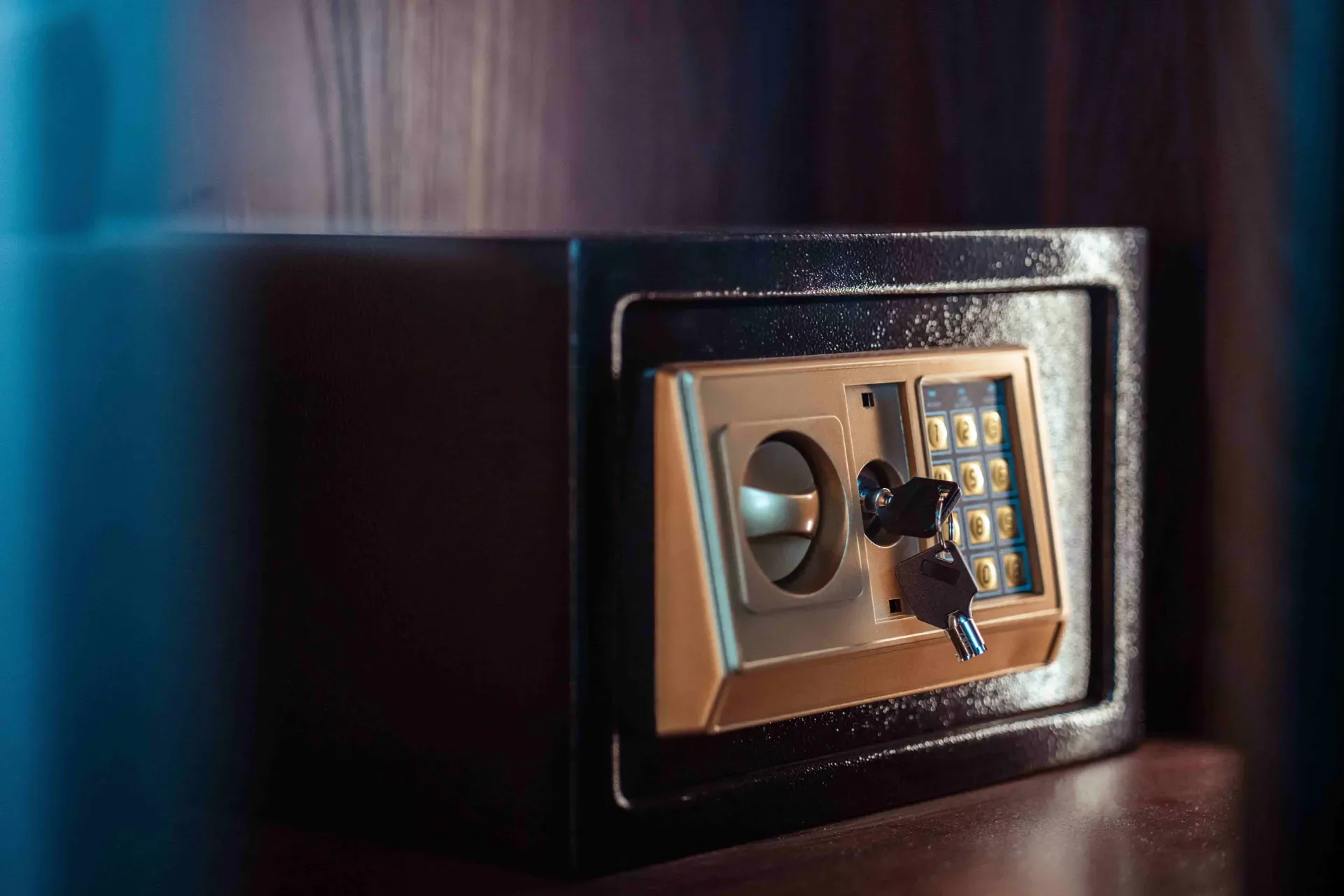
Common safe locking systems include:
- Key-operated locks
- Combination dial locks
- Electronic keypads
- Biometric locking systems
The opening method depends on the specific mechanism and the reason the safe is inaccessible. A professional will generally look for a way to regain access without unnecessarily damaging the safe.
If the lock itself has failed, however, a different approach may be needed. Having a locksmith assess the situation first can help prevent unnecessary damage caused by trial-and-error attempts.
When Might You Need a Locksmith to Open a Safe?
There are several reasons a safe may become inaccessible. One of the most common is simply forgetting the combination. If you no longer have the correct code, repeatedly trying different combinations may not solve the problem and could trigger a lockout feature on some electronic models.
A lost or damaged key can create a similar problem for a key-operated safe. Even if the key was misplaced, the safe itself may still be perfectly functional.
Electronic safes can also stop responding because of a dead battery, keypad problem, or other electrical issue. In some cases, replacing the battery may resolve the issue, but if the lock continues to malfunction, a locksmith’s assistance is necessary.
How Does a Locksmith Open a Safe?
There isn’t one method that works for every safe. A locksmith first considers the safe’s construction, locking mechanism, and condition before deciding how to proceed.
Depending on the situation, the locksmith may troubleshoot the lock, address an electronic issue, or use specialized professional techniques to manipulate the locking mechanism. The goal is generally to restore access while causing as little damage as possible.
For certain situations, a locksmith may need to use more invasive methods. Drilling, for example, may sometimes be necessary when the lock has failed, and other options aren’t practical. However, this is not necessarily the first choice.
The specific technique also depends on the safe’s security features. High-security models can require specialized knowledge and equipment. Rather than attempting to describe or perform these procedures yourself, it’s safer to have a qualified locksmith evaluate the safe.
Will Opening a Safe Damage It?
Opening a safe does not automatically mean that the safe will be damaged. Depending on the problem, a locksmith may be able to restore access without causing significant damage to the safe or its locking mechanism.
However, the condition of the lock and the design of the safe can affect the outcome. If the locking mechanism is severely damaged or cannot be accessed, some damage may be unavoidable and may require a new safe installation.
A locksmith can explain the available options before beginning the work. Once the safe has been opened, the lock may also be repaired or replaced if the underlying problem can be addressed.
Why Hire a Locksmith Instead of Trying to Open the Safe Yourself?
Trying to force a safe open can create more problems than it solves. Using the wrong tools or applying excessive force can damage the lock, door, or internal components. You could also make professional opening and repair more difficult.
A locksmith has the tools and experience to identify the type of locking mechanism and determine an appropriate solution. This can be particularly important when dealing with a heavy-duty or high-security safe.
Professional assistance can also help protect the contents inside. Instead of taking unnecessary risks with valuable belongings or important documents, you can have the problem assessed before deciding how to proceed.
When Should You Call a Locksmith for Safe Services?
Consider calling a locksmith when you have lost the key, forgotten the combination, or cannot get an electronic lock to respond. Professional help may also be appropriate when the safe’s locking mechanism appears damaged, or you have acquired a safe without the necessary access information.
If you are unsure what is preventing the safe from opening, avoid experimenting with the lock. An assessment can help determine the problem and the safest available solution.
Get Professional Help With a Safe Lockout
A locked safe can leave you stuck when you need access to what’s inside. Instead of forcing the lock or risking damage, let a professional assess the problem and determine the right way to handle it. Driscoll’s Lock & Key, a local locksmith in New York, provides safe-opening and locksmith services to help you regain access when a key, combination, or lock isn’t working as it should.
Reach out to our team through our form or call (845) 735-9111.
Frequently Asked Questions
Can a locksmith open a locked safe?
Yes. A qualified locksmith may be able to open a locked safe, depending on its locking mechanism and condition.
Can a locksmith open a safe without the combination?
In some cases, yes. A locksmith can assess the safe and determine what professional options are available.
Can a locksmith make a new safe key?
For certain key-operated safes, a locksmith may be able to create or replace a key, depending on the lock.
Can a locksmith repair a safe after opening it?
Depending on the issue, a locksmith may be able to repair or replace the safe’s locking mechanism after gaining access.